


Exisle Publishing
May 2023
9781922539427
RRP: $34.99
…:A resource for parents, teachers and dyslexics themselves
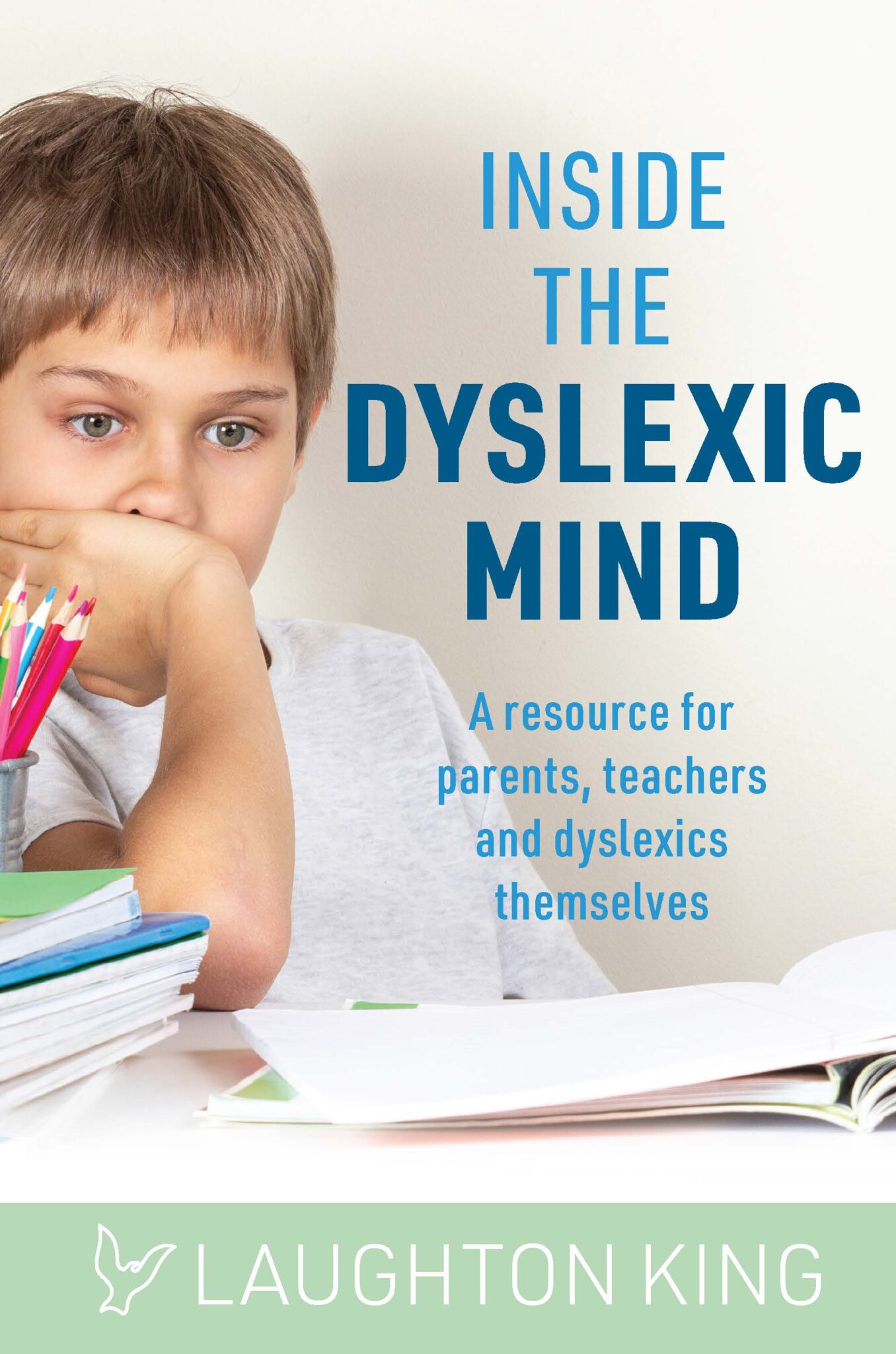
After majoring in language and literacy, and teaching for 30 years I could say I know a little about dyslexia. And certainly, I have gained insight after hearing luminaries such as Jackie French speak of their own struggle with this disability, and frankly, for some time, I wondered if this was part of The Kid’s difficulties with language and reading, and did a little cursory research. But in no sense, would I consider myself to be knowledgeable about this learning impairment.
Yet, 1 in 10 people are dyslexic with severity ranging from mild to severe. So this new book from retired psychologist Laughton King, himself a dyslexic, is like a primer for those of us who lack any real knowledge or insight into this condition.
Being able to present information to parents and educators in an accessible jargon-free format, based on not only his own professional studies and understanding but also his own lived experience, makes this a must-have for anyone seeking to improve their interaction and support of a dyslexic child or adult.
The table of contents gives you a terrific overview of exactly what is covered here, and you may be sure that there were particular sections which I read very closely e.g. observable characteristics (because I still think this is a possibility for K).
King’s exposition is both clear and easily digested and ably supported with diagrams and case studies, and even with text laid out in a dyslexic friendly format. His analogy of the petrol/diesel engine is one which will be quoted for years to come I believe. “They [dyslexics/diesel engines] run perfectly if you give them the right fuel, but if you put petrol in their tank (i.e., expect them to learn like a ‘normal’ child in our current education system) they will soon break down.”
From happy and curious child to disruptive schoolboy and angry teenager to well-regarded authority, King has provided an excellent resource whether for home or classroom. I would urge you to put this on your professional reading list.
Contents
Preface
Chapter One: Introduction
The inside story: a portrait of a dyslexic Demystifying and legitimizing
A life ‘out of step’ . . .
Understanding our ‘target group’
Towards understanding the bigger picture Learning or knowledge?
The social environment — and being politically incorrect
Chapter Two: The nature of dyslexia
What is it like to be dyslexic?
Hiding in plain sight: case presentations
Chapter Three: Defining dyslexia
Defining dyslexia
Dyslexic . . . or not? Do I need to get my child tested? Observable characteristics of dyslexia
Naming and labelling
Chapter Four: Where does dyslexia originate? Where does dyslexia come from?
The diesel/petrol analogy
So, what is a ‘diesel’?
What is a self-proclaimed ‘diesel thinker’?
Chapter Five: A confusing issue
Why is it so hard to get useful information about dyslexia?
Is dyslexia a product of our educational style?
Chapter Six: Labels, definitions and myths Labels
Definitions
Common myths about dyslexia
ADD and ADHD
Chapter Seven: Benefits of dyslexia
Are there any benefits from being dyslexic?
Some advantages
Chapter Eight: Verbal language
The language of the dyslexic person
Mastery
Style
Pictorial thinking
Speech impediments
Vocabulary
Chapter Nine: Family and home
Frustration
Depression
Parenting the dyslexic child
Pictorial thinking — how it plays out in our parenting Concepts of time
Consistency, predictability and emotional security Empowerment and disempowerment Empowering the child
Chapter Ten: Classroom issues
Indicators of pictorial thinking
Which helping programme shall I use? Disengagement
Teaching truths
Responses to avoid
Teacher style in the classroom
Learning style
Chapter Eleven: Other members of the
‘dys’ community
Dyscalculia
Dyspraxia and dysgraphia
The Last Word
The Last, Last Word
Appendix: Interventions
References and further reading
Index
 Just So Stories
Leave a comment