


Allen & Unwin
July 2023
ISBN: 9781760526931
Publisher: A&U Children’s
Imprint: A & U Children
RRP: $19.99
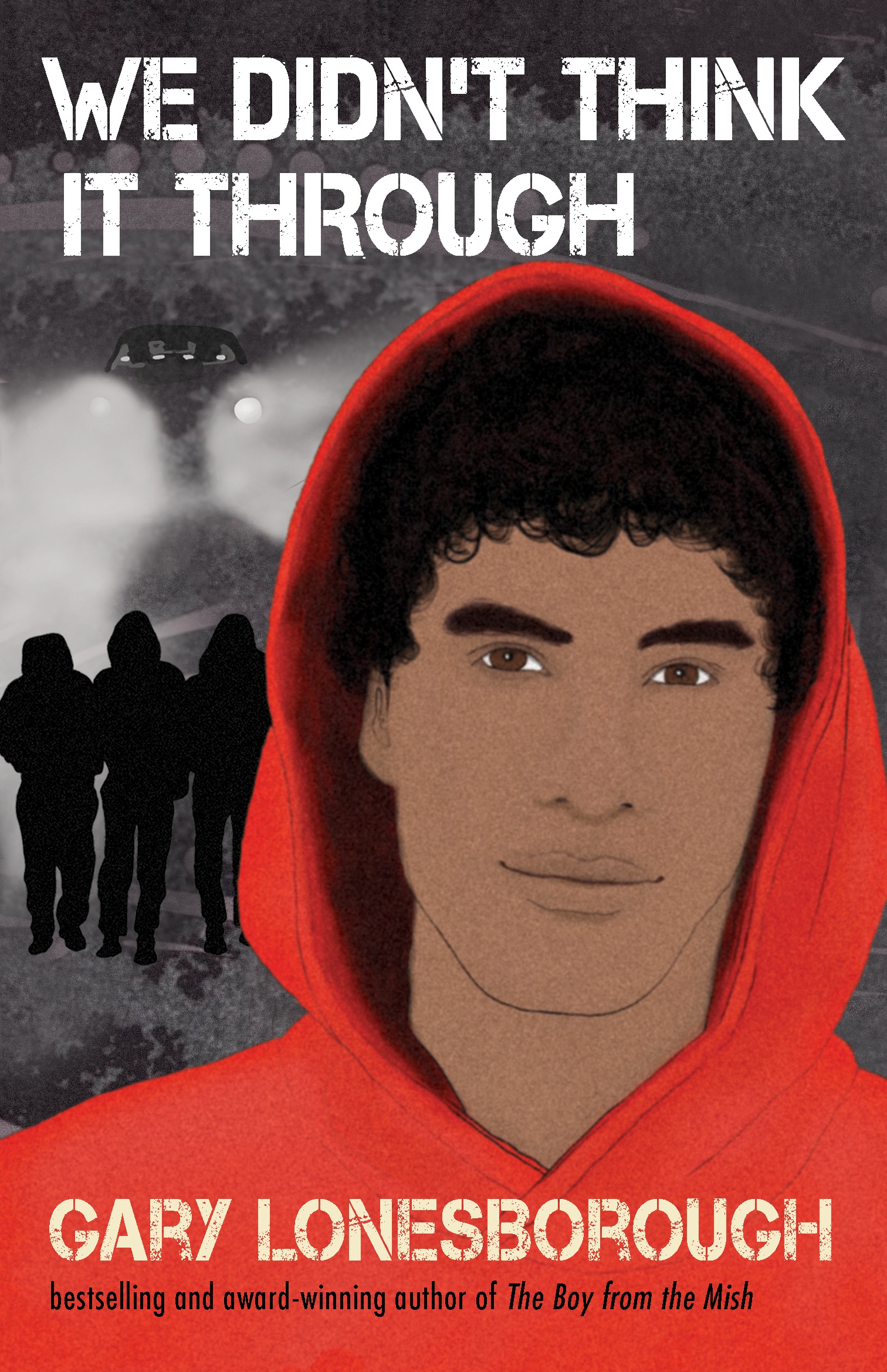
We are all aware of the rise in youth crime – one would have to living in a hermit’s cave not to know about it. And most of us are aware that in some areas, the problem is out of control. And it would be fair to say that there are numbers of First Australian youth offenders amongst these stats.
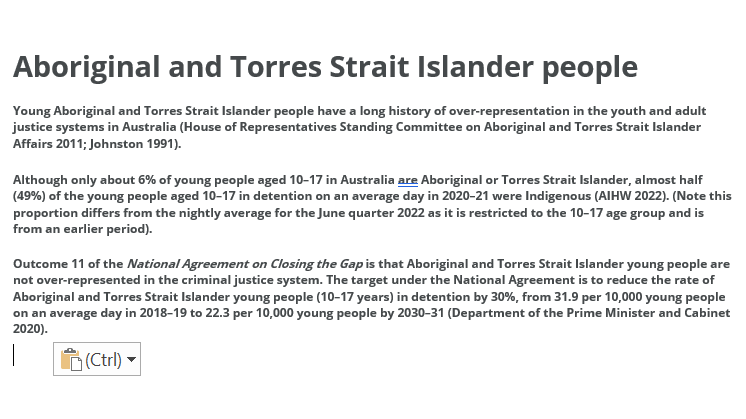
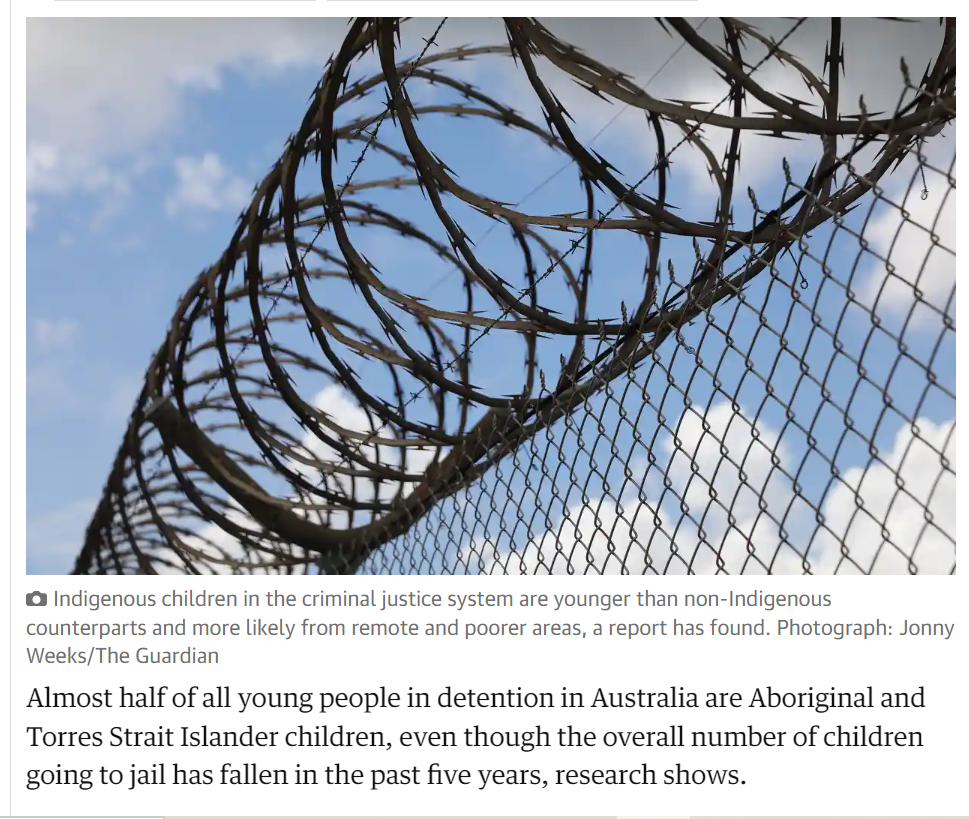
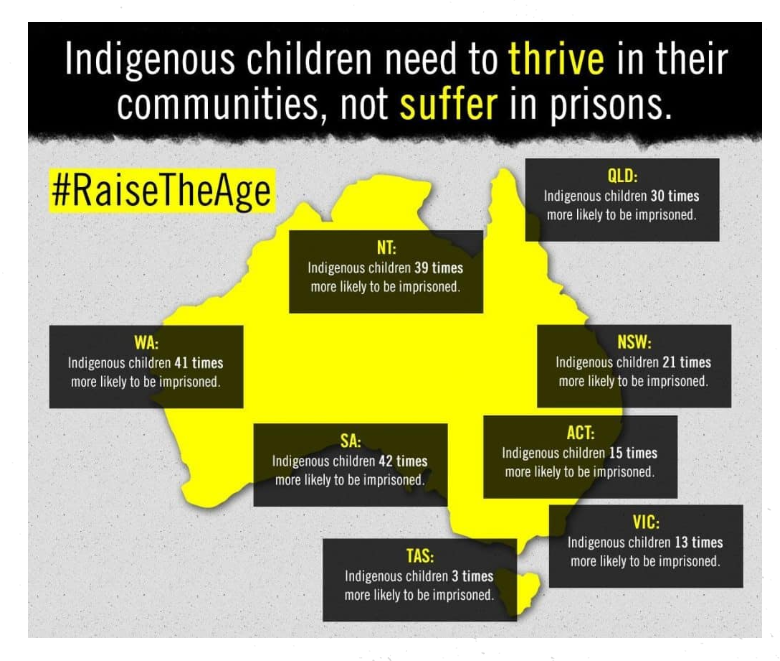
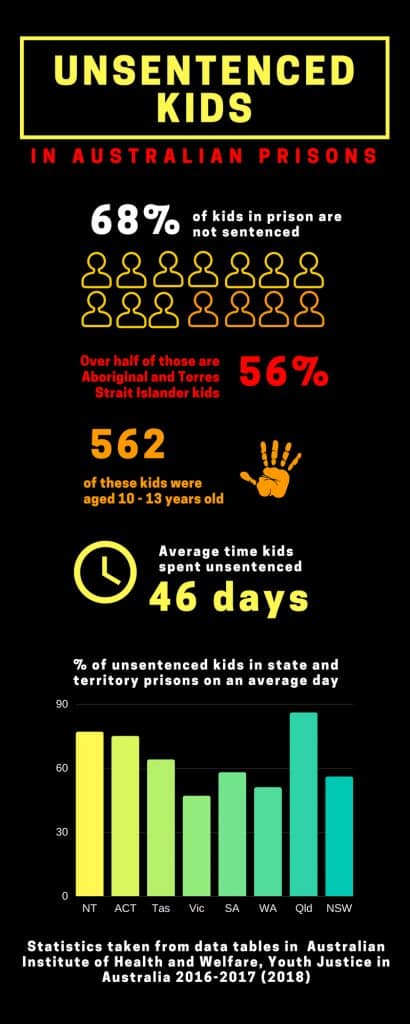
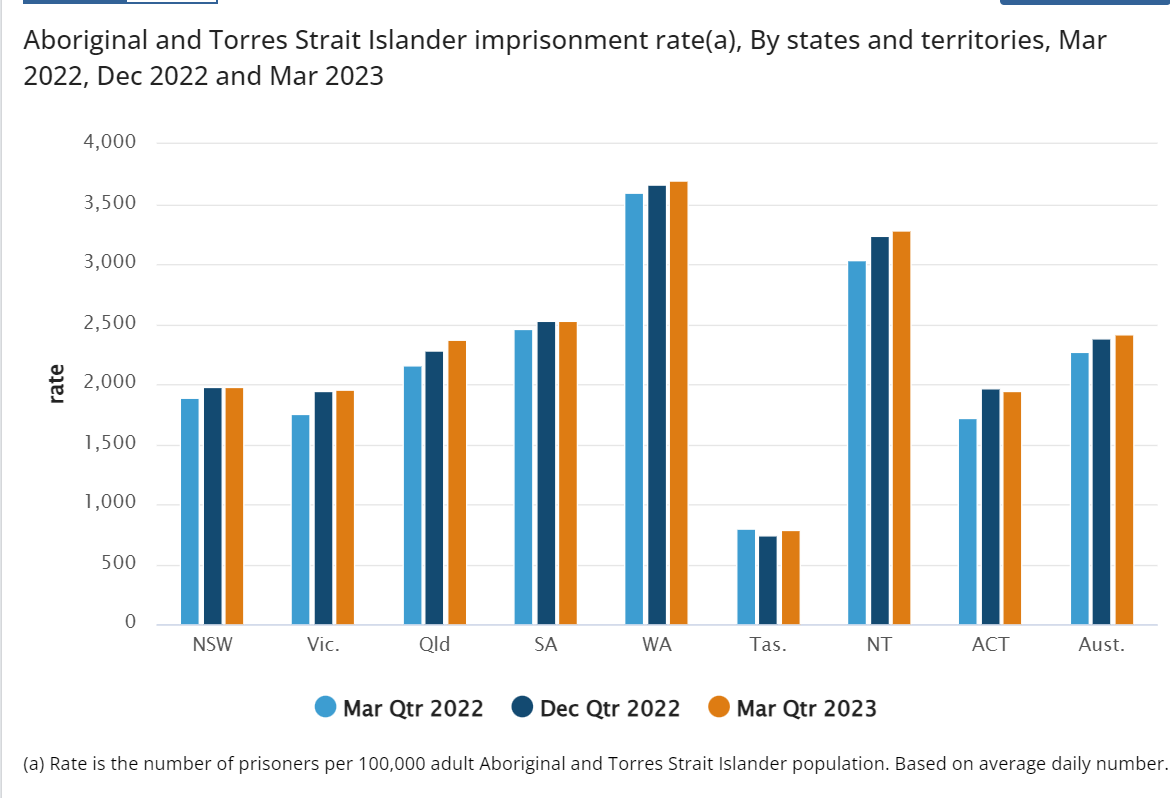
What is disturbing – and has been for quite some time now – is the over-representation of First Nations youth (and by that, I don’t just mean teens but children as young as ten) who are currently in detention.
Overall, there is a lot of press about the fact of these incidents and offenders, and politicians pontificating about their thoughts yet I, for one, am yet to hear some solid and potentially useful strategies to get at the root cause of the upswing and tackle it from the ground up, so to speak.
Definitely, I am yet to hear much, if anything, about redressing the statistics regarding Aboriginal and Torres Strait Islander youth being incarcerated.


Gary has employed his experience in working with Aboriginal boys in youth justice centres and crafted a bildungsroman narrative that is powerful, telling and often emotional. Central character Jamie lives in a small town and like most teens, hangs with mates.
He’s lived with his aunt and uncle since he and older brother, Trey, were removed from their parents years before. Jamie is clever, being especially gifted with creative writing, but shies away from drawing attention to the fact. He used to love his footy but the constant racist bullying from the white boys – the Footy Heads – drove him away. Not that the harassment stopped. It is both repeated and constant but also systemically ignored or overlooked by those who are mean to protect.
After another such vicious incident, and full of grog and weed, Jamie, and his mate Lenny, follow their mutual friend Dally’s lead in a plan to vandalise the new car of their most constant antagonist. But when they discover the keys to Mark’s car are still in the ignition, Dally decides it would be the perfect revenge to take the car for a spin and then dump it. A bad plan all round, and one that goes terribly wrong with all three boys ending up in detention.
Jamie’s incarceration is the focal point of the narrative, and while it is, in many ways, an unjust result for him, it is also through this experience that he grows in self-realisation, takes the measure of his actions and attitudes, finds his own voice and enables him to begin to mend his personal relationships.
The intercession of a genuinely concerned Koori social worker, his big brother Trey and the constant, unwavering support of his aunt and uncle are bulwarks against Jamie’s potential slippery slope to a future filled with repeated such episodes. Jamie’s story is one of real hope, but the sad truth is that not all First Nations kids, will experience or meet with the same care and support. Backgrounds of trauma, poverty, neglect, health issues, drugs, alcohol and lack of opportunities are hallmarks of many, if not most, of young offenders’ histories.
Those of us in education see this over and over again. For First Nations kids add in systemic racism, abuse, inter-generational trauma and denied advantages. We know our country’s history of the treatment of First Nations peoples is a shameful disgrace, and while we have made real inroads into redressing this past, we still have so very far to travel. For as long as I’ve been teaching, sharing the wealth, beauty and wisdom of First Nations culture has been habitually woven into my curriculumn naturally as I have Wiradjuri kids and grandkids. Sadly this is not the case in every setting, yet it is, in my opinion, only through the concerted efforts of educators that we can make real changes for a true reconciliation.
This is a compelling read and one which kept me fully engrossed and invested in Jamie’s outcome. It would make for a fantastic shared novel experience for your secondary students. There is, as you might imagine, some liberal use of swearing, mentions of drug use and drinking, and some sexual references but it would still be entirely suitable for Year 9 upwards as a class novel.
I highly recommend it to you for your readers from around 14 upwards. Read an excerpt here.
Indigenous youth incarceration: Ending the injustice
Juvenile Justice
The juvenile justice system is mimicking the separation policies of the past (Western Aboriginal Legal Service (Broken Hill) submission 775).
The most distressing aspect about the level of juvenile justice intrusion in the lives of young Aboriginal and Torres Strait Islander people is the fact that entry into the system is usually the start of a long career of incarceration for many (SNAICC submission 309 page 28).
Bringing Them Home, 1997
Juvenile detention
Aboriginal youth are overrepresented in jails. Detention statistics make experts talk about a “state crisis”. High detention rates have many causes. Being at the wrong place at the wrong time is sometimes enough.
Source: Juvenile detention – Creative Spirits, retrieved from https://www.creativespirits.info/aboriginalculture/law/juvenile-detention
Australia’s Aboriginal children detained at the world’s highest rates
Excluding Indigenous youth from schools may severely increase their risk of incarceration


Q&A with Gary Lonesborough
Hi Gary, thank you so much for taking some time to share with readers a little about yourself and your work – and welcome to Just So Stories.
Your first novel The Boy from the Mish burst onto the Australian (and international) YA scene with acclaim that resounded all around the country. What prompted you to write Jackson’s story and how much of your own story is woven into the narrative?
Jackson’s is a story of self-acceptance and self-love and it was very much inspired by my own journey through my late teens to early twenties. I very much wanted to articulate how I felt along that journey of accepting who I was and Jackson was very much a vehicle for me to explore that growth and change. He is the character I wish I had read about when I was a seventeen year old closeted Aboriginal kid growing up in a small country town.
Your new novel We Didn’t Think it Through is just as powerful, emotional and provocative. I know you have worked in the youth justice system so am I right in assuming you used your personal knowledge in this novel?
Yes. Similarly, Jamie’s story in We Didn’t Think It Through is very much inspired by a combination of real experiences and real people. I have previously worked in a role that required me to visit Aboriginal boys who were incarcerated in juvenile justice centres and the character of Jamie is inspired by a few boys I had worked with individually over the course of a couple years.
The new book has a lot of direct and indirect criticism of the system particularly in relation to First Nations youth offenders. Can you elaborate on your thoughts and opinions around this?
The first thing I noticed when I began visiting juvies was how many Indigenous youth were actually incarcerated. The environment I witnessed was a restrictive, regimented institution. The messaging this kind of environment gives to young people is that they are to be treated as hardened, dangerous criminals. I had noticed a number of recurring themes in my interactions with the boys: A lot of them came from disadvantage, a lot of them were living in out of home care having been removed from their parents at a young age, a lot of them had struggled with school engagement, and a lot had learning delays and both diagnosed and undiagnosed intellectual disabilities. More prevalent were the mental health concerns. There were a few youth officers I had met who had built great relationships with the boys and were positive people for them, as well as services that were going in and trying to make a difference. But ultimately, the support first begins when they arrive at lock up, and ends when they leave. Simply, there needs to be better preventative support, and support that can follow a young person through the whole journey, not just at different stages. A lot of people expect change to happen overnight, that a scare tactic is best, but anyone who works or has worked with youth knows that positive change is a long game. Connection to culture is the most important thing that needs to begin in these places, not punishment.
There is a huge amount of media focus on youth crime and I think it’s understandable that some people are very unhappy or even frightened in areas where it is the most prevalent. What solutions do you think need to be put in place?
I think this is the kind of question that our elders should be guiding us on. There needs to be more value placed on the guidance of elders and the healing power of connection to culture in addressing these issues with our youth. My own opinion on this is that better preventative support from culturally appropriate services needs to be put in place, and these supports need to be able to support young people through their whole journey, not just in crisis situations. These supports have to be culturally appropriate and appropriately funded.
Leaving aside your writing, tell us a little about young Gary growing up on the beautiful NSW south coast. (probably my most favourite part of the country- my dad’s family hailed from Eden/Bega/Tathra and all around that area). What was little Gary like? Family, friends, school and play…
Were you a reader yourself as a youngster? If so, what or who were your favourites?
I was an occasional reader as a child. My favourites were the Goosebumps books, anything by Andy Griffiths and the Captain Underpants books.
When did you feel you wanted to write and how did you go about getting into it?
I’m not 100% sure when I first began to want to write, but I remember as a 6 or 7 year old cutting pieces of A4 paper in half and stapling them together to make little books. I think a big instigator was a halloween story I wrote in the third grade that made everyone laugh. I just continued to write when I could, took any assignment or assessment as an opportunity to write a story. When I grew older, I began my own research into story structure and character development and whatnot. My sixth grade teacher told me I would become a writer, so I always believed I would.
This is my standard question for creators – what does your writing workspace look like – messy, tidy, colourful, bland etc – {photos always appreciated!} and what is your process for writing?
I used to just write in my bedroom, and wrote Boy from the Mish and We Didn’t Think It Through in my old bedroom, which was a small, hot, cramped room with a bed, desk, wardrobe and TV. Nowadays, I have a writing room, with a bookshelf and a reading chair as well as my desk and computer. As hard as I try, I can’t stop it from being messy and chaotic. I do have a few paintings on the wall and a warm lamp. I’ve recently gotten into the habit of placing sticky notes on the wall behind my monitor. It’s a little chaotic but it is the best writing space I’ve had!
What do you do when you’re not working? What are your interests or hobbies?
I work a day job as a youth mentor, so that takes most of my week, but I do love watching rugby league, going for walks and trying to regularly go to the gym. I love to read and love movies as well. It’s also important for me to find time to do things with my partner and with my friends.
To finish off, what advice would you offer young people, particularly First Nations kids, to navigate today’s society, issues and bigger world problems?
That is a big question. My advice would be to embrace your culture. By embracing our culture, connecting with our elders, our families, our friends, building that supportive network, we can build our resilience. I’m amazed by the resilience of young people.
Gary, thanks so much for sharing with my readers. I am sure that the new book is going to be just as huge a success as the first but good luck with the launch! I know I, for one, look forward to more of your work.

 Just So Stories
Leave a comment