


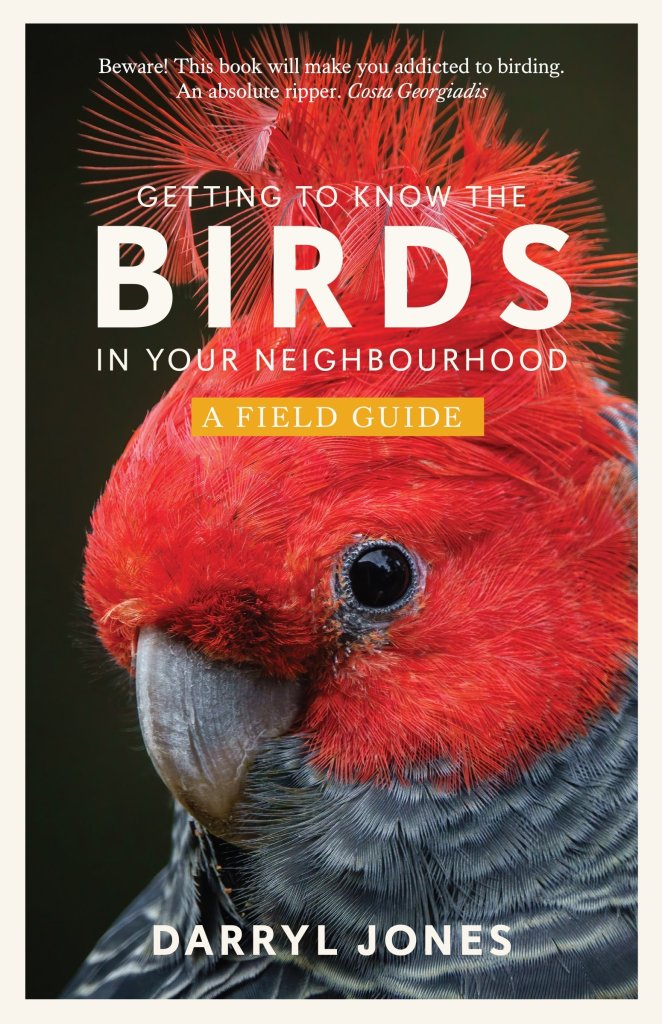
UNSW Press/New South
9781742238050 / November 2023 / Paperback / 240pp / RRP $34.99

I’ve always loved ‘spotting’ birds and in many of the places I’ve lived, I’ve kept a kind of bird diary of those I’ve seen as often there were more unusual, or less often sighted, species such as the the few times I’ve seen spoonbills (Glasshouse Mountains and Hervey Bay), or the time a young white-faced heron walked casually through my open patio doors and investigated my kitchen (Hervey Bay), or the emus stalking around paddocks (Blue Mountains}, or my favourite nesting blue wrens (Kingaroy).
In my first year of teaching, 30 years ago, there was an invitation to the public to keep a record of birds seen (the Courier-Mail perhaps? and I assume now, the forerunner of the annual Bird Count). My Year 5 class at Nanango SS took up the challenge with great enthusiasm, some of the kids on farms, others in town but all very willing to become amateur twitchers. Since that time and once the annual Bird Count began, I’ve taken part every year, as much as possible, but even without that, still love to spot something besides the ubiquitous noisy miners and crows that hang around our backyard.
Luckily, we do live in a nice place, close to the ocean and with decent parkland and some bushy areas, so we do tend to get at least some variety. The problem is always knowing which bird you are looking at, and that’s where this absolutely cracking field guide comes in.
Author Darryl Jones relates exactly the experience so many of us have had. That of starting out keenly to discover bird life, clutching a field guide, only to be bewildered by the seemingly endless variations just within one species.
To remedy this, he has narrowed down his information to our 20 most populated cities, and just 139 species, and provided all of us amateur birders with a much more manageable guidebook.
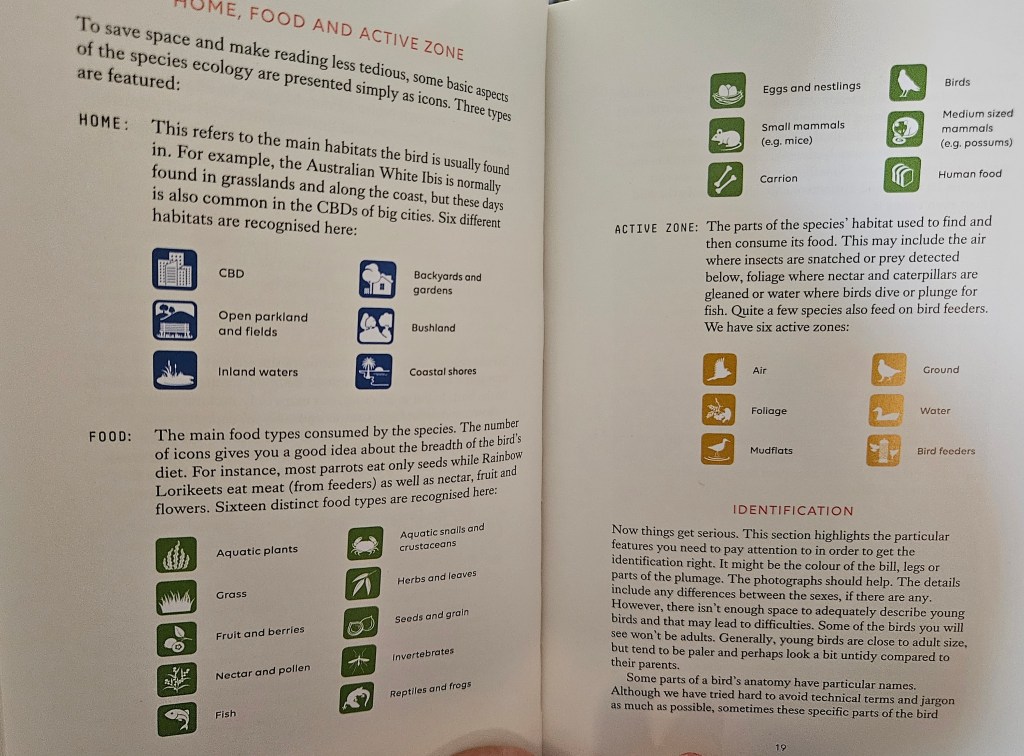
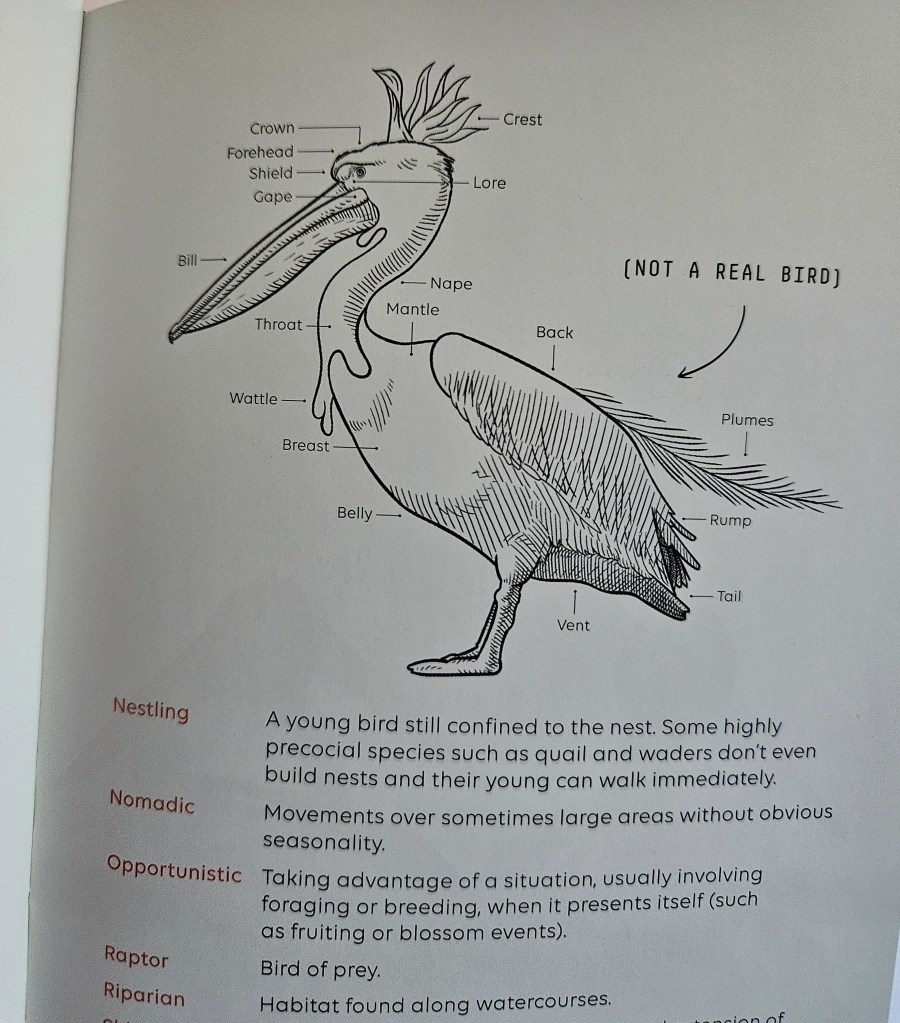
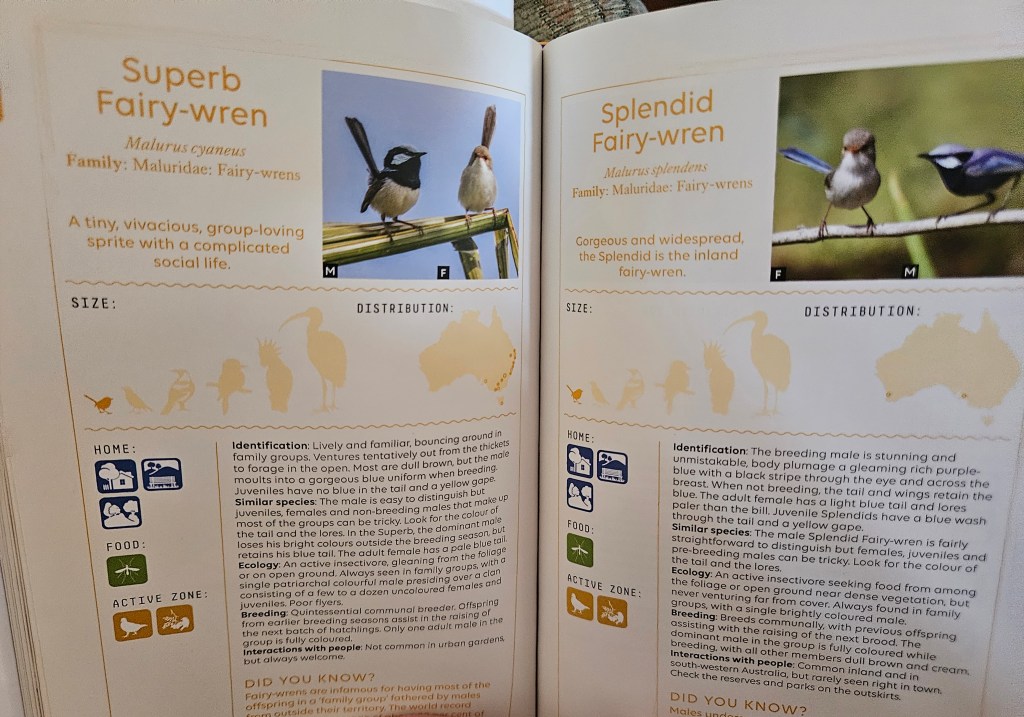
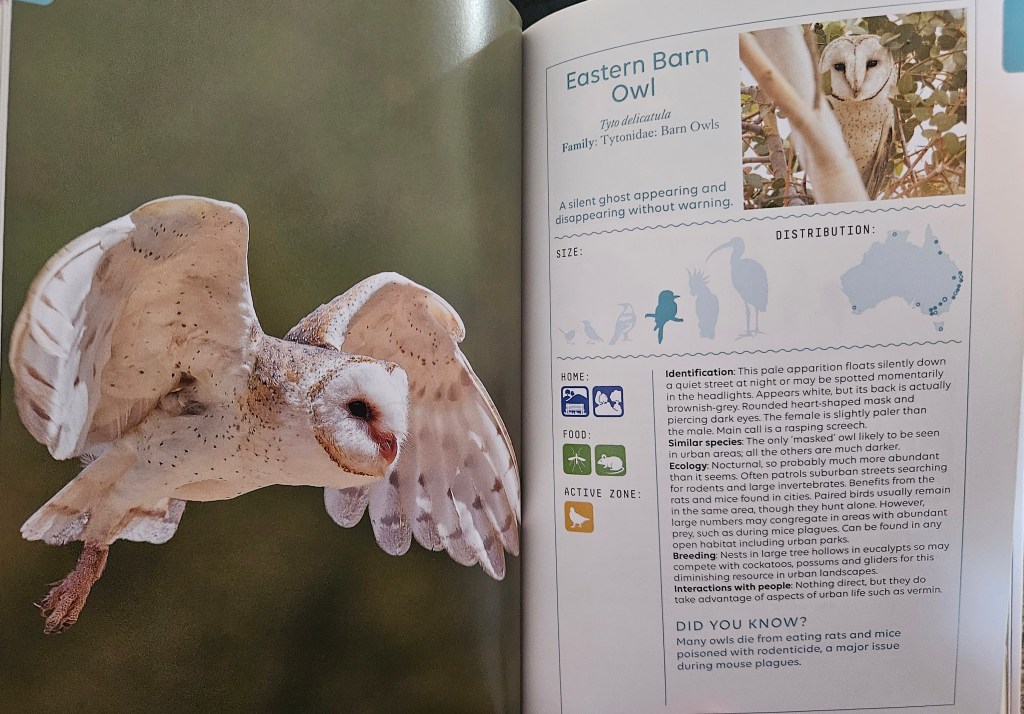
He continues his introduction of this format with some very useful information around such topics as binoculars, a glossary and how to use the guide. I particularly appreciate the very clear table of icons used for each bird, to aid us and the anatomical diagram of ‘not a real bird’ made me laugh aloud,with its caption.
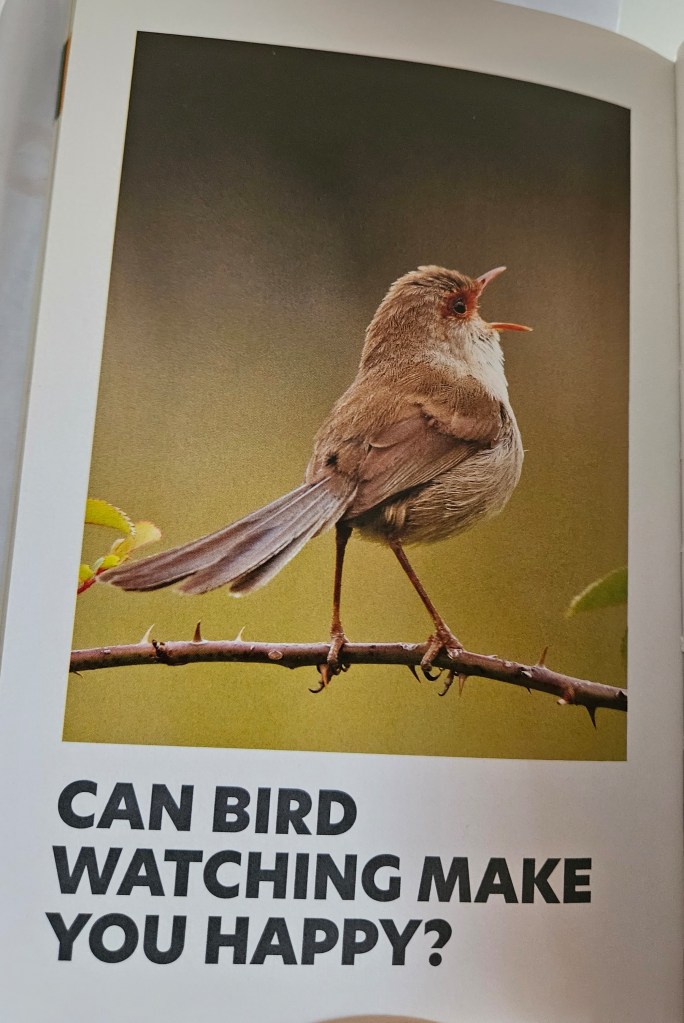
The book concludes with discussion around encouraging bird life to our backyards, feeding wild birds, the issues facing our natural environment and, the question of “Can bird watching make you happy?”. The few pages on that topic make for very interesting and well-researched reading, but the short answer, which I already knew, is – YES!
As this year’s Aussie Bird Count concludes, as I write this review, perhaps this book – as well as another I will be reviewing in the next week or so – might prompt you, your readers, your family or your neighbourhood to pick up some binoculars and start observing our beautiful abundance of feathered friends.
Highly recommended as an addition to your personal shelves, or to your library collections for readers of all ages.
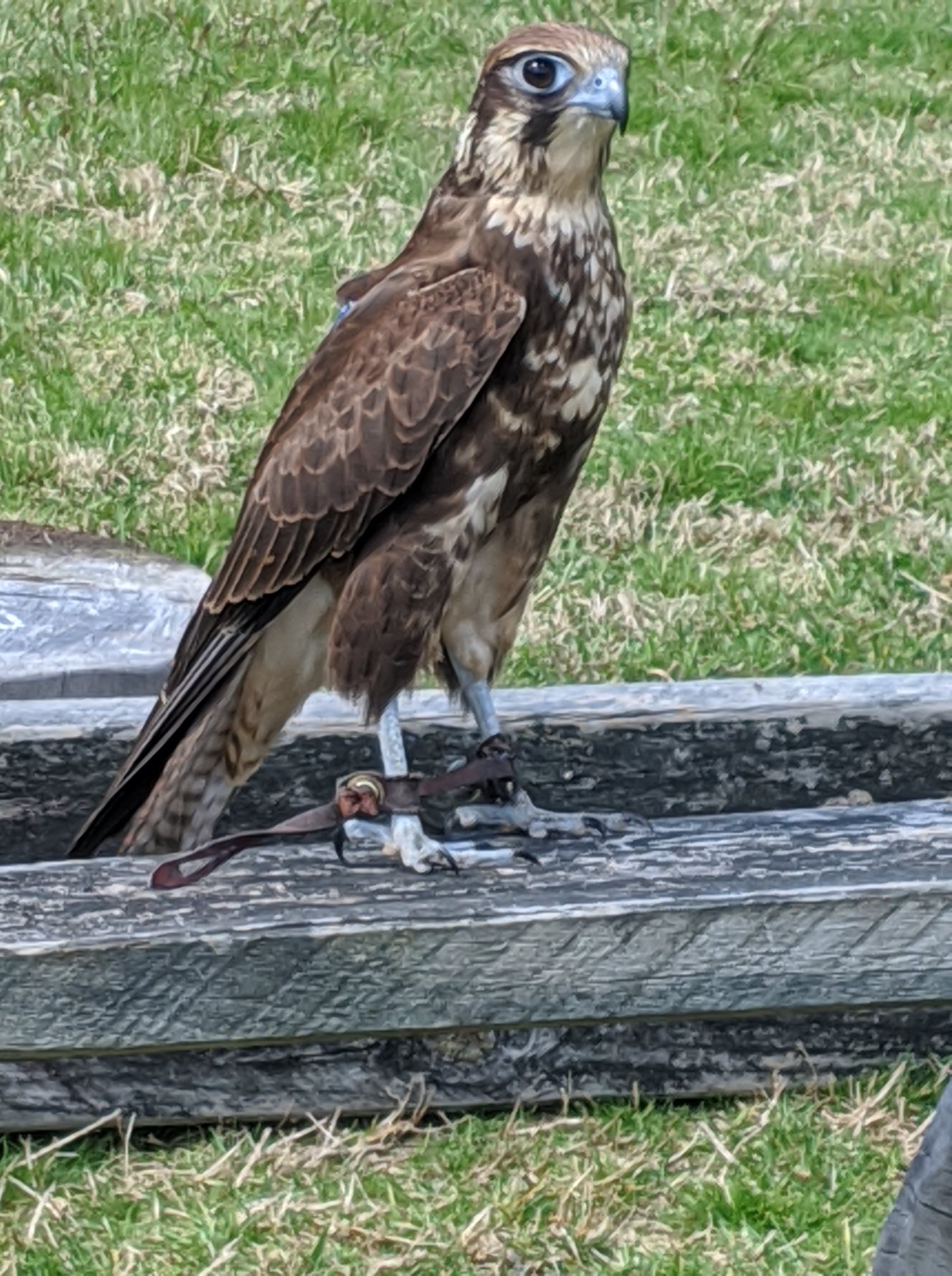
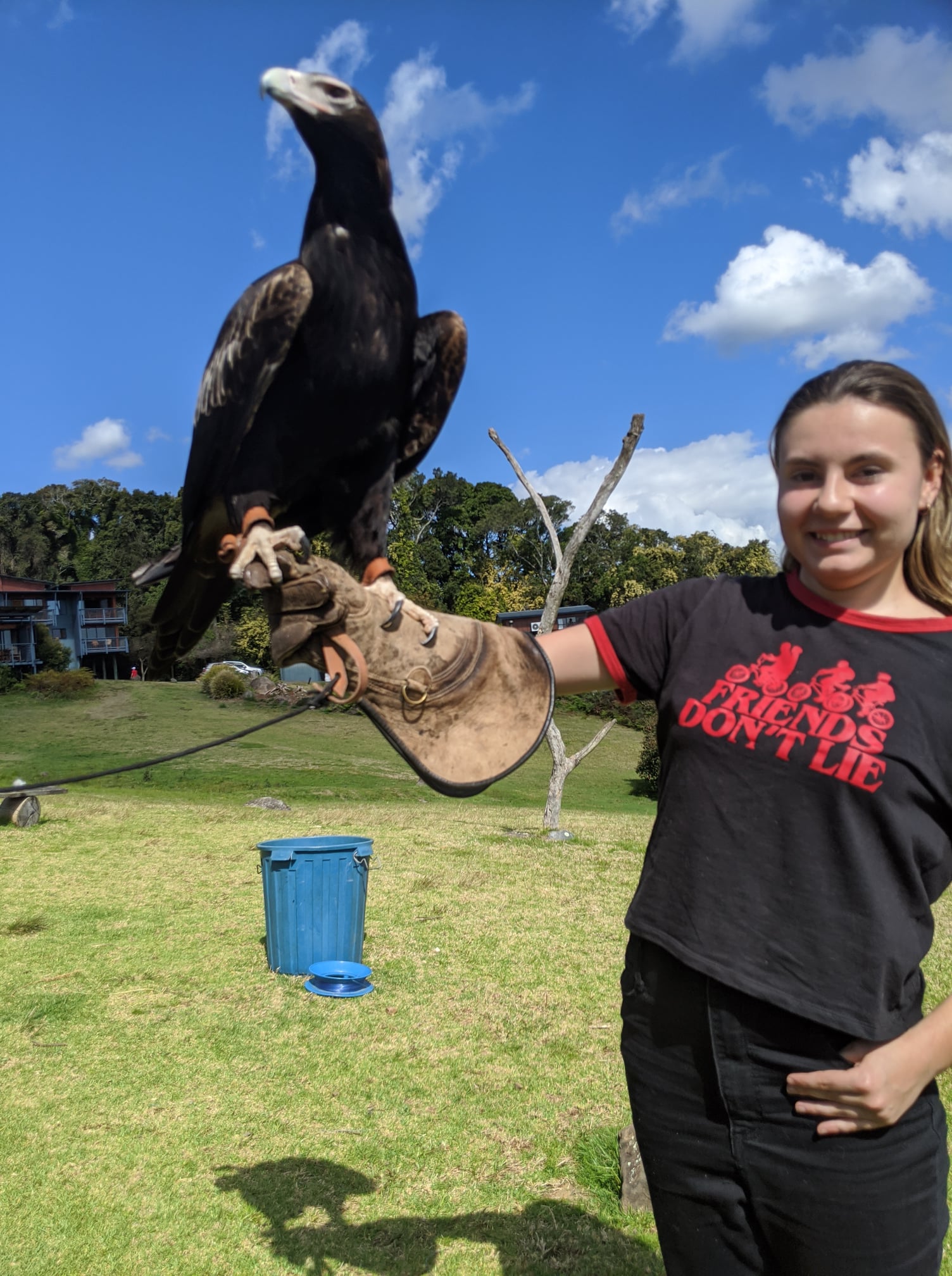
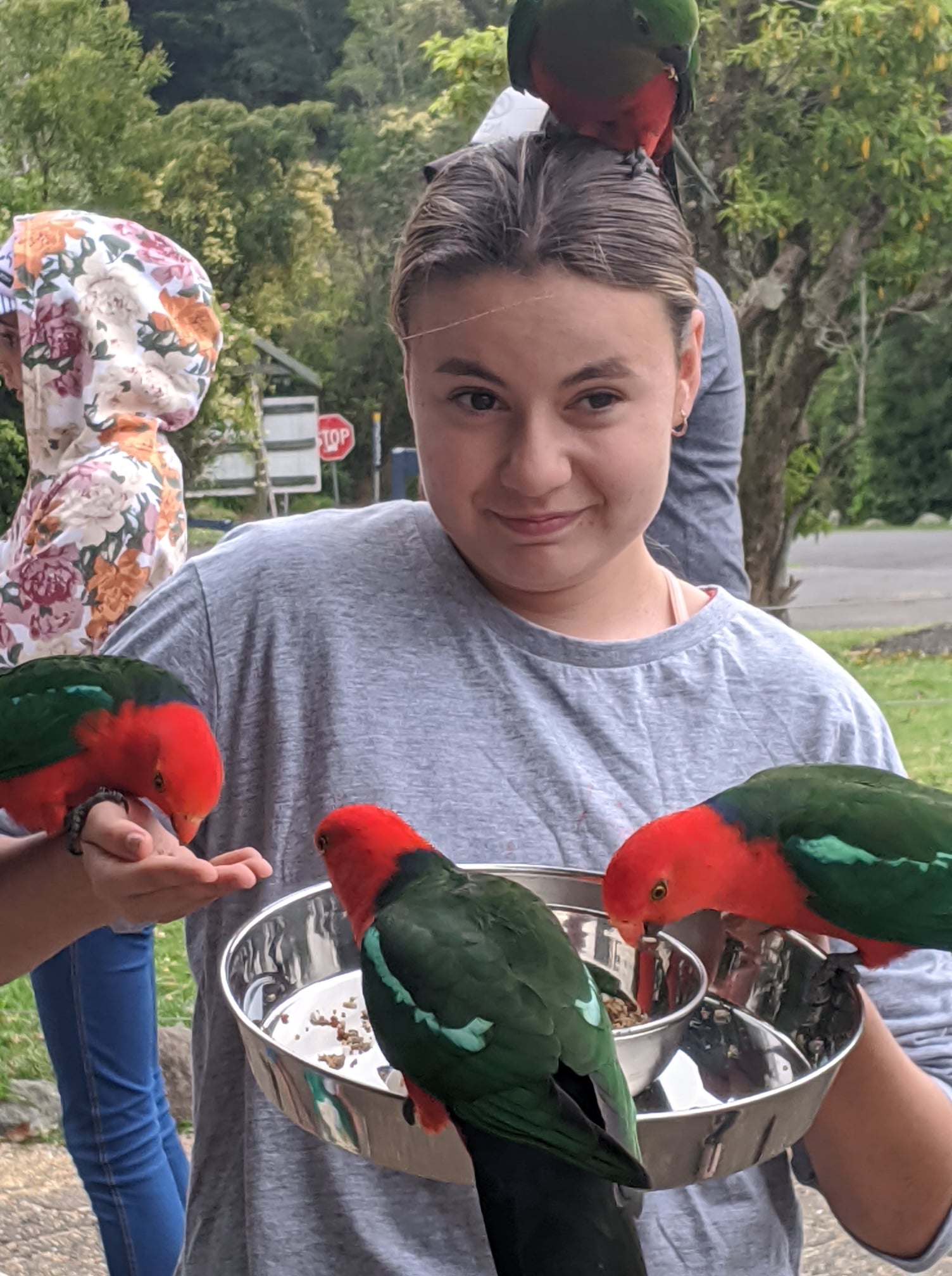
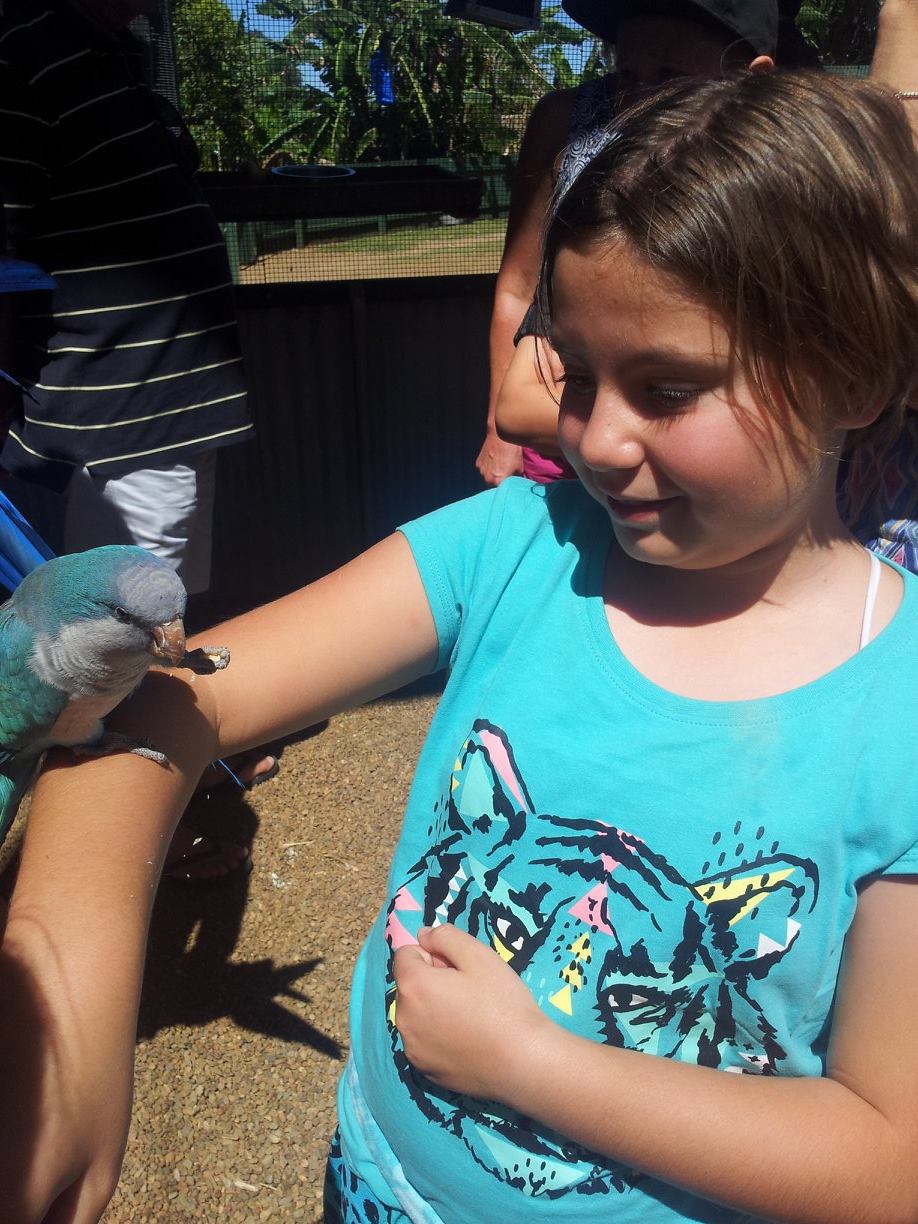
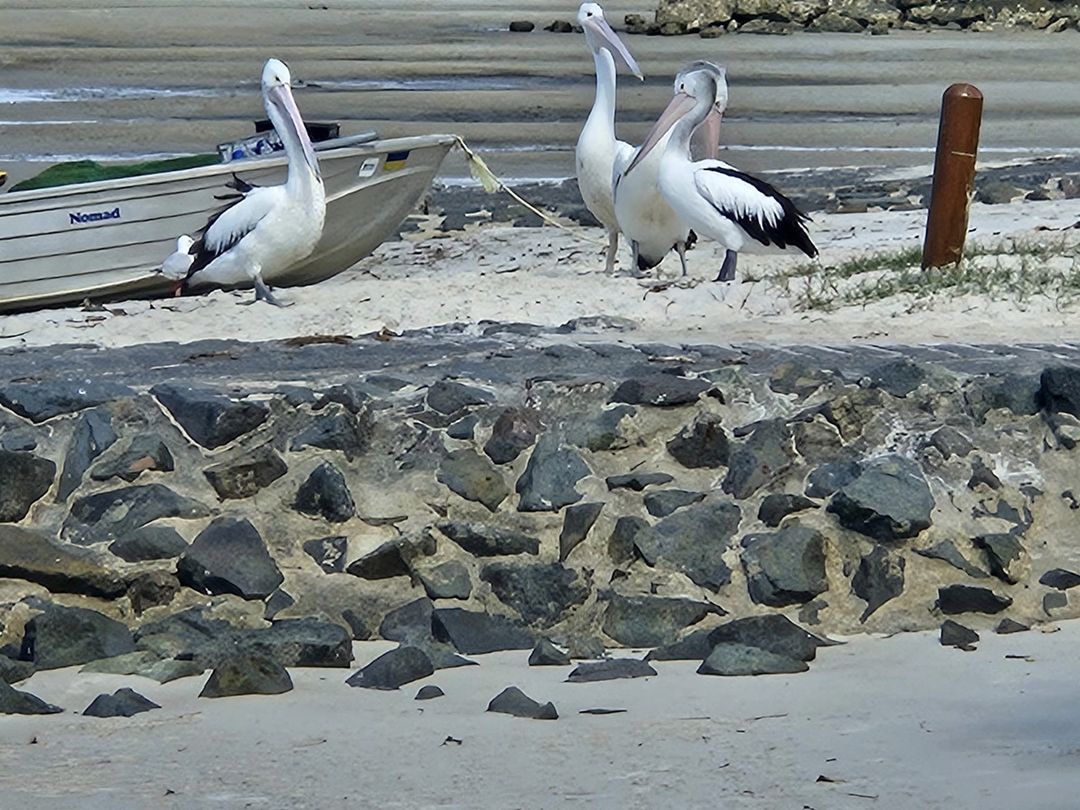
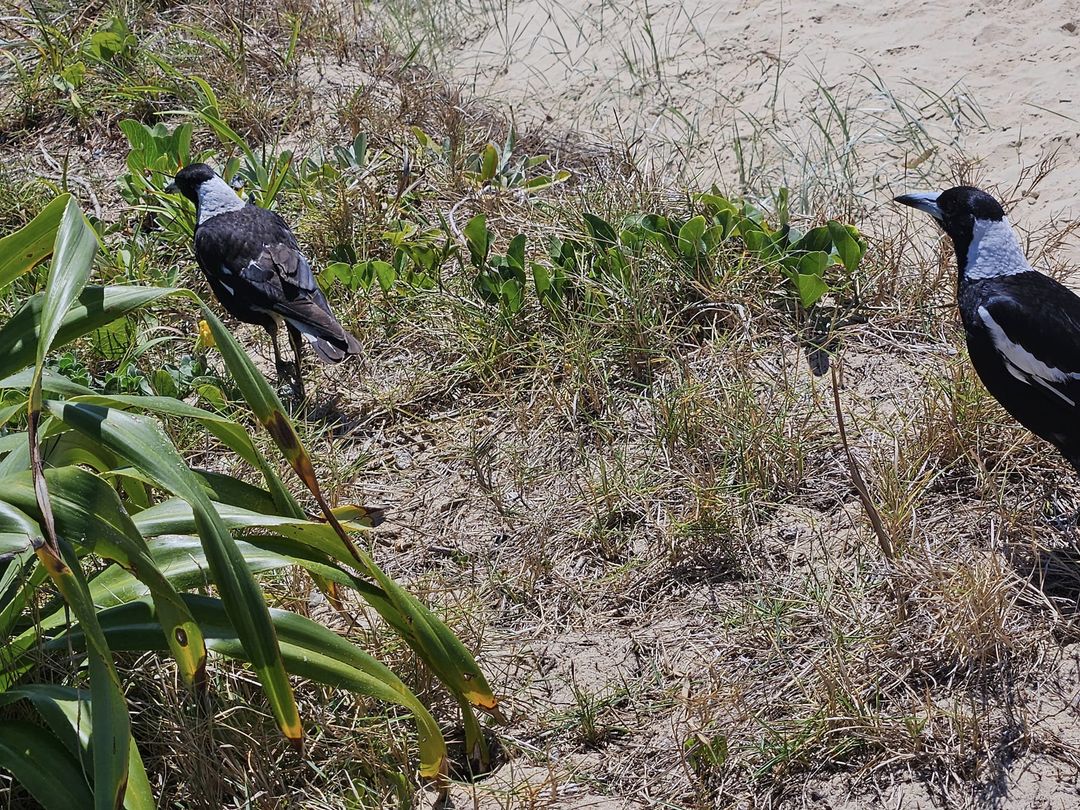
A few of our feathery adventures…

Take a peek inside the book…

 Just So Stories
Leave a comment