


New South Publishing
Princeton University Press
9780691219158 / 1 May 2024 AUD$59.99, NZD$69.99

I have long had a fascination with Ancient Rome and the Romans (completely aside from any Monty Python references!) and this has been an ongoing read for the past month, as I dip in and out of what may very well be not only the world’s first pandemic (with an impact as wide-ranging and disastrous as Covid in our times) but the true reason for the downfall of the greatest empire in history.
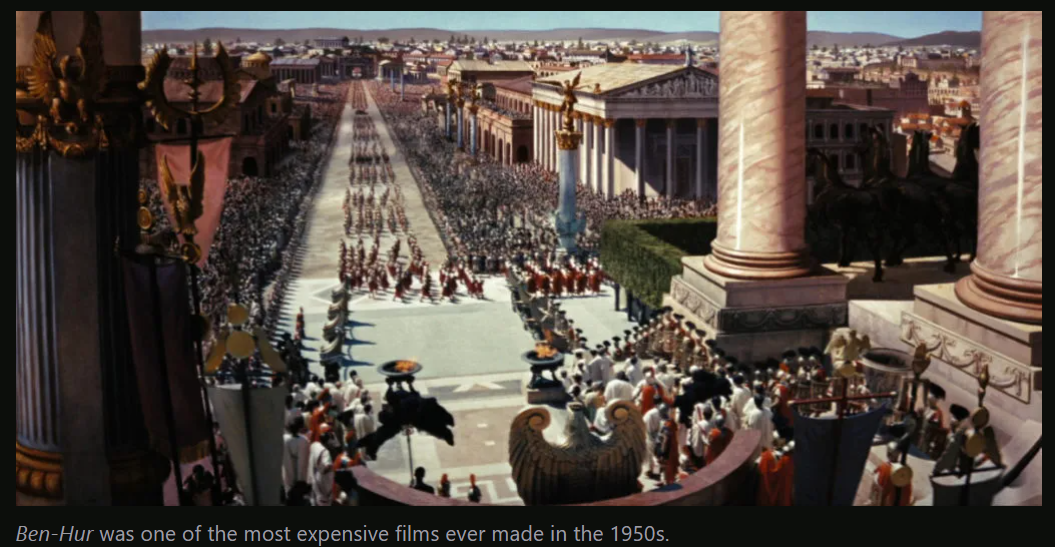
Leaving the actual intention of the book aside from a moment, one of the most absorbing aspects of Colin Elliott’s book is the insight into daily life in the world of the Romans, and the often-glossed over realities of this. We are so accustomed to seeing Rome depicted in Hollywood-style with grand architecture, lavish feasts, pristine white togas, imperial purple cloaks, market stalls laden with foods of all kinds and wide paved roads, that we don’t consider the true circumstances of the poor physical health of most, cockroaches en masse, the public baths that were used not just for bathing but for prostitutes conducting their most intimate trade in the warm and foetid water which teemed with invisible parasites such as roundworm, the decaying carcasses of animals in the street as well as, very often, abandoned newborns, and on it goes. It’s a far cry from the scenes in Quo Vadis and The Robe [‘the splendour that was Rome’] and dozens of other ‘swords and sandals’ movies.
Written accounts of the period including the arrival of Antonine plague, as it is now known, are scarce but Elliott has combed through evidence within such as census records and real estate contracts, used his wide knowledge of economic history and looked at paleo-climatic influences to contend that the empire of that period – mid-second century AD – with Marcus Aurelius reigning over the enormous spread of Roman territories from Britain to Spain, from Egypt to Germanica was actually already fragile, despite all appearances to the contrary.
Citing the overpopulation (Rome had seen more immigration and movement of peoples than at any other point), the appalling sanitary conditions and poverty along with malnourishment, serious diseases plus the never-ending external conflicts and internal civil unrest, and combining this with the research into catastrophic natural disasters such as floods and famines, Elliott concludes that the fall of the empire which was already unsteady was completely toppled by the arrival of a ‘plague’ that completely decimated the legions and the cities as it spread without restraint throughout the entire Roman territory.
The very nature of the Roman structure – garrisons returning from far afield, migration and movement of many peoples and active trade with other countries was fertile ground for contagion to effectively plummet an already unwieldy and insecure administration and domain down to its doom. Although its origin and exact nature remains unclear and historians can only conjecture, it serves perhaps as an informative lesson for modern times, along with the chaos of Covid, to better prepare ourselves for any future pandemics.
Most unusually, I’m writing this before I have completely finished the book (about 3/4 of the way through it) because I have been taking my time with it, and interspersing with the never-ending kids lit books/reviews, but I want to savour it. I want to read and then re-read a chapter to ensure I have got every nuance. It’s that sort of book. But I also want to share my thoughts with you because I think you will want this one. If you have an interest in history or in Rome itself, I would urge you to get hold of it. It’s a thorough examination of the period and the social framework but is written with an admirable conciseness and clarity, that makes for accessibility by those of us who are mere amateurs when it comes to ancient history. It’s also quite lengthy so allow yourself some solid reading time.
I give it a huge 5 🏛️🏛️🏛️🏛️🏛️ rating and here’s a handy list of 30 movies that helped shape our views on Ancient Rome – and for some added fun this road map of Ancient Rome, subway-style, enjoy!


 Just So Stories
Leave a comment