


Bloomsbury
March 2024
| ISBN | 9781526666598 |
|---|---|
| Imprint | Bloomsbury YA |
RRP: $25.00
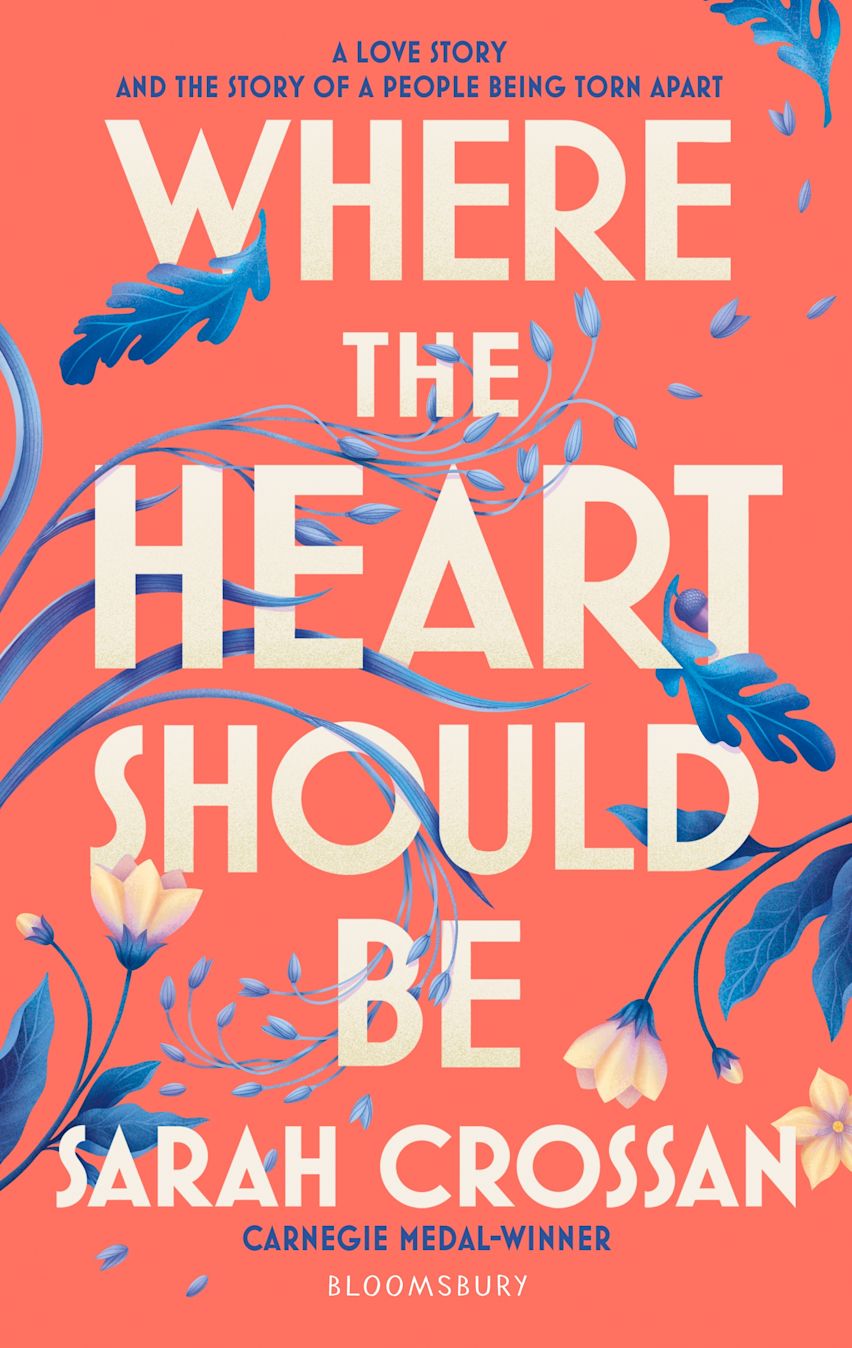
Carnegie Medal-winning, former Laureate na nÓg Sarah Crossan became one of my most favourite writers when I read my first of her titles, Toffee. That book made such an impression on me that I quickly sought out others and kept my eye out for them as new ones appeared.
It’s not just me. When I introduced her books to my ChocLit group, it created a tsunami of borrowing as each girl would finish one title and another girl would be impatiently waiting for her to hand it over.
She is one of the many fine Irish writers I’ve come to admire so much and the recent article shared below made so much sense to me, articulating what I have come to believe. The Irish are great storytellers and are able to write such powerful and transformative books.
Sarah does not always write verse novels but often does, and this is one of them. As I’ve said before, I’m not a huge fan of the genre but there are notable exceptions and, most definitely, Sarah’s work is one of those.
This book is particularly resonant of the author’s heritage and pride in her nationality as it delves back in time to the Great Hunger, the cruel oppression of the English, and the despair of the Irish people.
This is the moment in history which spurred the migration of so many Irish folk to other countries including our own. But rather than focus purely on the dreadful tragedy, Sarah has woven a fictional love story, that mirrors to some extent Romeo & Juliet, with Nell, daughter of a tenant farmer, working at the ‘big house’ for cruel English landlord, Sir Phillip, and the lord’s nephew, as unlike his uncle as possible, falling in love.
They face opposition from both sides and as the famine worsens, rebellion and violence escalates, threatening to obliterate both Nell’s family and friends but also the couple’s hopes for the future.
It is such a gripping story in all senses. I read it quickly over two nights and was never distracted. What a writer she is!
For those of us who know of the Great Hunger in its purely historical and textbook sense, to read this fictionalised account is to gain some true insight into the monstrous injustices meted out upon the Irish people. For this nation to remain resilient is a triumph in itself, and for the richness brought to other countries via those original immigrants, what a significant and valuable addition to our own national identity.
I highly recommend this to you for astute readers from around 12 years upwards.

Sarah Crossan introduces Where the Heart Should Be
‘We all read like hell!’ How Ireland became the world’s literary powerhouse
 Just So Stories
Leave a comment