


After reviewing the gorgeous animal book from Thames & Hudson yesterday, I thought I’d take you all back in time. Back to 2014, when T&H asked me if I would care to write a couple of pages of teaching notes for a book they were bringing out. Of course, I was very happy to do so.
But after some computer issues I didn’t have a copy of them! When I started reviewing for them again, I inquired if there was any chance they could send me a copy – and lo and behold! they found them!
The notes I write now are far more detailed but at that time, they only wanted a couple of pages and were quite specific about length and inclusions, because the actual book was of the activity kind – which was fair enough. But here they are – my first paid notes. I’ve already been busy this year and looking forward to more. By the way, it is a really fun book! And would make a great companion text to I Got This Hat by Kate & Jol Temple. Unsurprisingly, when that was the NSS book, I already had ideas for our activities!
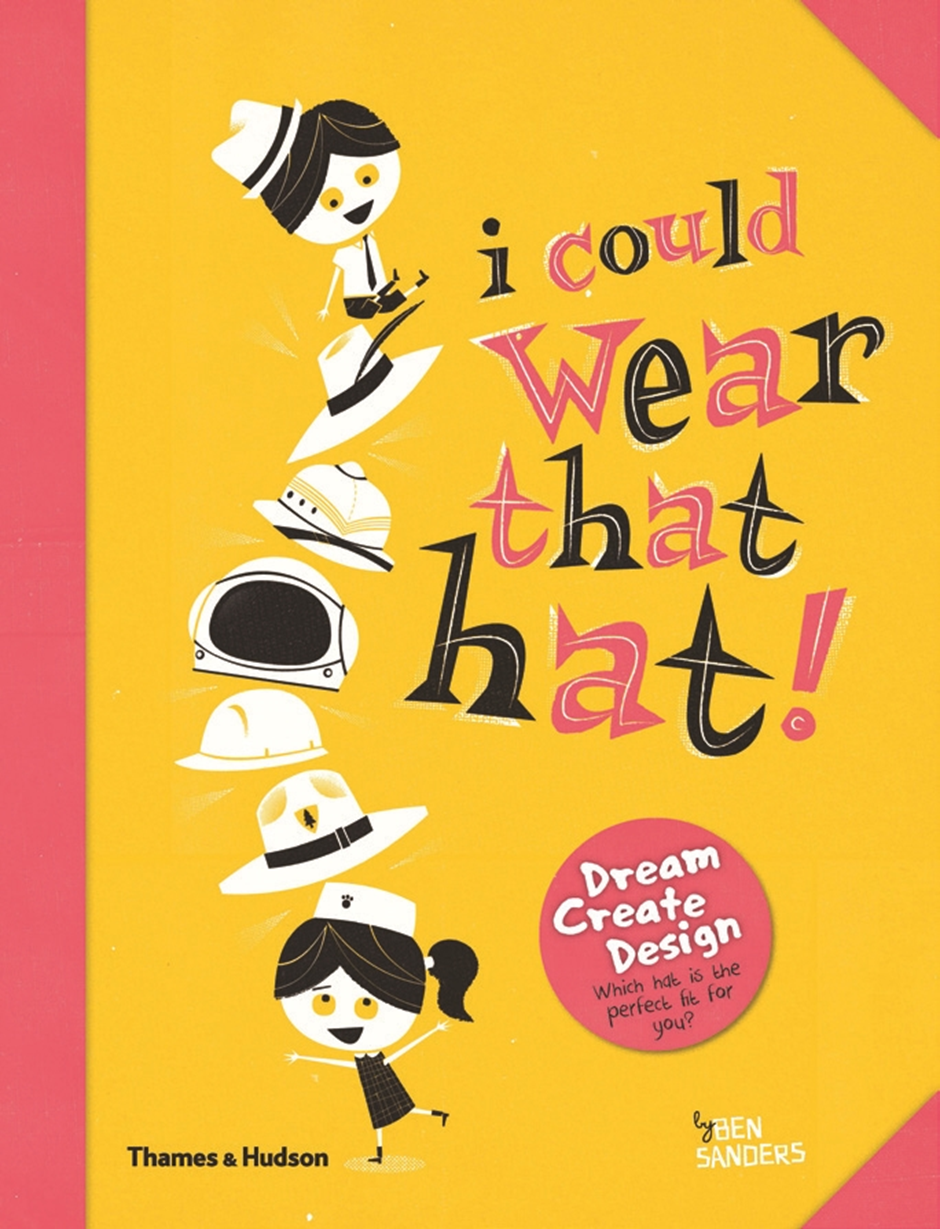
Précis: Teacher’s edition to accompany I Could Wear that Hat! exploring ten different professions to encourage students to think about what adults do all day. Activities are matched with fictional but factual interviews with the subjects. Occupations: astronaut, chef, fashion designer, park ranger, vet, architect, writer, archaeologist, doctor, lifesaver.
Main Ideas/Concepts/Themes: Imagination/Imaginative Thinking, Occupations, Growing Up, Curiosity
Pre-reading:
• Collect a variety of hats, which represent various jobs or activities, e.g. fire fighter’s helmet, police cap, army slouch hat, pilot’s cap, clown’s hat or a magician’s top hat. Ask students to choose a hat and name the occupation of its wearer.
• Ask students how many other hats are worn for particular reasons/activities they know e.g. school hat, cowboy hat, graduate’s mortarboard, baby’s bonnet. Create a visual record of this with a jointly constructed graphic organiser e.g. fishbone or concept map
• Create a list of occupations (ask students about adults they know or their parents)
Reading/Discussion points:
• Why do we wear hats? (protection, designating position/role, safety, fashion etc)
• For each occupation invite suggestions on the purpose of the wearer’s hat based on information given in each interview
• Could the person wear an alternative hat? If so, what would it be?
• Record main points about person’s occupation to be later transcribed to a chart or poster
• Note the format and pattern of interview questions
• Create a list of new vocabulary e.g. design, accessorise, identical
• Classify the occupations using terms students understand i.e. is this an occupation that helps/serves people? Is this an occupation which provides goods for people?
Post-reading Activities:
• Literacy: Jointly construct an interview following the same pattern for someone known to the students. The principal might be a good choice. Invite the guest to class to be interviewed. Record information and add to the chart or poster.
• Literacy: Students could write their own interviews for a parent or other adult friend. Share results with class when conducted.
• Maths: Hat sorting – soft hats/hard hats, fancy hats/plain hats, big hats/small hats etc
• Maths: Hats come in different sizes because heads do as well. Measure students’ heads and create a class graph to compare the results.
• Art activity: Create hats and have a hat parade. Perhaps everyone will be a fashion designer for this?
• Physical Activity/Cooperation/Thinking Skills:
Whose hat?
Equipment:
Small cards with pictures of hats
A mixing hat
Divide the players into teams.
One student from each team is chosen to be the player and then one team is chosen to start. At the signal, the chosen team’s player must pull a ‘hat’ from the mixing hat and without talking act out the occupation that matches the hat. If the team guesses, they score a point. If the player’s team can’t guess, and the other team can, the other team gains the point.
Musical Hats
Play as for musical chairs but with hats around in a circle. Have students walk around the circle and when music stops they sit down and put a hat on their head. Take away a hat in each round.
Kim’s Game
A long-standing memory game – put out a selection of hats (or hat pictures), secretly takes one away and have the player guess which one is missing.
Links to ACARA *note these have not been updated
Foundation
Listen to and respond orally to texts and to the communication of others in informal and structured classroom situations (ACELY1646)
Use comprehension strategies to understand and discuss texts listened to, viewed or read independently (ACELY1650)
Identify some differences between imaginative and informative texts (ACELY1648)
Year 1
Engage in conversations and discussions, using active listening behaviours, showing interest, and contributing ideas, information and questions (ACELY1656)
Use interaction skills including turn-taking, recognising the contributions of others, speaking clearly and using appropriate volume and pace(ACELY1788)
Make short presentations using some introduced text structures and language, for example opening statements (ACELY1657)
Year 2
Listen for specific purposes and information, including instructions, and extend students’ own and others’ ideas in discussions (ACELY1666)
Use interaction skills including initiating topics, making positive statements and voicing disagreement in an appropriate manner, speaking clearly and varying tone, volume and pace appropriately (ACELY1789)
 Just So Stories
Leave a comment