

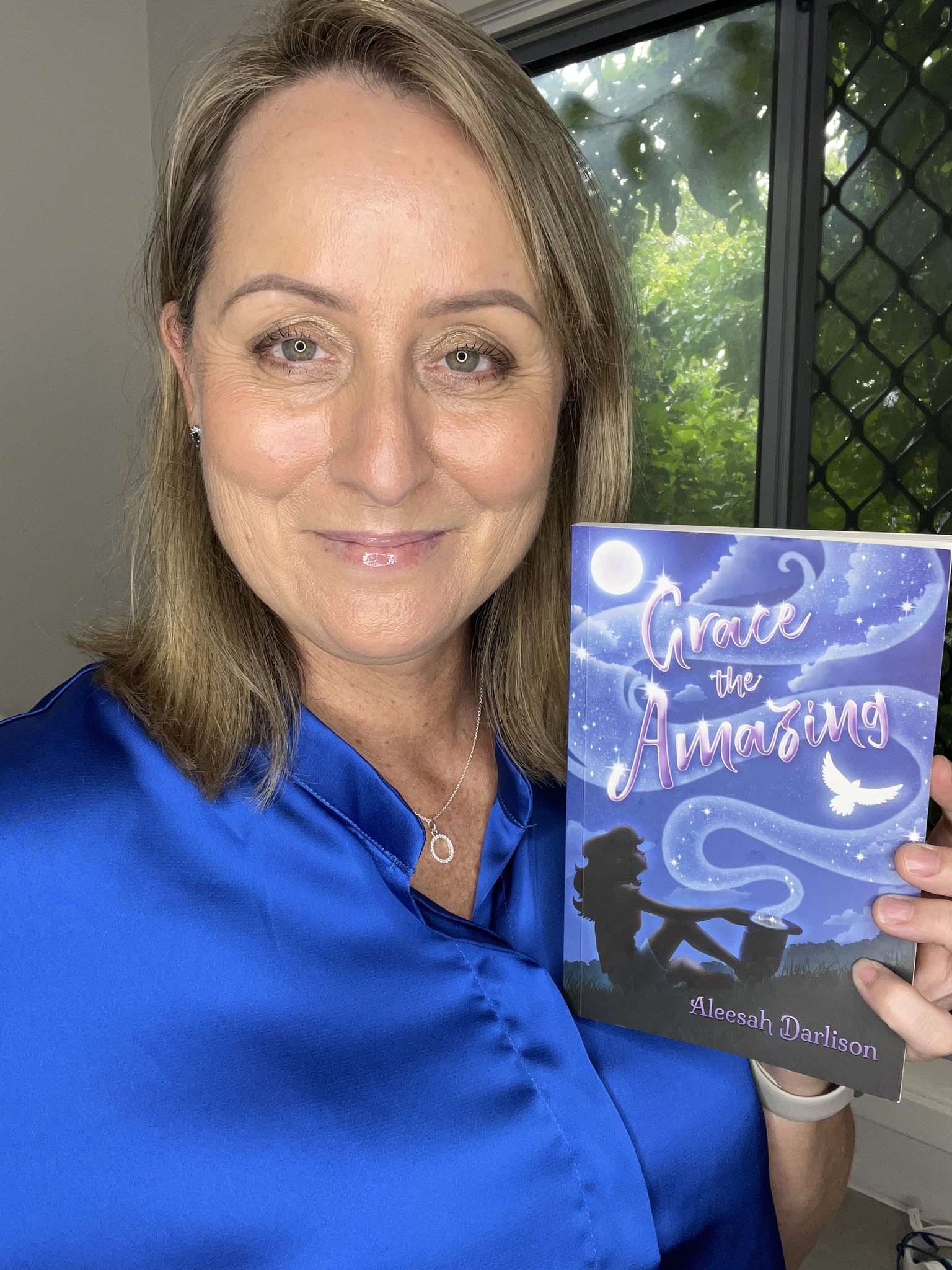
Wombat Books
May 2024
ISBN: 9781761111174
RRP: $14.99
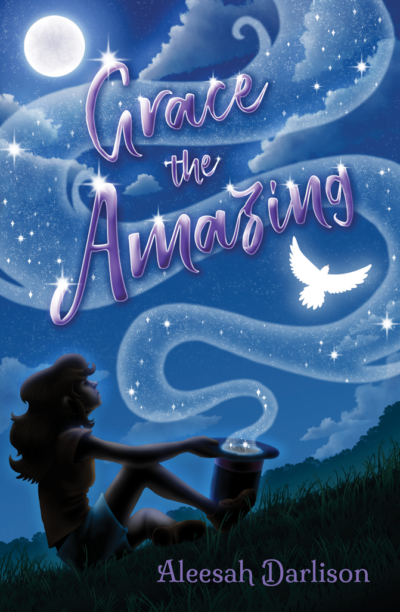
Eleven-year-old Grace is, in her imagination, Grace the Amazing – a skilled magican who dazzles with her wondrous feats of legerdemain.
Certainly that’s how she visualises herself but in reality, it’s more like Grace the Impetuous… Grace the Truculent… Grace the No-Filter… Grace the Friendless. She is, without doubt, not quite hitting the ‘amazing’ yet. Even her mum finds her difficult, especially with her Dad being FIFO so not around. Grace misses him terribly but that’s not the cause of her prickly personality. That’s just Grace.
She did have a friend when she was younger but a thought uttered without pause so offended, that the sometimes fragile thread of friendship was severed, seemingly irrevocably. Since then her best, in fact only, friend – the one who seems to understand her in all her outspoken, and sometimes odd thoughts and actions, has been her art teacher, Pamela.
We know that many children, and indeed adults, are soothed by creativity/art, but also feel more able to express themselves. This is a definite bond between Grace and her much-loved teacher. Many children also have ‘crushes’ on a teacher, and many as well feel a deep connection with a particular teacher.
For Grace, it is this fervour for Pamela that sustains her when she feels most friendless and despairing. She has missed Pamela, who has been away from school for some time, as much as she misses her dad and is longing for her to come back. But Pamela is not coming back.
The young woman who brings so much joy to Grace, has been gravely ill and is now in the terminal stages of cancer. Grace’s rocky path through this anguish and ensuing grief runs parallel to other lines in her life: her mother’s insistence that she begin sessions with Dr Granger (the Stranger) something that Grace resists, but then finds herself drawn into. Then there’s the new boy, fostered by a caring couple, whose acquaintance she makes whilst helping her mum with one of their routine animal petting parties. And, strangely, there’s Emma – the friend she thought she’d lost, who maybe isn’t completely out of reach.
But over-arching all other factors is Grace’s desperate desire to save Pamela. If only she can really do magic, and do it right she believes that it’s possible. But, as we know, and so do many readers, no matter how much we might want something to be so, there are some things over which we have no control. There is an inevitability about this that readers will grasp easily, and which will make them extend their genuine sympathy towards those affected.
For someone like The Kid, finding out her mum was not going to be cured and that she was going to die, was the most heartbreaking experience of both our lives. If only I did have a magic wand that would have saved my girl, but that’s not how life works.
And that’s a hard, hard thing for children to discover. For Grace, who loves Pamela with all her heart, it unleashes a torrent of emotions that threaten to completely engulf her. Readers will, I have no doubt, realise exactly how much pain Grace is in, and long to help her.
This book made a lot of memories re-surface for me. Obviously, number 1 was K losing her mum just two weeks before her 10th birthday so tragically. Then there was my eldest girl who 45 years ago started kinder and, like all those little ones with their first teacher, was completely besotted with the vibrant young graduate who took her class. This lovely young 22 year old was suddenly killed in a horrific car accident one afternoon after school. The entire community was in mourning but for those little peeps who had hung on her every word, it was a very difficult time.
It is also reminded me of some teachers who made a big impression on my younger self [although I could be rather contrary at school – I was so often bored, and we all know that spells trouble!]. You can see a mention of them in this cute educator interview Aleesah did with me recently – [thank you for your kind words, Aleesah. And it’s high time we did a Q&A – we’ve only done a guest blog and that was YEARS ago now!!]
It’s a strange phenomenon that there is often, quite independently, a trend in various genres. In just a matter of weeks, I have read a number of MG novels in which the protagonist is without friends (for whatever reason) and while it’s not something I’ve personally observed in my classes more than a handful of times in 30 years, there is no doubt that there will be kiddos in this predicament.
As I’ve referenced in my bibliotherapy conversations, I don’t know that such books should be directly [and pointedly] put into the hands of such children [unless of course they are actively seeking them] but I do think that sharing with children in a class serial reading session, or in reading circles both empowers the kiddos in these positions, and engages the empathy in others.
Back when I was a Brownie leader we had a program in Guiding called ‘Walk a Mile in Another Girl’s Shoes’ which was a highly successful disability awareness experience. In my first year of teaching I had a Year 5 class who were quite intolerant of differences of any kind, and, in particular, tended to ostracise one girl who was rather like Grace in some ways [some as a result of her medical issues, some just personality]. I adapted the program and ran with it the entire term, at the end of which all the kids in that class knew that each and every one of them had some aspect that could be a reason for others to exclude them. It was a great success in engendering a more compassionate attitude amongst some very narrowly [in all senses] raised country town children, without actually marking out any individual kids.
Now we use successful programs in our classrooms like The Zones of Regulation to help all our kids, but particularly those like Grace – who lacks both self-control and emotional regulation – to develop a more even-keeled and humanistic approach.
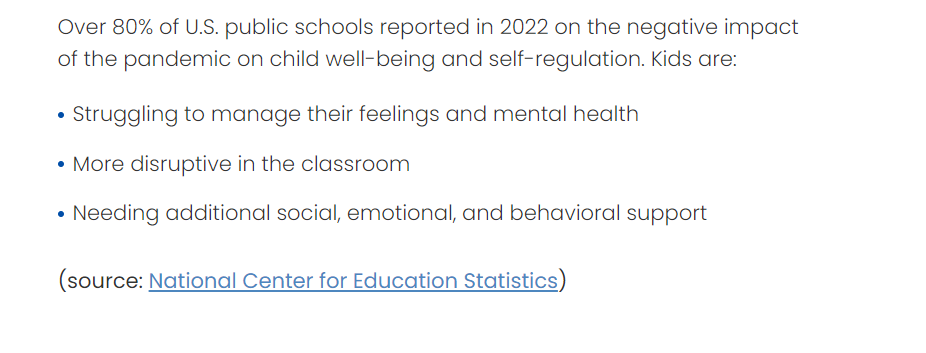
This is the point where creators and educators meet. Together we can do our very best to raise better humans. I have followed the creation of this book for months and know that Aleesah put much of her own life experience into it. Please stay posted for a Q&A in which we will delve into that. In the meantime, this is a great read for your kiddos from around Year 4 upwards, and definitely a very worthy contender for a shared serial read [particularly Year 4/5 before they get all snarky in the upper school IMO], and obviously as a valuable adjunct to your classroom in engaging emotional intelligence. In view of the scampering appearance of guinea pigs throughout, I am giving it 4 piggy rating – except there is no GP emoji yet, despite considerable lobbying! – so it’s a ⭐⭐⭐⭐!


Leave a Reply