


Gaywambana! to Just So Stories Carl – I’m delighted to have you pop in for a visit. This blog has always been a proud supporter of First Nations creators given our own mob connections. Let’s just jump right on in.
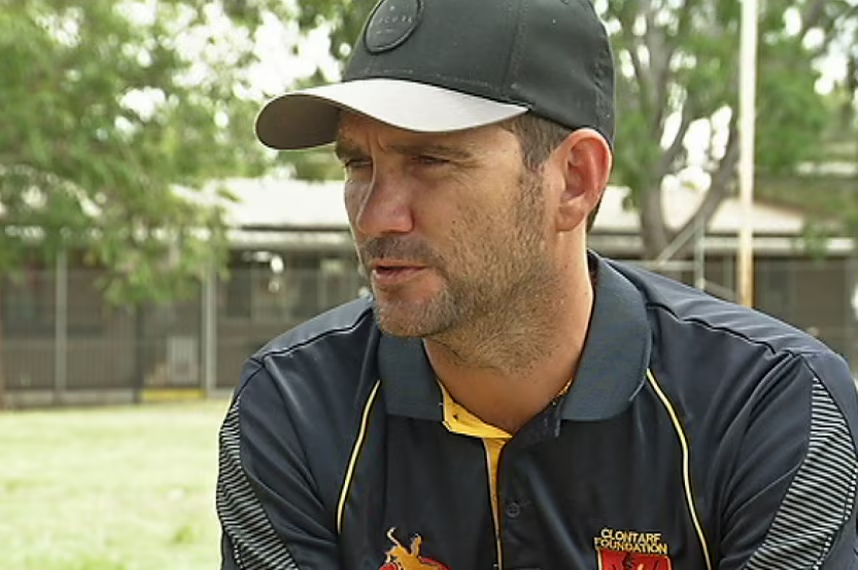
I always like to start at the beginning – makes more sense really don’t you think? So, tell us about little Carl. What were you like as a small person? And what was your growing up like? Did you grow up in the Kimberley region?
Hello Sue, thank you for having me on. It is a pleasure to join you to chat.
I am Jaru and Gija man who was born in Wyndham in the Kimberley in the top of end of Western Australia and was raised in Halls Creek. I was the youngest of four kids- but one of many cousins (my mum was one of 10). I spent a lot of my time running around with my cousins and mates in the outdoors. We learnt through doing and seeing- bush life, work, culture, language, hunting, fishing, quad biking. We had to think outside the box on how to have fun in a small, outback remote community.
Were you a reader as a child/young person? If so,what were your preferences for genres and authors?
I was not a big reader- I didn’t see myself in the pumpkins that turned into chariots. I read real life books when I did read- I enjoyed Guinness Book of Records, biographies and autobiographies. We had limited access to books at our tiny council library and school library (back in the 80s).
That is one of the reasons I write – to write the books that I would have loved to read. The ones with outback adventures, faces, experiences that I could relate to.
What was young Carl like at school? The class clown? The daydreamer? The swot? The jock?
Young Carl was outdoors, sportsy, good mate, supportive. In a small town, everyone knew everyone- you learnt to be kind and connect. A bit like now, he liked a good yarn and a good laugh. I remember being in Year 3 and writing a multi-page story and the pride I felt about that achievement- young Carl would be proud of me now too.
What was your first job? What did you do before you were writing? What was the impetus for you to become a writer?
I didn’t have a real ‘first job’ like some kids in larger towns like working at a supermarket or pizza shop or newpaper delivery. But I always helped out my family and community with odd jobs- and dad doing machinery operating and oval maintenance. I didn’t expect money- it was just what you did. In outback towns that is kind of how it is. You have cultural roles and expectations, but also just being part of community and helping out.
Then as an adult [I] was an educator and a footy coach in Halls Creek WA and Broome WA and Nimbin NSW. I have also worked as a swim coach, lifeguard, elite football pathway coordinator.
The passion for writing came about when I was waiting for my daughter to arrive- so had some downtime in the ‘big city’. And I thought about all the kids that struggle to engage with books that just didn’t reflect their lives. I wanted to write books to hook my son, daughter- and all my little relatives across the Kimberley and top end. I wanted my kids to see themselves and their culture and language in books no matter where they were around Australia.
I’d seen teens and adults and old people who were illiterate and the struggles they faced in life because of it. I wanted to play my part to ‘hook’ kids into reading, and into writing, and into believing in themselves. If they could ‘see it, they could be it’.
I know that you are passionate about making a difference for jarjums, especially in the remote areas where schooling can be problematic times. When did you first see that you could have an impact and how do you think your books are helping in that? What would you like other people to know? And how can others help in this mission?
I have worked as an Education Assistant and Aboriginal Education Officer for over 20 years in rural and remote schools. I have seen the best and the worst of remote education. I have seen the impact of culturally relevant, culturally safe, and engaging books, activities and spaces. I realised, while there was an increasing number of high quality books by First Nations peoples, that my outback experience was not being reflected in these. I wanted to show the diversity of First Nations peoples- that the other books were deadly and important- so too were the outback stories. And through those you can see the strengths, opportunities, similarities- but also gain understanding and empathy about the challenges we face too. Us mob out bush are not some abstract distant people- to bring our stories to the hearts of Australians everywhere. To make us real, connected, humanised. Because through reading and understanding- we can walk together.
Sometimes in the city, people might take for granted the education opportunities they have, the facilities they can access, the teachers that have been there for decades, the specialists that support students. That is not the experience of outback kids- some of the most amazing deadly mob you could meet with so many strengths- but with significant vulnerabilities and challenges- who need the best.
To be an ally: read widely, listen with an open heart, watch NITV and other First Nations content, decolonise your bookshelf, research yourself (be aware of cultural load and colonial load), collaborate on projects, amplify First Nations voices (share content, invite and pay guest speakers), do First Nations run professional development, support grass-roots First Nations led action and initiatives, support First Nations businesses, donate to First Nations charities.
How important is for mob kids to see themselves and their communities in books? There’s been some great progress in this area of kids’ literacy but we still have some way to go, would you agree?
There is a place for learning from other cultures and peoples. Aboriginal kids deserve to read widely too. But imagine if ALL your books were written in a different language, with just the faces and landscape and stories of a place distant from your own.
That was kind of like what it felt like for me as a kid when reading books. They were in English when I spoke Kriole, Aboriginal English and traditional language. They showed kids of a different culture, in cities or in ball gowns, or in Western nuclear families, with little white dogs. If you don’t see yourself in books you have the subconscious story that your stories aren’t worth telling, people like you aren’t worth learning or reading about, you should aspire to fit into the world shown in books, that those lives are better or worth more.
So, readers, if you are trying to think what you can do in your spaces:
- Decolonise your bookshelves: check what books are there. Do you have diversity of cultures, abilities, genders, experiences? What message are the books on the shelf sending- because even books from 20 years ago can have messages or terms or versions of history that have been misused or disproven or are not longer appropriate. AIATSIS have a great checklist for choosing resources as does Cara Shipp in her new book.
- Support First Nations education and book businesses. And support First Nations writers, illustrators, creators.
- Buy First Nations books, request Aboriginal and Torres Strait Islander books in school libraries and community libraries, read books with your kids and students and families.
- Talk about First Nations books in your socials, blogs, channels, with friends over a cuppa, in your book clubs.
My Deadly Boots was one of the most popular books I shared with little kids after I reviewed it. Can you tell us some more about the inspiration for that one?
We had been reading books in a library with our daughter and one was about shoes- and I realised that we have a unique spin on an everyday thing too. That the girl’s experience in that book of ballet shoes and other shoes, and the things she did and the people she interacted with- were so far from the experience I had.
‘My Deadly Boots’ was inspired by real life- the feeling when you get a new pair of boots- a universal experience. But through the lens of an outback kid. We are pretty proud of this book- because it has so much you can unpack in such a small book- healthy lifestyle, connection, culture, family, friends, saving up, consumerism. As well as identity and what makes us who we are.
The sports series is also off to a great start – my kiddos loved Backyard Footy and sharing Backyard Tennis is going to be equally successful. What is it about sports that so particularly connects for outback kids do you think? Can you tell us about what others are planned for the series
There is so much to do in the outback: fishing, hunting, collecting bush tucker, quad biking, riding horses, swimming in waterholes, art, and craft, building. But there is also ‘not much’ to do in the outback at the same time- limited facilities, limited youth activities, limited equipment- plus the impact of the heat, distance, costs.
Sports is a shared experience that brings people together. It keeps you busy, skilled, active, connected. Sports builds resilience and brings community closer. It creates a sense of community- and is great for mental health and healthy lifestyle.
You can feel pride in your skills or your game, in watching your family do well, in the success of your community team.
When the lights flick on at the oval, people will walk by checking if there is something on. A sports match will have people walking and driving in from all across community and from outlying places too.
People from communities travel hours, even days sometimes, to play footy against each other, across long red dirt roads.
The next book in the series would be Backyard Basketball- again showing the ways you make do if you don’t have the equipment or facilities for sports, the way community comes together, the importance of inclusion and friendship.
While I wait to see if Hachette want to develop that story- Hakea and I have co-written a middle reader based on the real life of Jy Farrer from Gold Coast Suns: Kimberley Kickers- Jy Goes for Gold which comes out in September with the theme of sport again.
I also loved Black Cockatoo and have recommended it several times as a novel for lower secondary kids. Do you have plans for more YA novels or novellas? What concerns you about our First Nations youth and the pressures and prejudices they face? What solutions do you see for us moving forward?
‘Black Cockatoo’ was followed by ‘Dirrarn’… and for the first time telling anyone… the third book will be out next year! The final book will follow Mia at university and then making change in community. We also had news that we have a contract to develop these books into a play script as well.
‘Tracks of the Missing’ is our YA suspense thriller book that would be suitable for readers in year 8-10. Deklan Archer is an outback teen who sees footy as his big chance to ‘make something’ of himself. But when he is roped into helping track a busload of missing students- his destiny is changed. He must find the lost kids, before something finds him.
This year we have middle reader books ‘Kimberley Kickers: Jy goes for Gold’, and next year ‘Kimberley Kickers: Krstel Petrevski, and then ‘Kimberley Kickers: Ash Johnson’ – which follow real life AFL and AFLW players from the Kimberley in their adventures before becoming footy stars.
We are also working on a new book series- following a kid on the wrong side of the law, who has to try to save an outback town… the plot is still a little bit of a secret as we are in early stages or writing. But we do have lots in the works. So stay tuned!
We love writing books that show the strengths of outback kids- but that don’t shy away from showing the sometimes harsh reality faced by kids outback too. These books can show them doors and paths they can take- show them how these characters overcome their challenges, and how they might deal with similar situations too.
When we don’t see and build on strengths- we let outback kids down. High incarceration rates, low high school completion rates, low literacy and numeracy levels, lack of job pathways, lower life expectancy- these books aim to highlight some of these issues for wider readership. These books put deadly faces to outback kids, show their passions, their connection, their hopes, their dreams- as well as the challenges they face.
When I think of Halls Creek for example I think families, sports carnivals, happy memories, culture, red dirt, ancient landscapes, waterholes, adventure, fishing. When you search it on the internet the results and articles would tell a different story- maybe it would be youth crime, education outcomes. With recent news reports of riots and unrest in Alice Springs, or reports of abuse in youth detention centres in WA, with stories of First Nations kids being the target of racial attacks, with racial profiling and excessive force, news reports of high crime rates- I want my books to put faces and heart into the story. These aren’t just random pictures on your telly or newspaper or social media tiles- these are real kids, with real families, with real faces, with real stories. And if people can read some of my books- based on the lived experience of me or my family or my students- they can learn, understand, empathise- so that when they see some issue on the news they can be an ally and raise their voice in support too.
I know you love your footy – what other interests do you have? What does downtime look like?
I will give any sport a go. My backyard has a well-used archery target, basketball ring, chalk drawn soccer goals. I’ve got the footy, tennis rackets, frisbee, boomerang all in my sports box on the deck. I love going to AFL matches live to watch my nieces and nephews play.
When I am home, I love hunting bush turkey and goanna, going fishing, swimming in waterholes. I love hanging out with family, sitting around a fire, or watching the footy.
What’s coming up next for you (and Hakea?)?
I’m writing my own book about code-switching and living in both worlds- that’s been on my mind for a few years but I hadn’t found my ‘way in’ to the story yet.
Next year we have: ‘Loved you then’ a picture book illustrated by Jade Goodwin about all the ways you can love someone in the outback. We have the Kimberley Kicker series, and the next instalment of Black Cockatoo/Dirrarn series, as well as the script version. Then every year for the next couple of years we have two books out at least each year.
If you had to sum yourself up in a six-word sentence – what would it be?
That is hard: Big-hearted Kimberley family-man, educator, mentor.
Thanks for your thoughtful questions, Sue. And for giving me a chance to share my story and my stories.
Mandaang Guwu for joining us today Carl – so kind of you to share your time. ❤️💛🖤🔥
What an important Q&A this has been. Once again, I urge all of you to become more active advocates and allies for our First Nations people. We still have so far to go with the path to heal the past and forge a shared future. Please read Carl’s answers carefully – particularly on how non-First Nations people can make a difference. If you have read or look back at many of my posts concerning First Nations and Indigenous issues you will find links to many businesses, educational sites and charities that you can support. Cara Shipp’s book, mentioned by Carl, is Listening from the Heart: Rewriting the Teaching of English with First Nations Voices. I hope to be able to bring you a review and a conversation with Cara soon.

 Just So Stories
Leave a comment