

Riveted Press
April 2025
Distributed by Simon & Schuster
ISBN13: 9781763526051
LIST PRICE: AU$ 17.99 / NZ$ 19.99
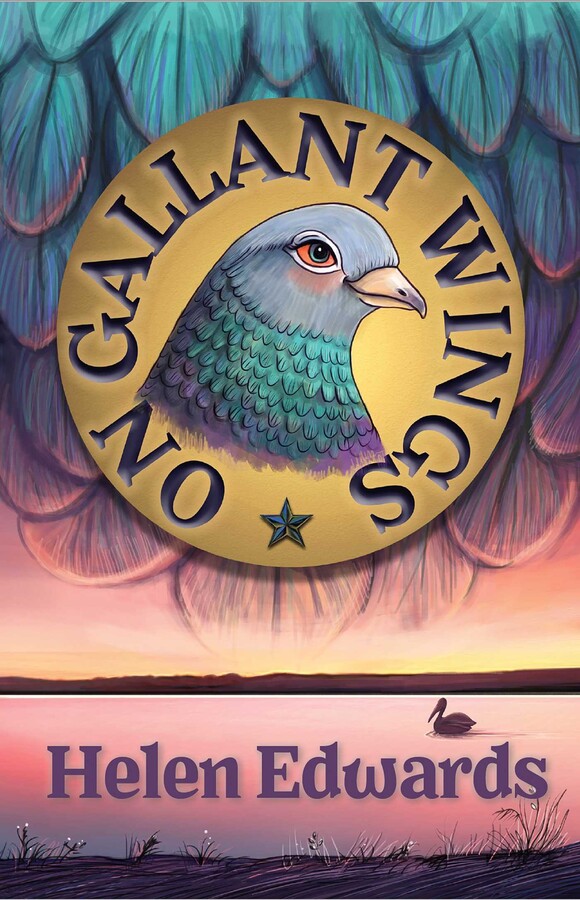
I can completely relate to author Helen Edward’s comment in her notes that she knew little about the Japanese attack on Darwin. I was certainly the same. Growing up in the late 50s/60s, I knew more about my Father Bear’s war in Europe [though very little of his own personal experiences].
It really wasn’t until my library life and reading both Belinda Murrell’s The Forgotten Pearl and Gabrielle Wang’s Pearlie/Our Australian Girl series, that I was able to add to my knowledge beyond ‘Darwin was attacked by the Japanese’.
Now, thanks to Helen’s excellent and well-researched narrative, I have added more to my store of knowledge on this truly frightening episode in the war in the Pacific, when our country was most under threat of invasion.
Whether your readers are interested in this period of history or whether they are studying it as part of their History units (perfect read-around-your-topic for your secondary kiddos), this book goes beyond the Darwin bombing, and takes readers (and definitely me!) into another arguably not-so-well-known chapter in our part in WWII.
And it’s not just our part in Victory in the Pacific with our men in uniform, but the role of women in the forces, that the author explores. The story opens with our introduction to Ava and her best friend, Kazuo, plus family about to watch Ava’s prized squab, Essie, take her first flight.
Ava’s family have homing pigeons that are far more than pets, and while Ava’s dad is away fighting, she has taken on the bulk of responsibility in caring for them. She misses her dad, sometimes she worries about the increased number of soldiers in Darwin -do they make her feel safer or more anxious? – but mostly, things have been on an relatively even keel. They are far away from the war, or so it seems.
And then, like a tsunami sweeping everything in its path aside, Ava’s entire life is turned upside down. Her much-loved brother, Fred, enlists despite being under-age. Her best friend Kazuo and his family are taken way, like criminals, to a far-away internment camp. And then, Darwin is bombed viciously by the Japanese enemy. Ava and her mother must leave Darwin and quickly.
In one sense, they are the lucky ones, given how many have died in the attacks but all this means that everything Ava knows has been taken away, including her beloved pigeons. At least, the birds are safe with her brother in his new role with the Signals corps in Townsville.
But it’s a hard ask for a young girl to be torn away from her entire life, and Ava is both distressed and despondent. She has her own method of dealing with her anxiety, which is setting herself ‘rules’. She is resolved to be a support to her mother, and do whatever she can to be a dutiful daughter as they head the length of the country to her grandparents’ place in Lake Boga.
It doesn’t help to find out that the true extent of the Darwin attack has been withheld from the public. As is often the way in war, the authorities conceal much in order not to panic the population. Ava is convinced that one rule in her new setting is to have no friends, but she soon finds herself with mates her own age who involve her in their lives around the town. She helps out in the local shop. She learns more about her grandparents and their lives.
And when her mother joins the WAAAF, intending to work at the new Catalina base, built in Lake Boga by the RAAF, Ava knows that her family are giving their all in the fight against the enemies of democracy and freedom. Somehow her rules are dissolving as she becomes more resilient and more determined. That attitude comes in at just the right time.
When Kazuo is about to be taken away from his family and placed in with the grown men, he escapes and makes his way to Ava’s grandparents’ place. The girl hides him, enlisting her trusted friends until there is no option but to reveal his presence. They do however, discover they have more help in their endeavour to keep Kazuo safe than they thought.
Ava’s war has serious but positive outcomes, and her growth as the protagonist in this narrative is a truly pleasing arc. This is historical fiction that not only explores the events of the time, and the ways in which ordinary Australians coped with the difficulties and tragedies of war, but also an examination of how even a young person can rise above their personal circumstances and develop an inner fortitude and ingenuity, they may not have suspected having. It also shows the true value of the bonds of friendship and loyalty – that we are not alone – the selfless kind that goes above and beyond.
On ANZAC Day I wrote this as part of my social media post:
I’ve just written teaching resources for two new forthcoming MG books on very different aspects of WWII. Late last year I wrote the notes for a YA WWII novel, on a topic that was completely new to me regarding the Paris Occupation. That book is now released and my review coming up shortly. I’ve read an amazing graphic memoir of a Holocaust survivor, with the review scheduled for next week or so. I devoured Helen Edwards‘ On Gallant Wings on my plane trip on Tuesday, and am looking forward to writing the review when I get home.
Helping our young people to unravel the past, is the only way to equip them to build the future, I believe. And I thank all our creators who put in so much effort, including painstaking research, to do so. This ANZAC Day, with all that’s going on murderously across the world, is a prime time to express my thanks to our writers who take on this challenge
There is no doubt in my mind that when people comment on ‘why so many war books for kids’, this is the reason for it. Just look at the death and destruction overseas. We need to do everything in our power to raise readers who are informed not only of the present but also the past, so that they can identify the dangers, and defend themselves and their worlds from the tyrannies that warmongers seek to impose.
Thank goodness for our writers who help to show them the path to peace. Helen Edwards’ work speaks for itself and this is another in a league of its own. Once again, I must make mention of the flawless design and cover art (Tamlyn Teow) which Riveted Press always do so well. Readers from around 10 upwards will not only enjoy this but gain an enormous amount. I would also be bringing it to the attention of your History HoD in secondary. Highly recommended with a 5 🕊️🕊️🕊️🕊️🕊️ rating.
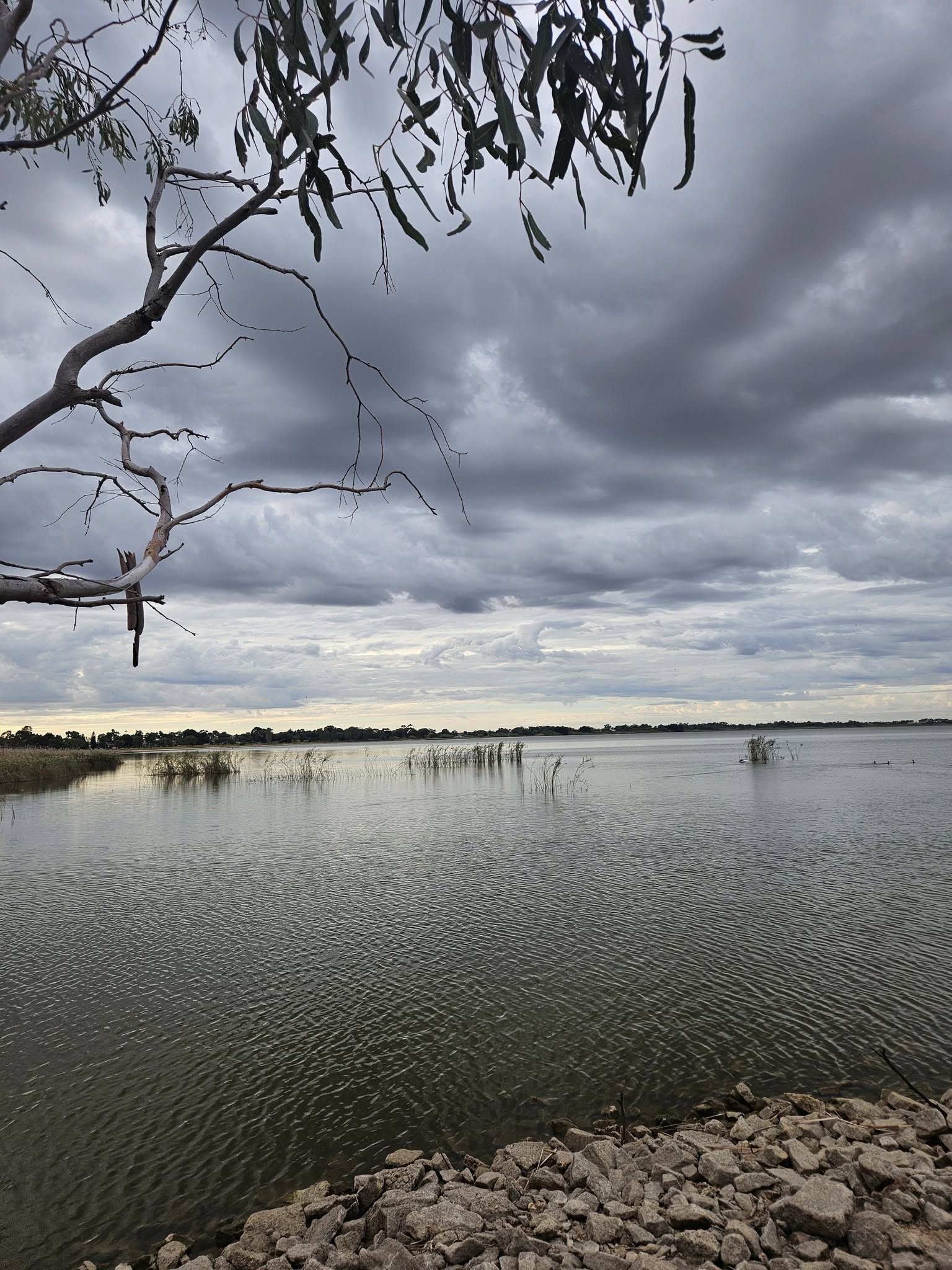
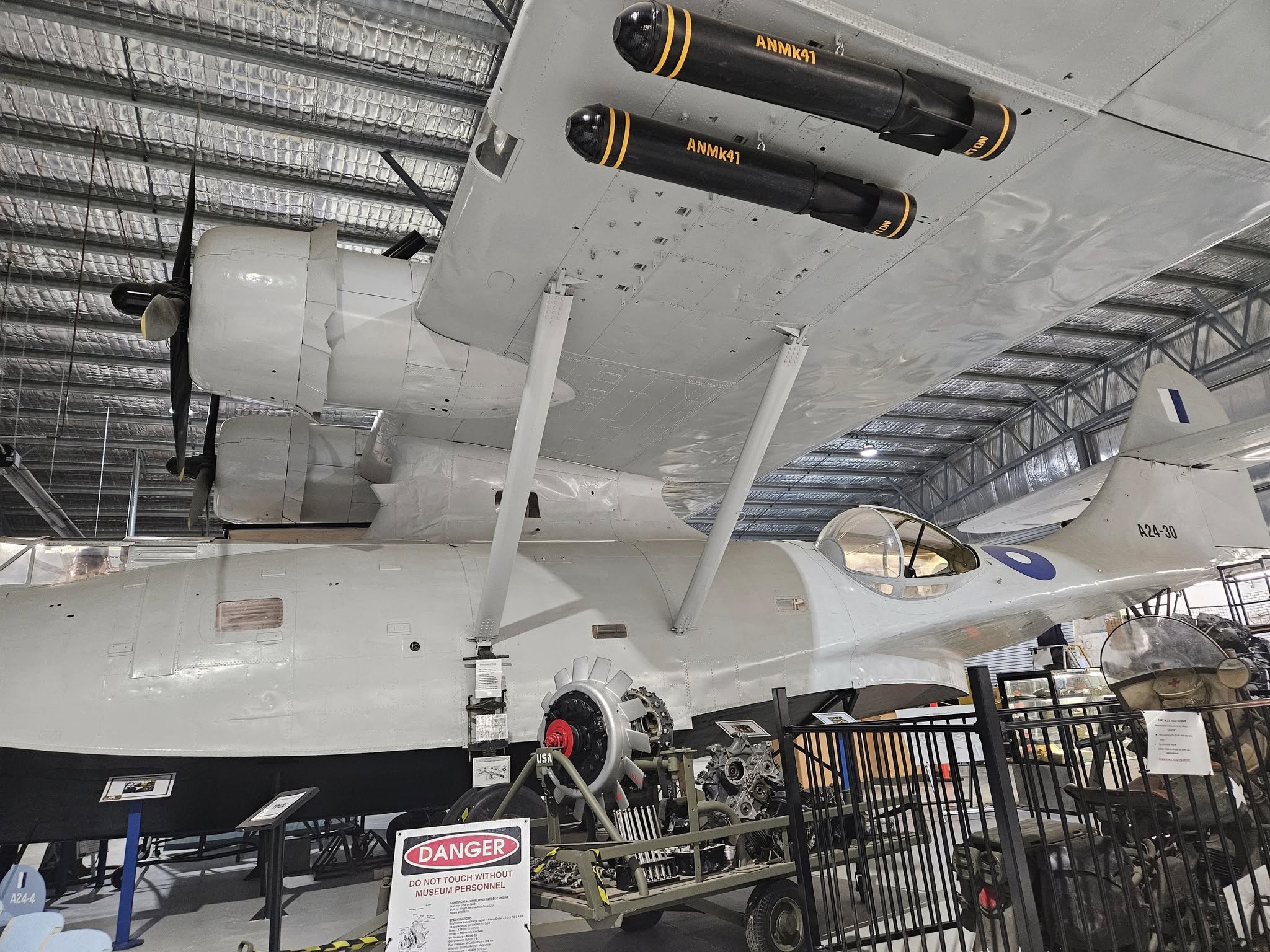
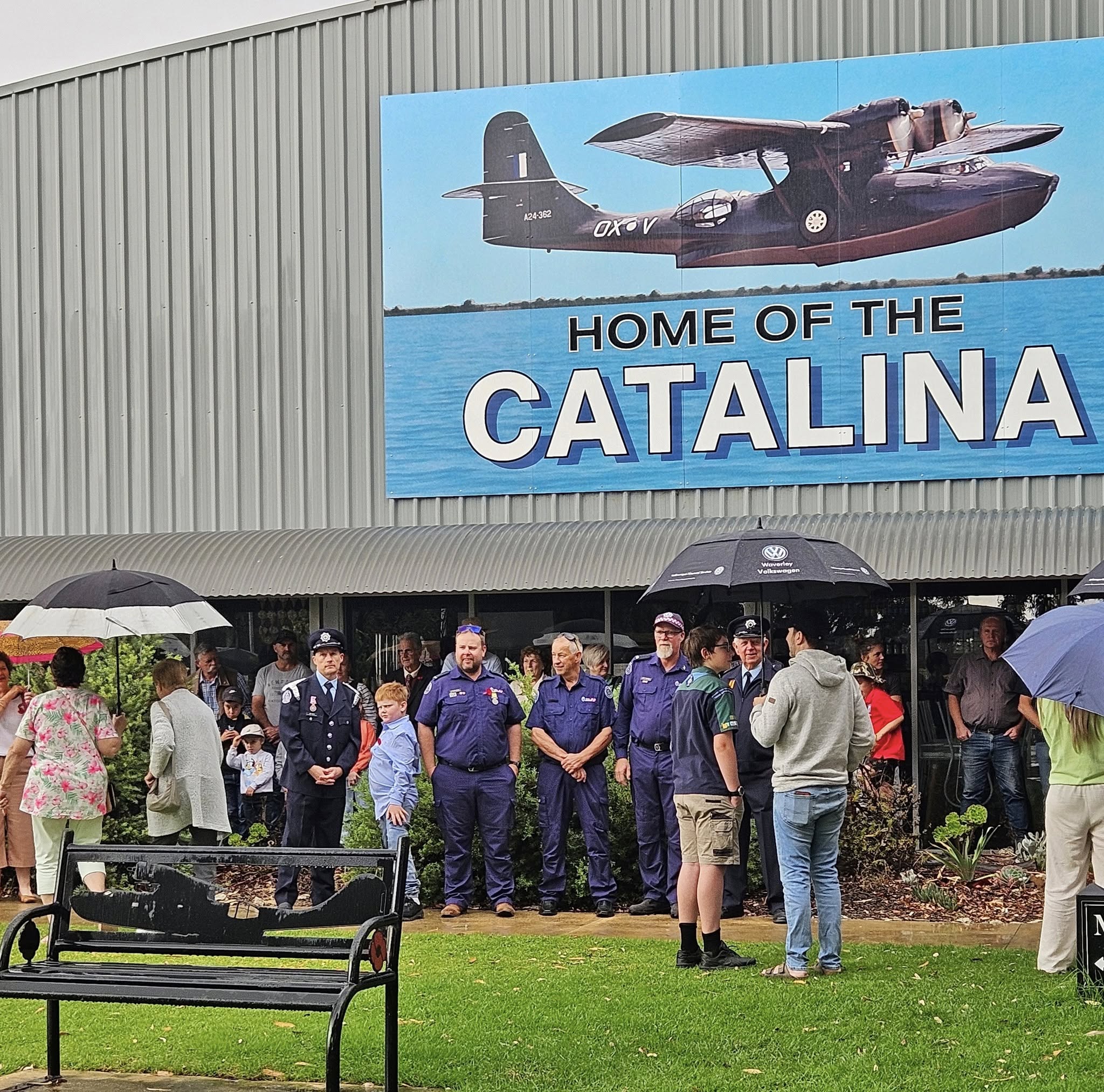
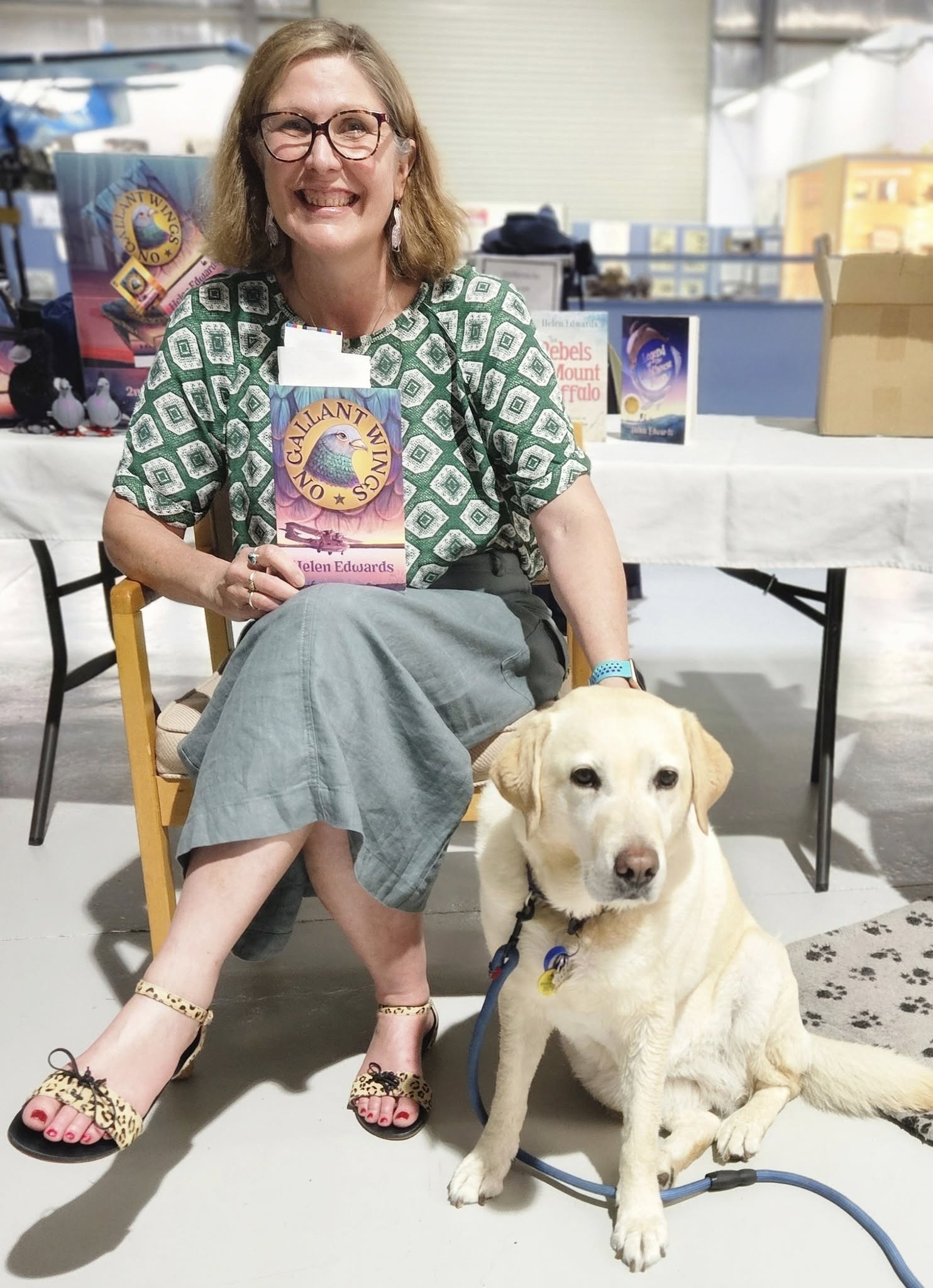
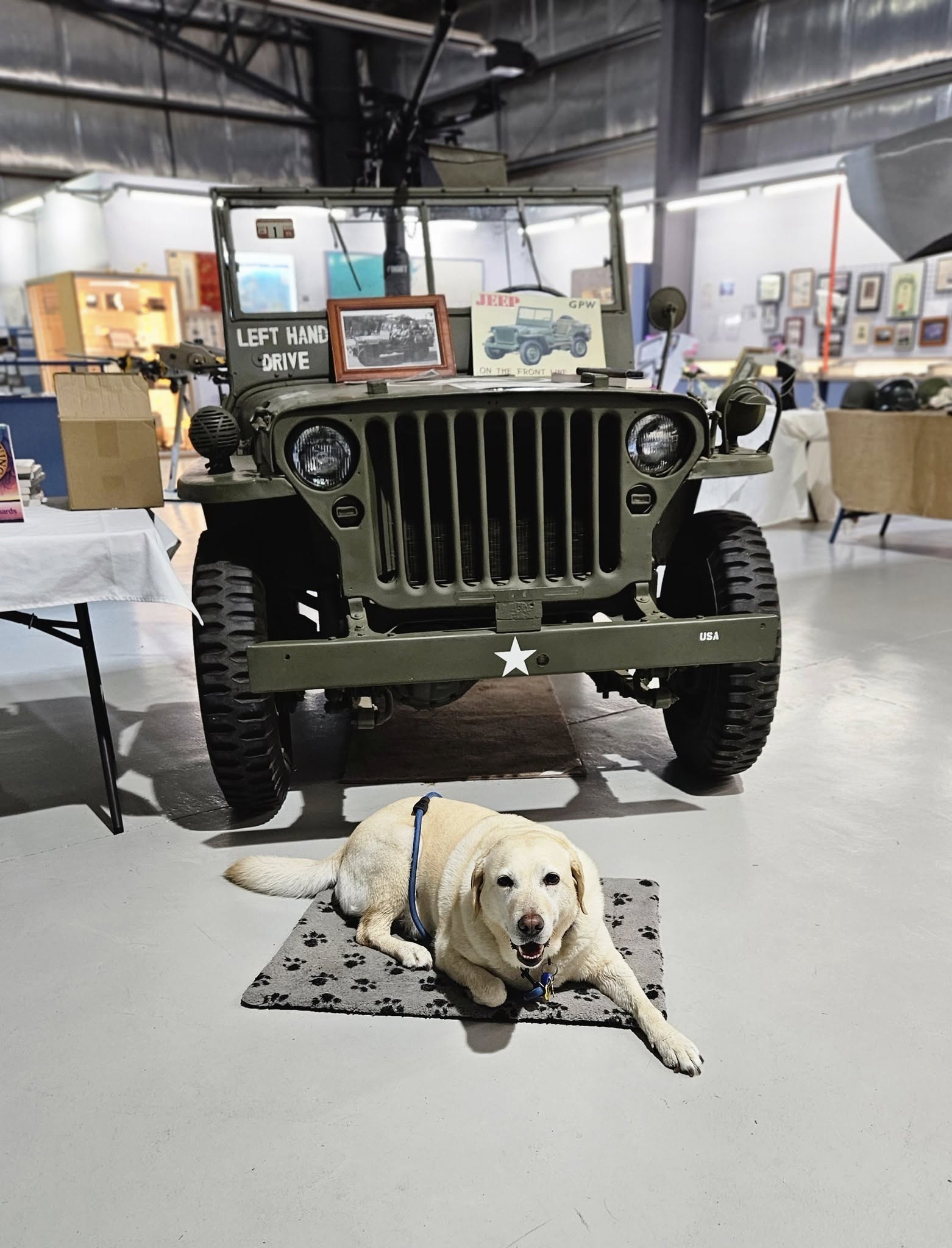
Photos from Helen’s recent launch at Lake Boga Flying Boat Museum, perfectly timed on ANZAC Day.
As the epistolary technique plays a significant part in this, with letters between Ava and her father, brother and Kazuo, you might also enjoy this post from the author. Letters from Home.
[Did you know you can also volunteer as a digital transcriber for the AWM? I’ve done a few and while some is fairly mundane, other documents are very interesting.]
100 Years of the Royal Australian Corps of Signals
Dickin Medal – Australian pigeons

 Just So Stories
Leave a comment