

Hachette Australia
Imprint: Lothian Children’s Books
Jul 7, 2026 | 9780734421920 | RRP $17.99
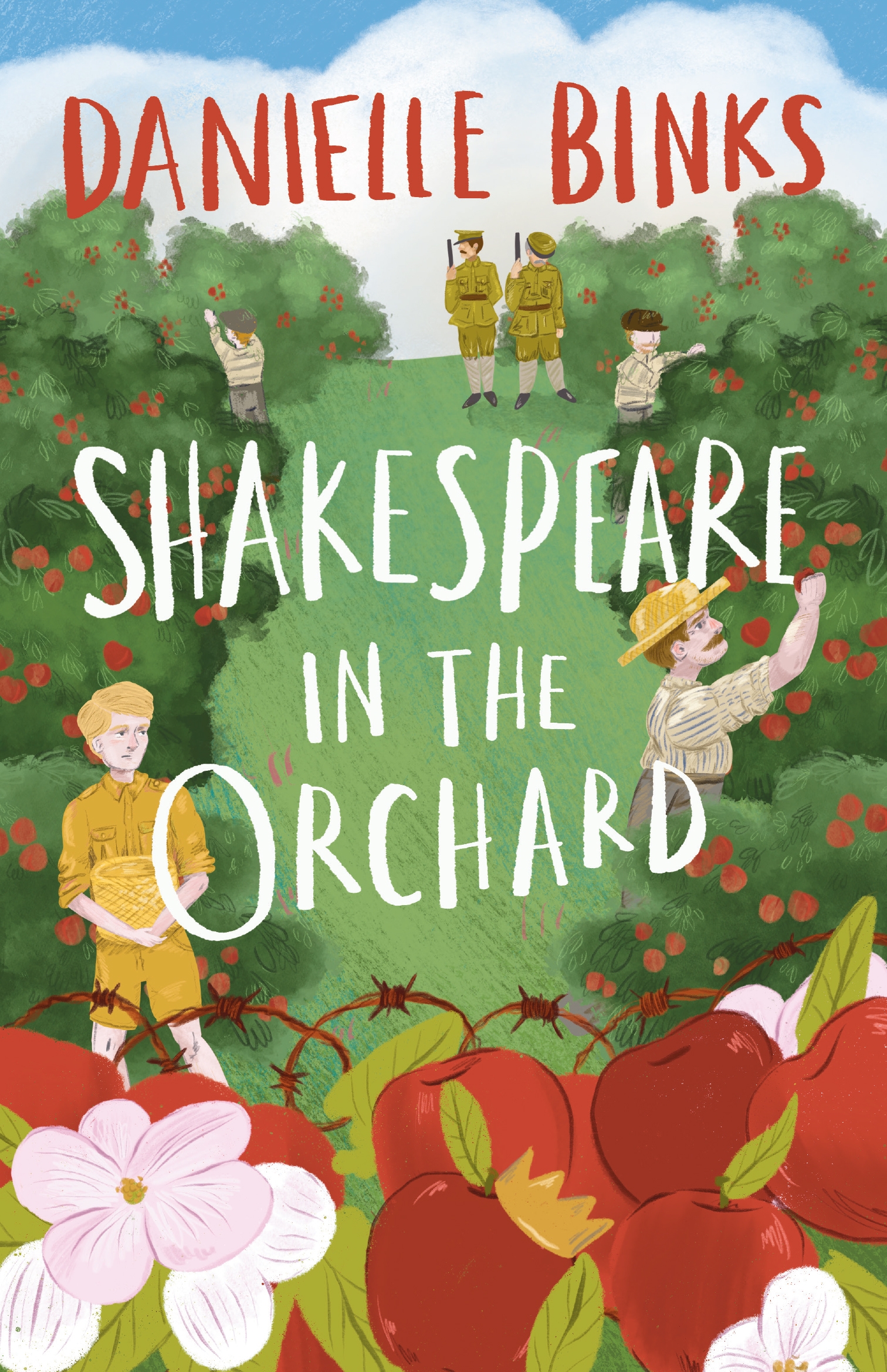
It took me a while to get into this one as the first chapters seemed to move slowly but once it got going, I was thoroughly engaged with this fictionalised slice of history, hitherto unknown to me. That is to say, naturally I knew about the internment camps during the wars, but not familiar with this particular one – probably because it’s Victoria and that was like a whole other country when I was growing up or even in high school.
Danielle Binks has done a thoroughly excellent job in characterisation, which is always a strength of her writing, because at the start I really didn’t like protagonist Jack. Thankfully, his growth as a character redeemed him and my opinion changed.
Having lost his father at an early age, now Jack and his mum are faced with the possibility of losing Jack’s older brother, Matt, who is away with the AIF in Egypt and part of the Gallipoli campaign. To add to their anxiety and stress, their apple crop is ready for picking but, of course, all the able-bodied regular pickers are now serving in the forces.
But the newly arrived ‘German’ internees, housed woefully in the Langwarrin Military Reserve, can provide a workforce for little money. There has been great resistance to having the prisoners so close as the hostility towards The Hun runs high and tempers flare easily. Jack is all too willing to ride this crest of antipathy, especially as fuelled by his substitute teacher, Boer War veteran Mr Kempster.
As he gets to know the crowd of new pickers as individuals, most of whom have never even set foot in Germany, and befriends Lottie, the daughter of one, he begins to change his mind entirely. This is especially so as it is tempered by his best friend Walter’s attitude. When the prisoners propose to stage the Shakespearean play, Hamlet, a highly strategic move to demonstrate the universality of the Bard as well as human spirit, Jack gets far more involved than he would ever have thought.
It is a thoroughly heart-warming story demonstrating that prejudices and intolerance are so often created by pure ignorance and wilful misunderstandings. A particularly resonant episode is the underlining of the most violent, dangerous and intolerant person in the plot – one of the soldiers reputedly safeguarding the community, not one of the prisoners who remain docile albeit dejected – a thoroughly nasty piece of work. One sincerely hopes he found some redemption when eventually sent to the Western Front. I’m skimming very lightly over the plot details as there is much to unpack in this one: attitudes in general during the Great War, rural/small town Australian life in the early 20th century, prejudice and ignorance, courage and compassion and the meaning of friendship.
For middle primary to secondary readers who enjoy this aspect of historical fiction this will be a real winner. For students who are examining the First World War as their UoI, it would make a terrific read-around-your-topic title. It’s definitely deserving of a 5 🍎🍎🍎🍎🍎 rating.
CAPTURED LIVES – Australia’s Wartime Internment Camps
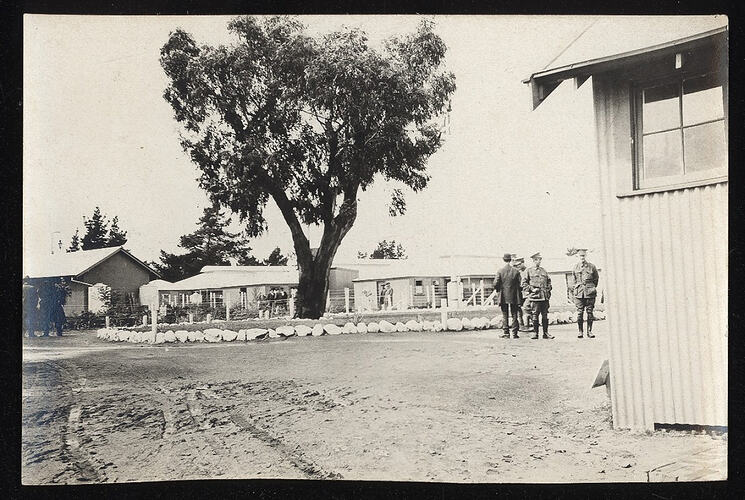
Unknown photographer
Source: Museums Victoria
Langwarrin Flora and Fauna Reserve
Explore a preserved pocket of the indigenous flora and wilderness that once extended across this area of the Mornington Peninsula. The network of trails that wind through Langwarrin Flora and Fauna Reserve offer a fascinating insight into the different vegetation communities, fauna habitats and historical sites. The mixed-use tracks are popular with walkers, joggers and cyclists.
This reserve and surrounding lands were originally occupied by the Bunurong people who travelled across the peninsula in search of seasonally available foods, and the remnants of a lithic (stone) scatter in the reserve is testament to the long history of use and pre-European occupation.
First established as the Langwarrin Military reserve in 1886, this park was used for various activities by the Victorian colonial defence forces. During World War 1, German prisoners of war were detained at the reserve and a hospital was set up for the treatment of soldiers returning from France and Egypt. The Langwarrin Historical Trail provides an insight into the history and remains of this military use, including the stone-capped reservoir and rifle butts.


Leave a Reply