

Wild Dog Books
Dist: Simon & Schuster
June 2026
- ISBN13: 9781742037240
- AU$ 24.99 / NZ$ 28.99
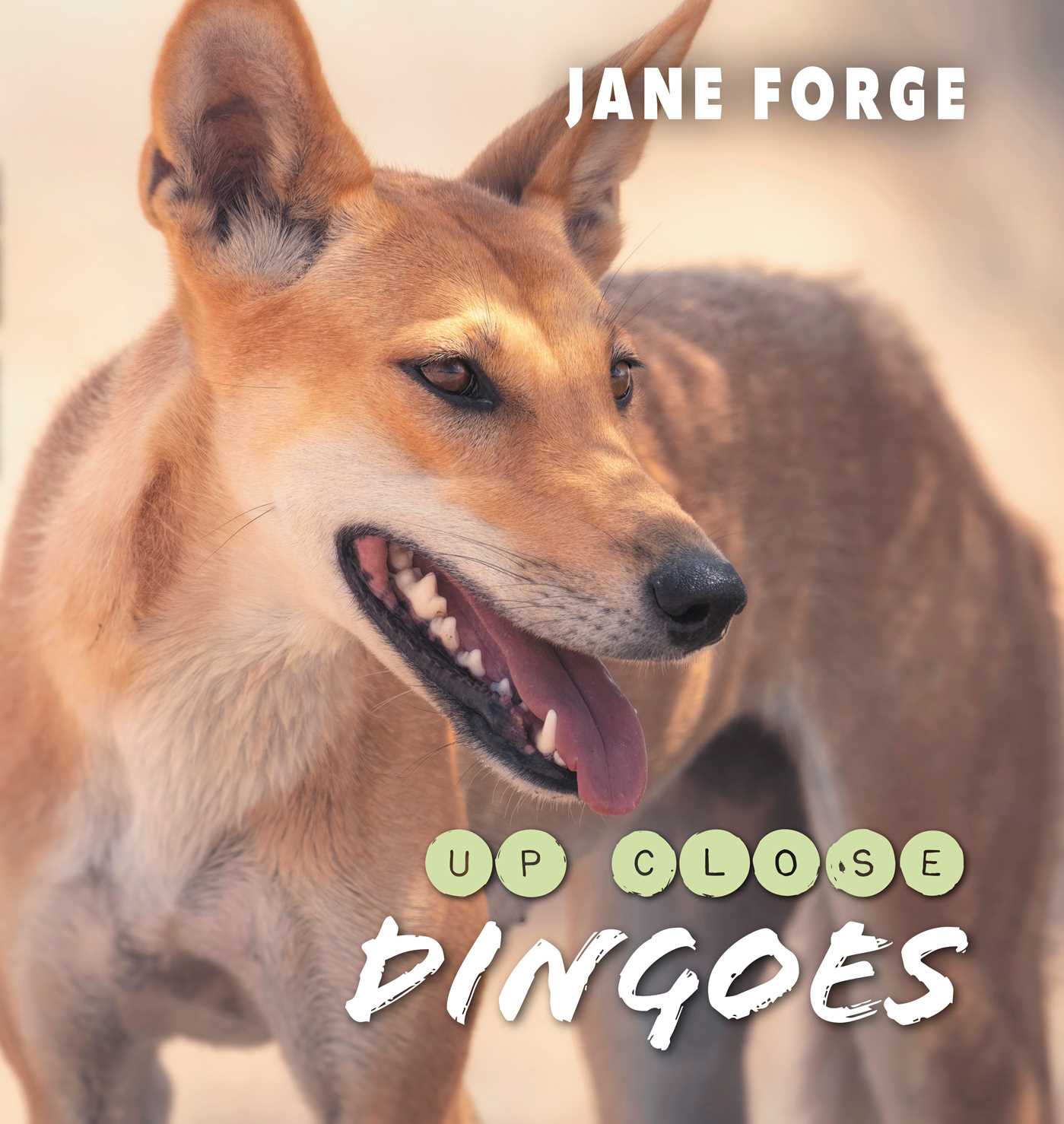
In a word – stunning! This is exactly the sort of non-fiction book on Australian animals that we all want to complement our UoI on our fauna but, at the same time, is also perfect for those children who are keen to learn more about animals.
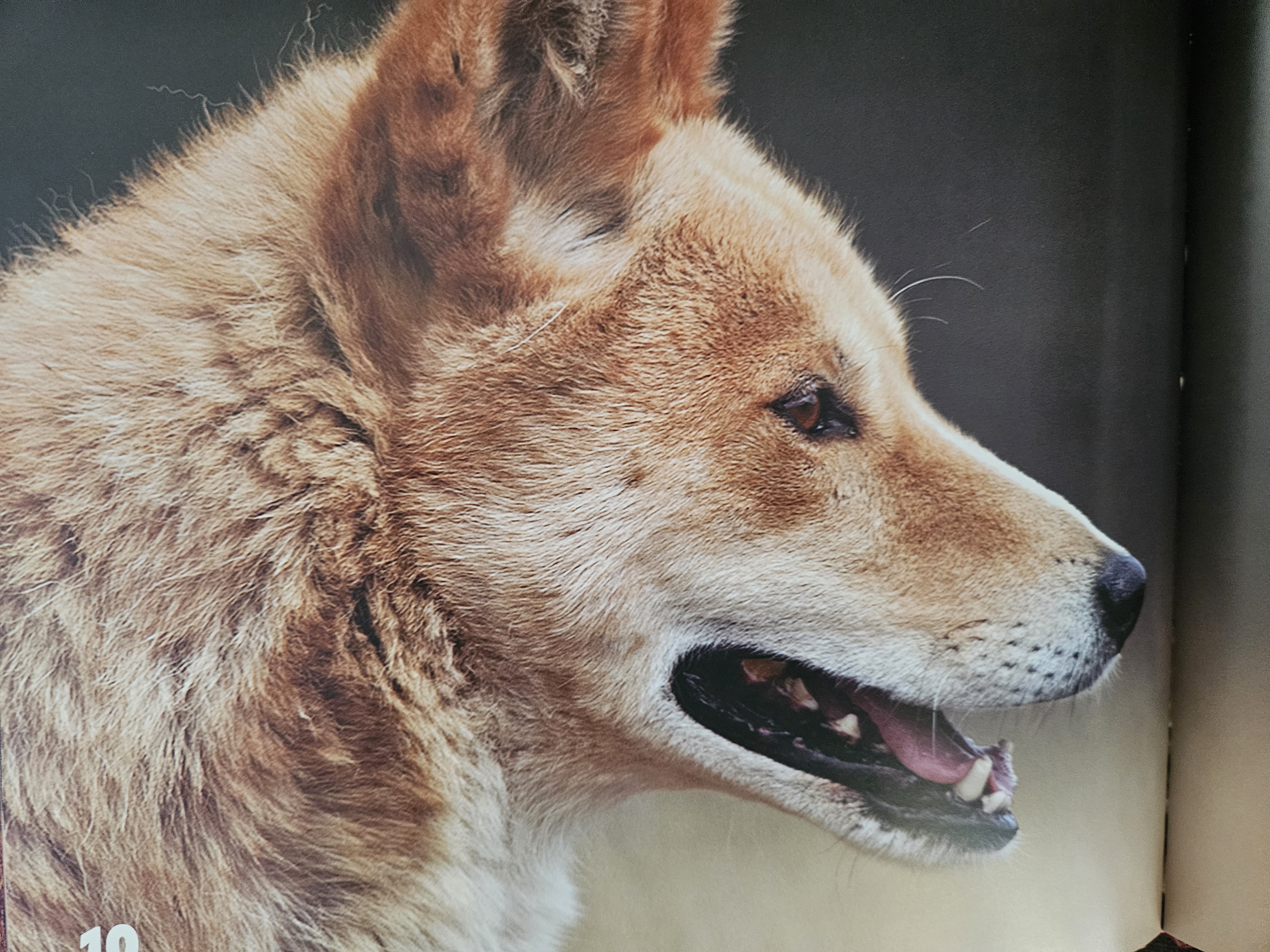
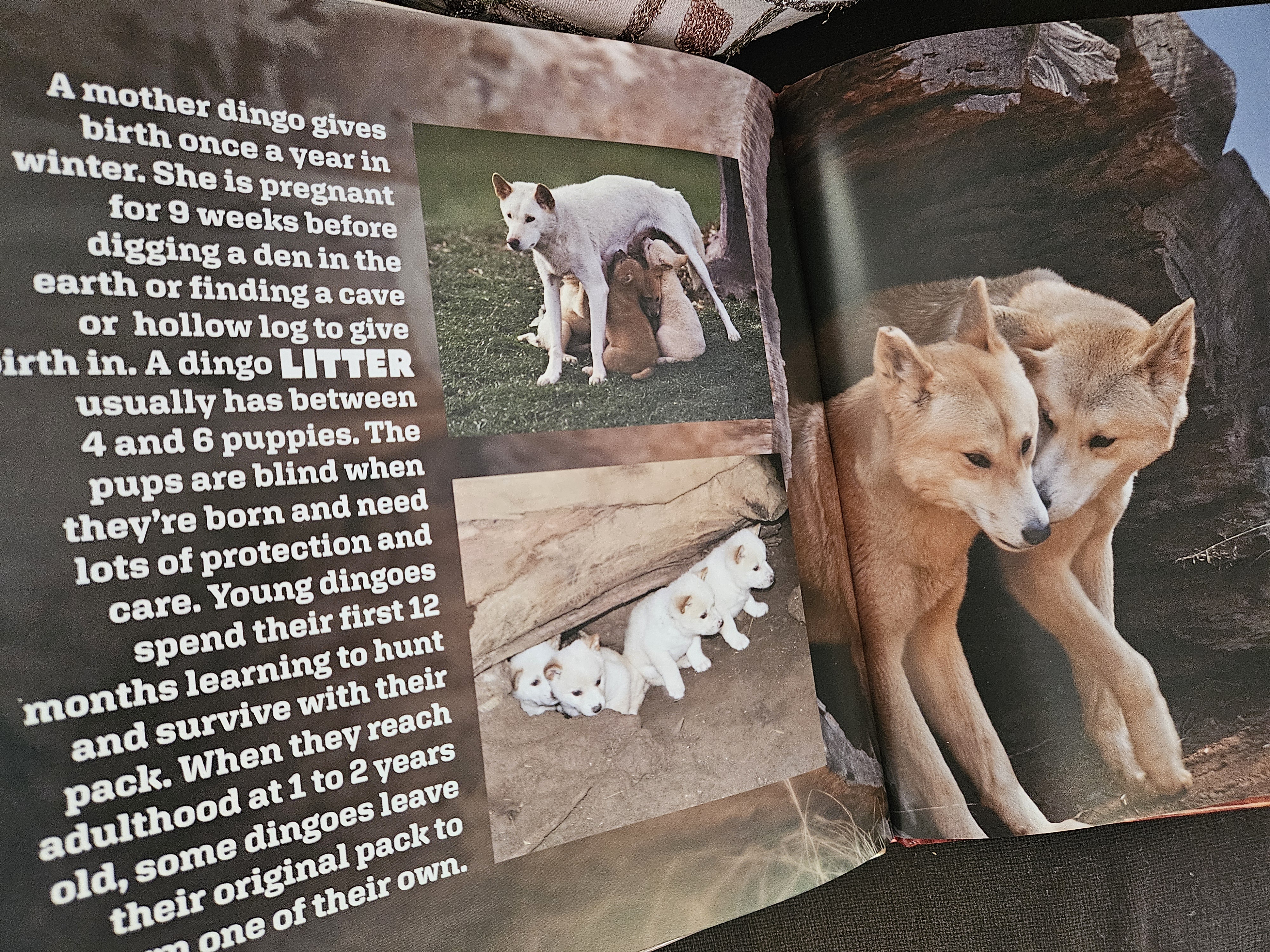
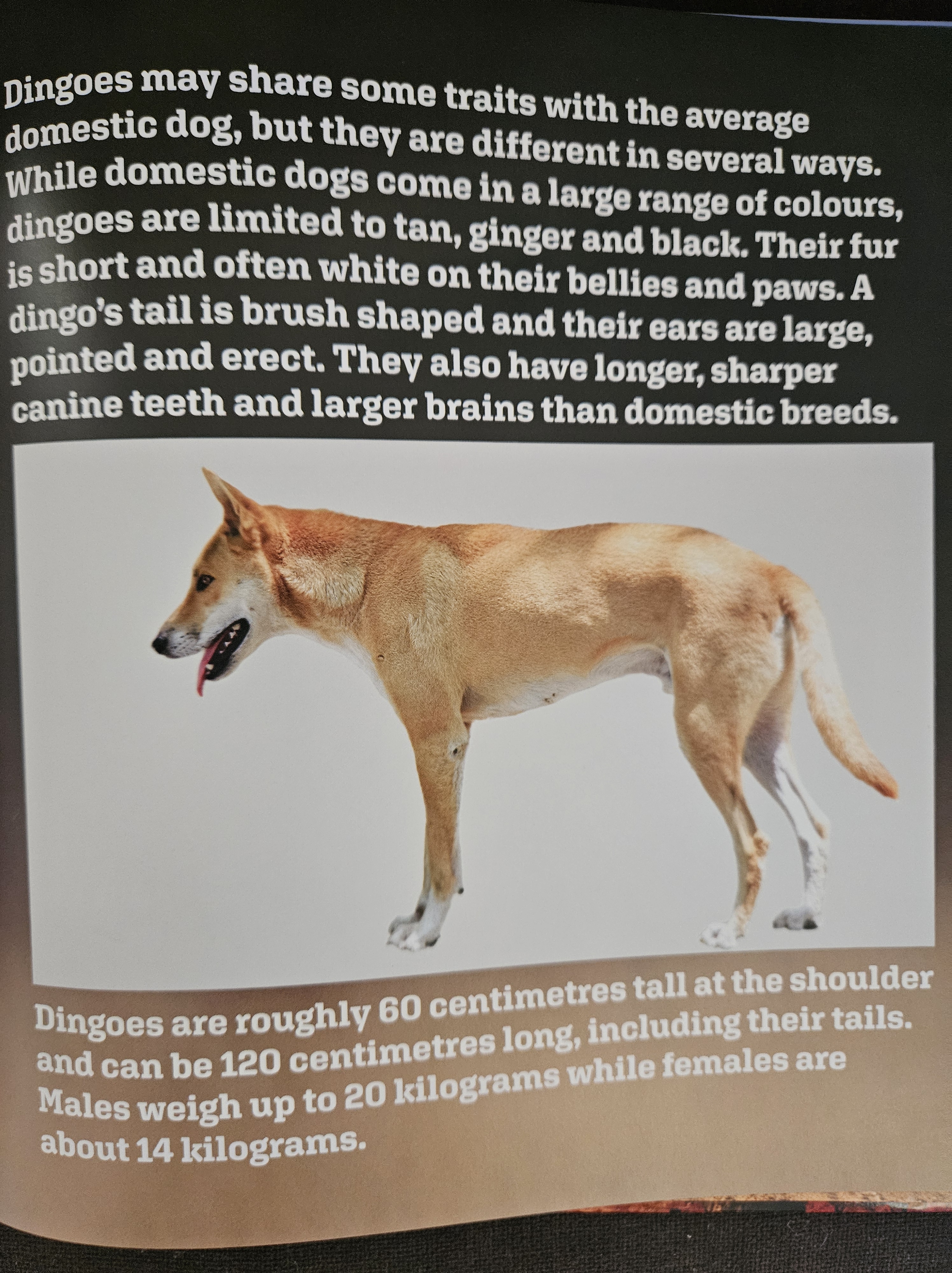
With outstanding photographic illustrations, this really is an ‘up close’ look at our apex predator: its history, biology, habitat, characteristics and the risks posed to it by modern life.
The wealth of information is presented in bold text and mid-length paragraphs, with emphasised vocabulary later defined in the glossary. Two points that struck me, although I’ve been interested in this animal for many years. I had forgotten that their name ‘dingo’ comes from the Dharug language (Sydney basin – makes sense when you think about First Contact). I didn’t know that our Aboriginal people regarded their companion dingoes so highly that they buried them with as much care and respect as they did their human tribe members.
There are many fascinating facts that young readers will relish such as the amazing jaw capacity of the dingo, its tremendous flexibility and physical activity – there is a terrific list of these fun facts on p. 27 e.g. they can jump fences 2 m high! That’s some pretty impressive hurdling right there.
All in all, this is not only a valuable addition to curriculum studies (see below) but a book that will be enjoyed for its own sake by all your kiddos who are keen on wildlife. Well done to author Jane Forge for her excellent informational writing and to Wild Dog (how apt?) for the overall design and presentation of this one. It’s a 5 [yes, there’s only a dog – when are we going to get Aussie emojis I can use?] 🐕🐕🐕🐕🐕 rating for readers from Year 2 to Year 6.
Australian animals unit Australian Museum
Classification & Features (F-2): Identifying native wildlife, learning about nocturnal animals, and understanding parts of the body.
Adaptation & Survival (Years 3-6): Studying structural/behavioral adaptations of animals, such as the platypus and kangaroos, to survive in their environment.
Habitats & Ecology: Investigating ecosystems like the Great Barrier Reef or local habitats and how organisms depend on them.
Sustainability & Conservation: Understanding threats to survival, such as habitat loss and climate change.
First Nations Perspectives: Exploring stories from the Dreaming to understand how particular animal features are viewed and celebrated in local culture.
Curriculum Links (Examples)
- ACSSU043 (Years 5-6): Structural features and adaptations.
- ACSSU044 (Years 3-4): Grouping living things based on observable features.
- ACSSU073 (Years 3-4): Living things depend on each other and the environment to survive
Australian animals – NSW Department of Education
Native Australian Animals Teaching Resources
And a plethora more resources available – always such an enjoyable unit, so have fun!


Leave a comment