

- Riveted Press
- April 2026)
- Distributed by Simon & Schuster
- ISBN13: 9780645869378
- $17.99
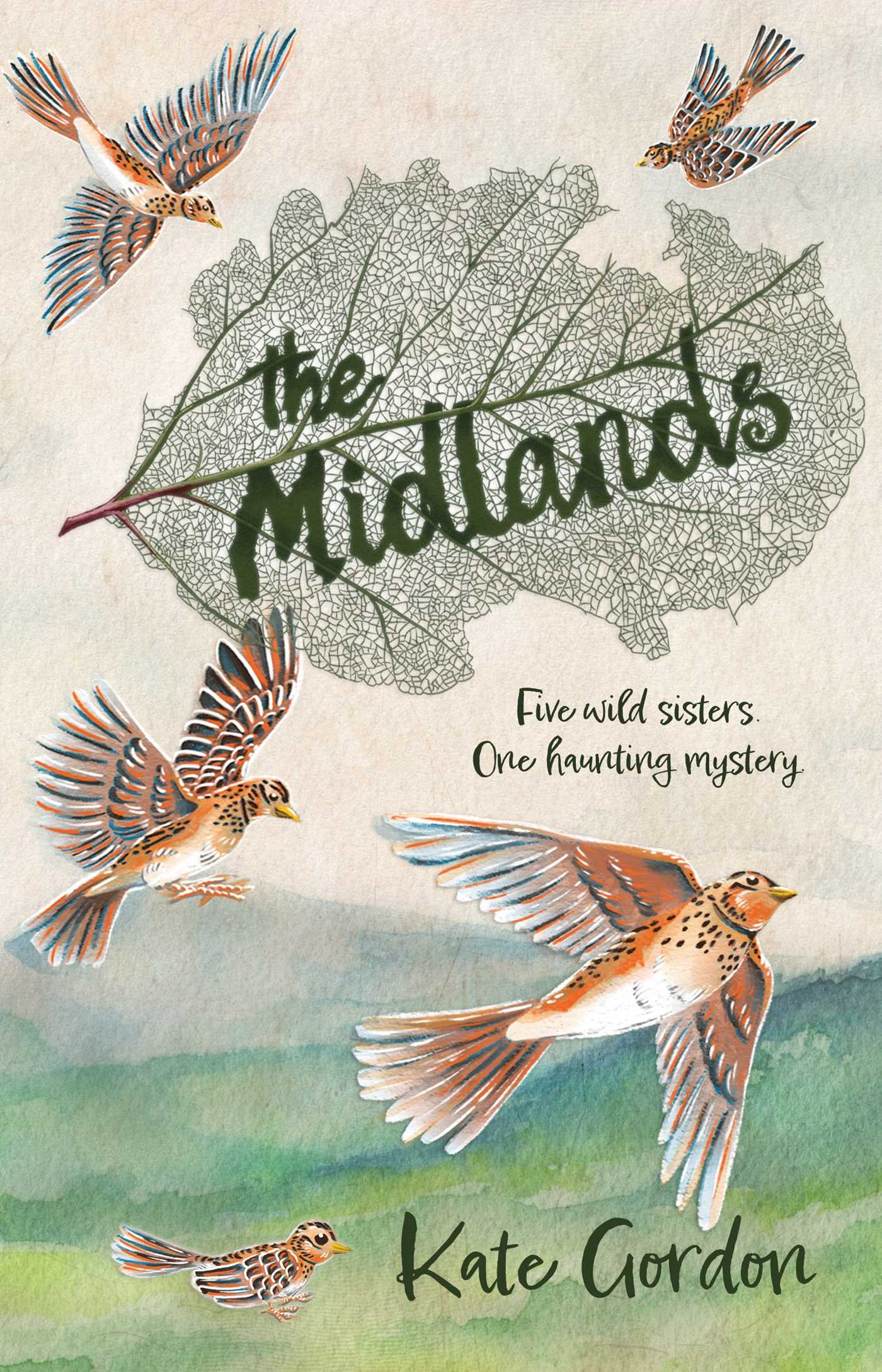
Kate Gordon has certainly forged a following since her first foray into publication. Some of her titles I have reviewed, others I have read but not reviewed but I definitely know which ones have received the positives and enthusiasms. I particularly enjoyed Whalesong. There is a lot to like about this newest one as well.
The wild Whittle sisters, Lark and the others, have gone with their mother to the maternal grandparents’ farm in the Tasmanian midlands. Their father has gone off to the Great War – or has he, Lark wonders?
The characters of the girls are definitely for me the best part of the narrative. Their particular style of anarchy is quite St Trinian’s and so resonates with my own brand of subversion.
While I was slightly bemused by the girls’ names, they certainly marked each sister as individual. I’m not sure how many people would choose Bathsheba for their firstborn, as naming your beautiful baby girl after a biblical adulteress doesn’t usually factor in most people’s shortlist. But biblical and classical names were still popular at the turn of the 20th century, it’s true. I had a great-aunt called Byzantine after all.
Lorna known as Lark is the focal character. Bathsheba is the oldest. Then there’s Esther, again biblical and very fitting for this girl, considered the beauty of the family. The Poppet, diminutive in size, youngest in age (aside from the baby, Alice) but certainly huge in personality makes up the sisterhood.
There is really a great deal to enjoy about this story, but, to be honest, there were a few moments for me, or seeming inconsistencies, with which my suspension of disbelief was not able to compute.
The mysterious and ‘strict’ governess Arielle employed by the mother to impose some order and regulation on the girls she sees as uncontrollable turns out to be an orphan who has apparently brought herself up, fed herself and clothed herself and kept herself hidden away from the whole town for years. I may well have missed something vital but she’s certainly in town looking to be employed by the mother and she definitely nicks stuff from the shop. And no one notices or recognises her? And while glamour girl Esther is surprised by Arielle’s outdated fashions, for someone who has been clothing herself to be able to resurrect anything resembling fashion at all was remarkable.
Then there’s the mother, who really is thoroughly unlikeable and obviously, this is a focal point of the narrative – it still didn’t reconcile me to her. Her complete disregard and disdain of her own daughters is a result of a past tragedy and would probably now be termed PTSD. What I don’t understand is why then would the kind grandmother (not to mention the grandfather who is very much a sideline mention), with her apparently boundless ability to forgive almost any explosion, breakage, damage or temper the girls inflict upon the household, withhold that information instead of actually telling the girls (as she does eventually) so that they might understand the ‘why’. Instead, she enables and condones the mother’s attitude, and while I get that she has her own grief to deal with, that just doesn’t sit with me [and yes I do get the literary reason, that it was to continue tension etc but it just didn’t work for me]. That she would watch her own daughter alienate and abandon her girls more each day, see the results of that, and not provide them with some vital points, just doesn’t cut it. [But that could very easily be me the protective grandmother projecting.]
Anyway, I’m digressing because those are some of the relatively minor things that irritated me and detracted from what is essentially a great narrative with a lively and unpredictable cast.
Lark, like her father is a dreamer and storyteller, and she believes that her father has not abandoned them to go to war because he’s just NOT a soldier-type. She simply cannot fathom any reason for him to do so, especially in ‘abandoning’ the sisters. Like her sisters she is resentful not of being in the Midlands but of her mother’s complete and utter lack of maternal instincts (her attitude swings between complete indifference and intense disapproval).
Bathsheba’s fondness for all things explosive or dangerous is an absolute delight, and I love this emphasis on developing scientific pursuits by women in that Great War period. Esther’s preening paired with her self-belief that she is perfectly entitled to receive all tributes to her beauty and charms is really quite funny. The interplay between the local yokel boys bringing bags of sweets, which she accepts while completely rejecting the lads themselves is fabulous. And The Poppet, who is the most precocious 6 year old I think I’ve encountered in story, is a delightful goblin indeed, when she’s not being a rock or some other interesting incarnation.
It’s a complex plot with such deep themes as trauma-based behaviours, innate personalities and individual gifts, self-loathing, judgemental attitudes and mother-child relationships. For me, the stand-out of the entirety is the sisterhood. Some of us have formed sisterhoods – some of those of necessity as we lacked the blood connection of such – but the ruffian Whittle sisters, despite differences in characters and attitudes, are so truly bonded in one band, or perhaps gang is a better word, that they are able to face down any adversity.
I have no doubt that many readers will love this story, in particular for the eccentricity of the characters, and would very likely be wishing they could replicate the ‘living wild’ in the Midlands for themselves. It’s a 4🌳🌳🌳🌳rating from me for readers from around Year 4 to Year 7/8.


Leave a Reply