

Harper Collins Australia
June 2026
ISBN: 9781836040606
ISBN-10: 1836040601
Series: Usborne Life Skills
Publisher: Usborne
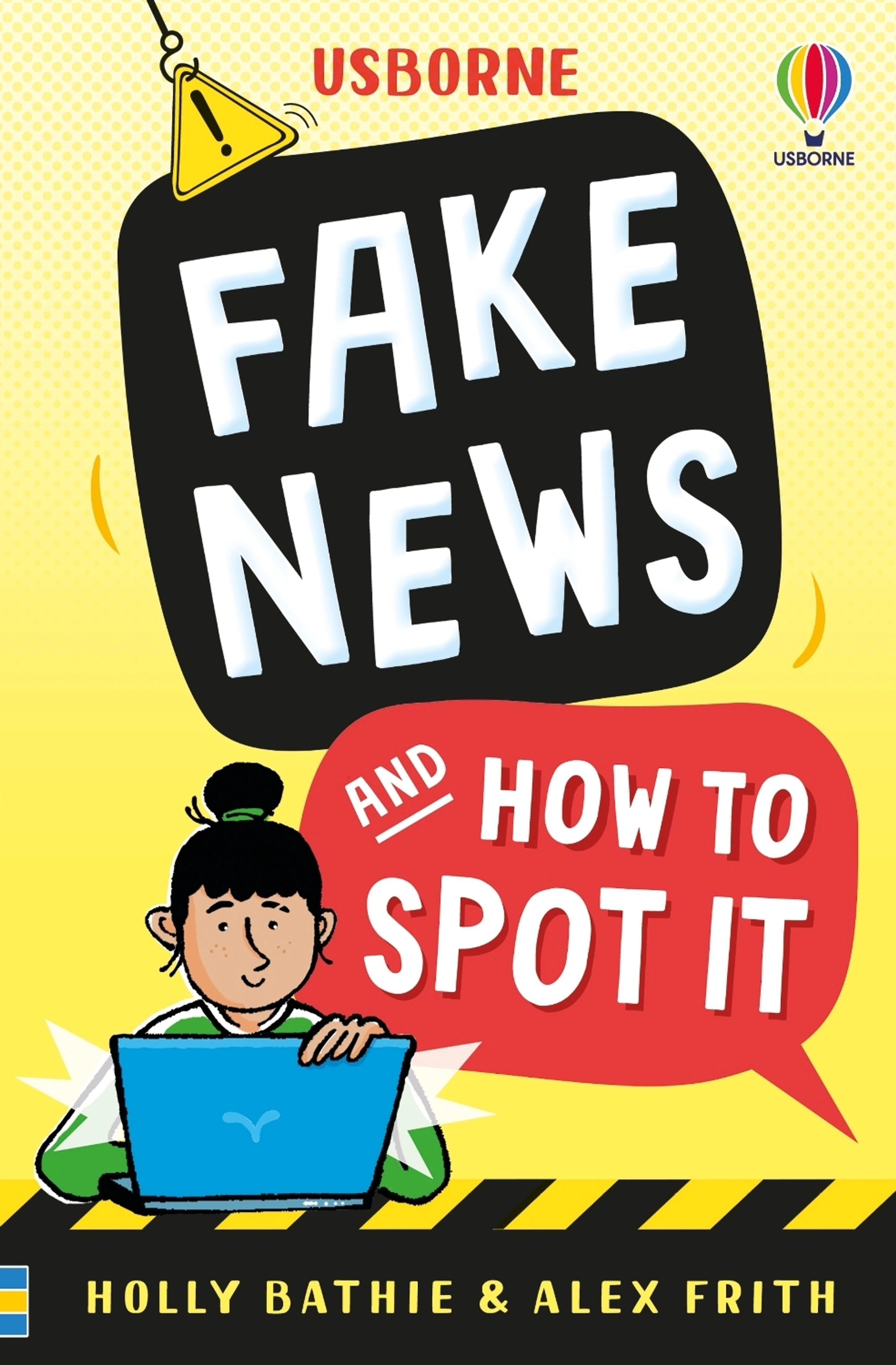
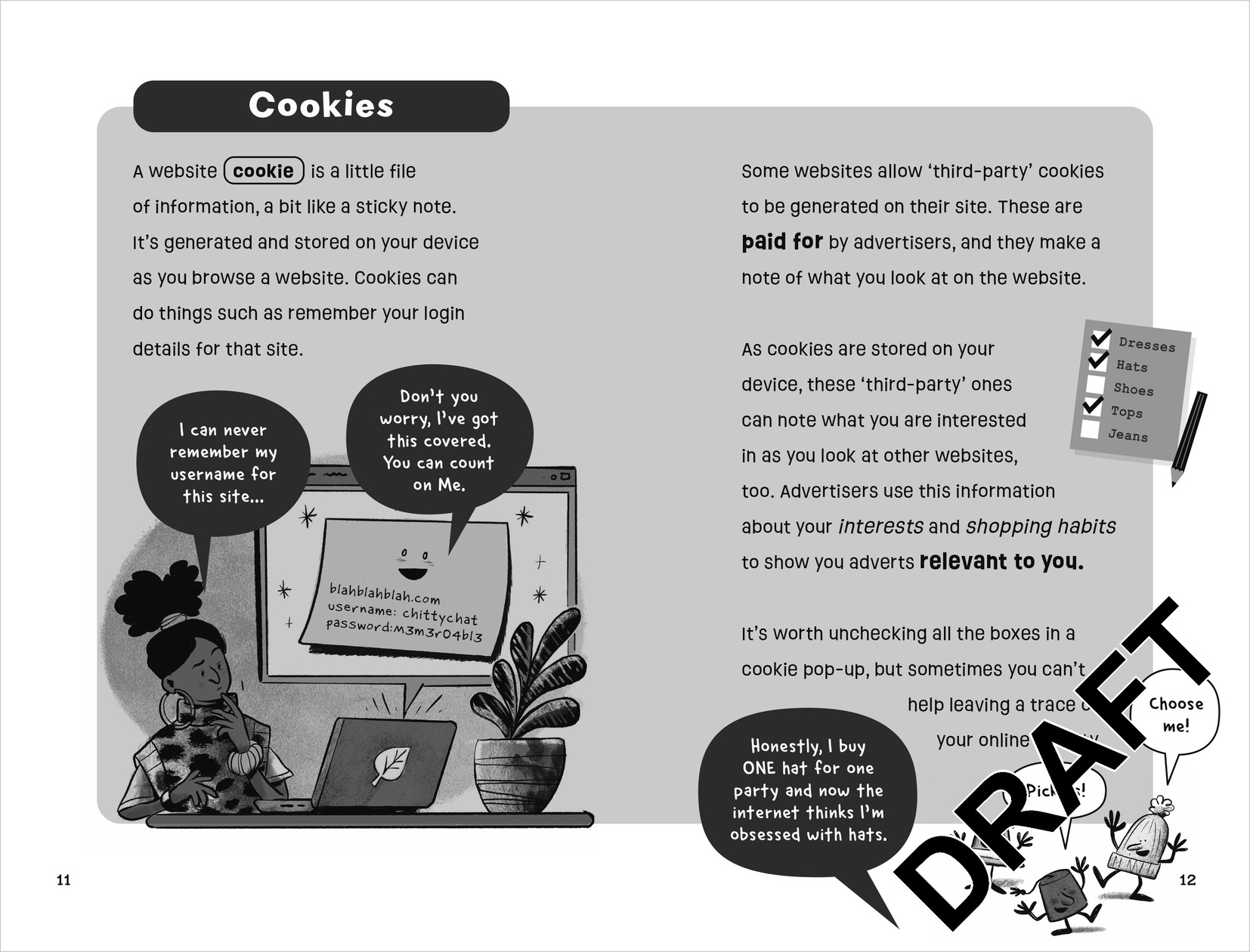
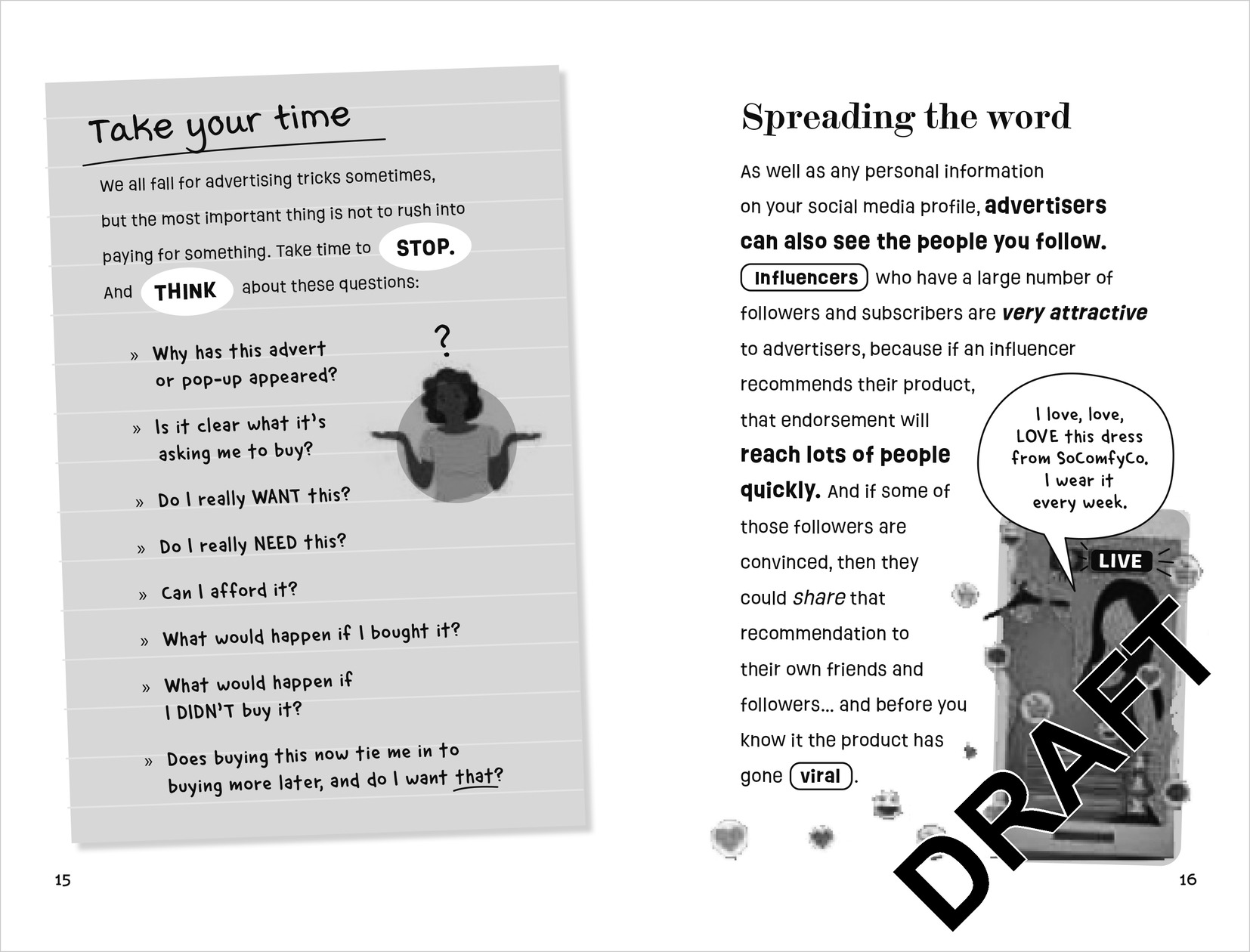
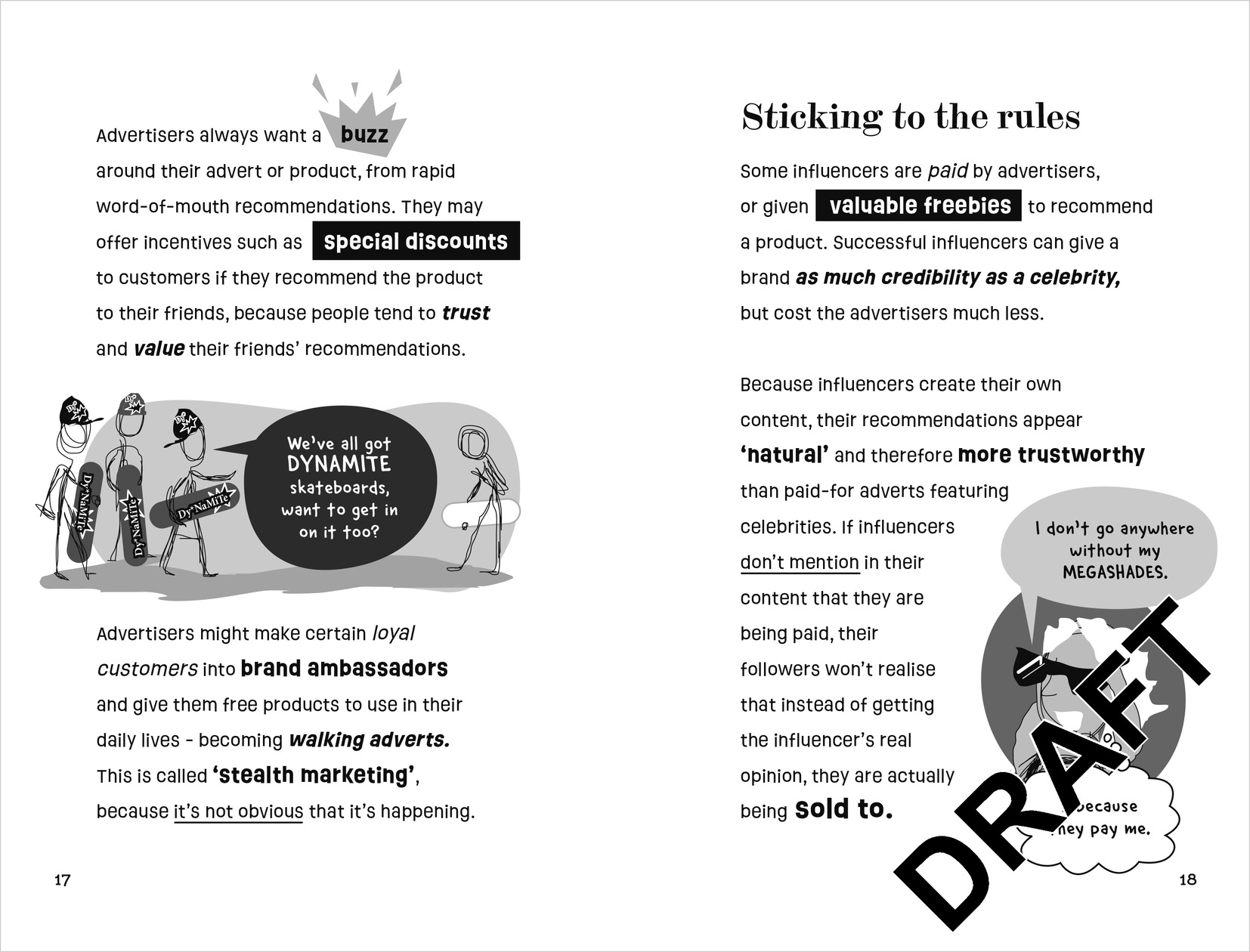
This is a terrific adjunct to any digital literacy program or unit as well as being both interesting and informative for digi-curious kiddos. Of course, I also think that there is a plethora of adults who could well benefit from reading it: from the teacher-librarian, who reckons herself an expert and ahead of the game, who shared a photo of a platypus puggle and ooooh-ed and aaah-ed over it with not the faintest recognition that it was obviously a fake, or the one who thought a news report I shared detailing the guilty verdict of a certain author might not be ‘true’ (oi idiot – it’s court’s verdict that’s the give-away here – not your opinion of the newspaper!) to the increasing number of gullible fools swallowing the bunkum of politicians, oligarchs and media corporations.
In other words, let’s educate our young readers so that they don’t end up like that cohort!
This handy and easy-to-read book covers everything from clickbait to cookies, bias to backstories and everything in between including importantly, news and advertising. It enlightens on the pyschology used to entrap the unwary and the strategies employed to increase appeal. In short, it’s a primer for those who really want to be discerning consumers of information in the ever-increasing tsunami of info-dumping. This is a valuable addition to your digital toolbox and I would not only be pointing kids in its direction but also staff – it’s a 5 📰📢🚨🖥️🌐 rating for readers mid-primary upwards.
A quick guide to spotting misinformation UNICEF
How to spot fake news: tips to teach kids | Parents
How to spot fake news National Geographic Kids
How to talk to your kids about fake news – BBC Bitesize
My long-time favourite was the House Hippo – and its legacy continues as ‘fake’ news/information continues to explode.


Leave a Reply