

Wild Dog Books
July 2026
- ISBN13: 9781742037288
LIST PRICE: AU$ 26.99 / NZ$ 29.99
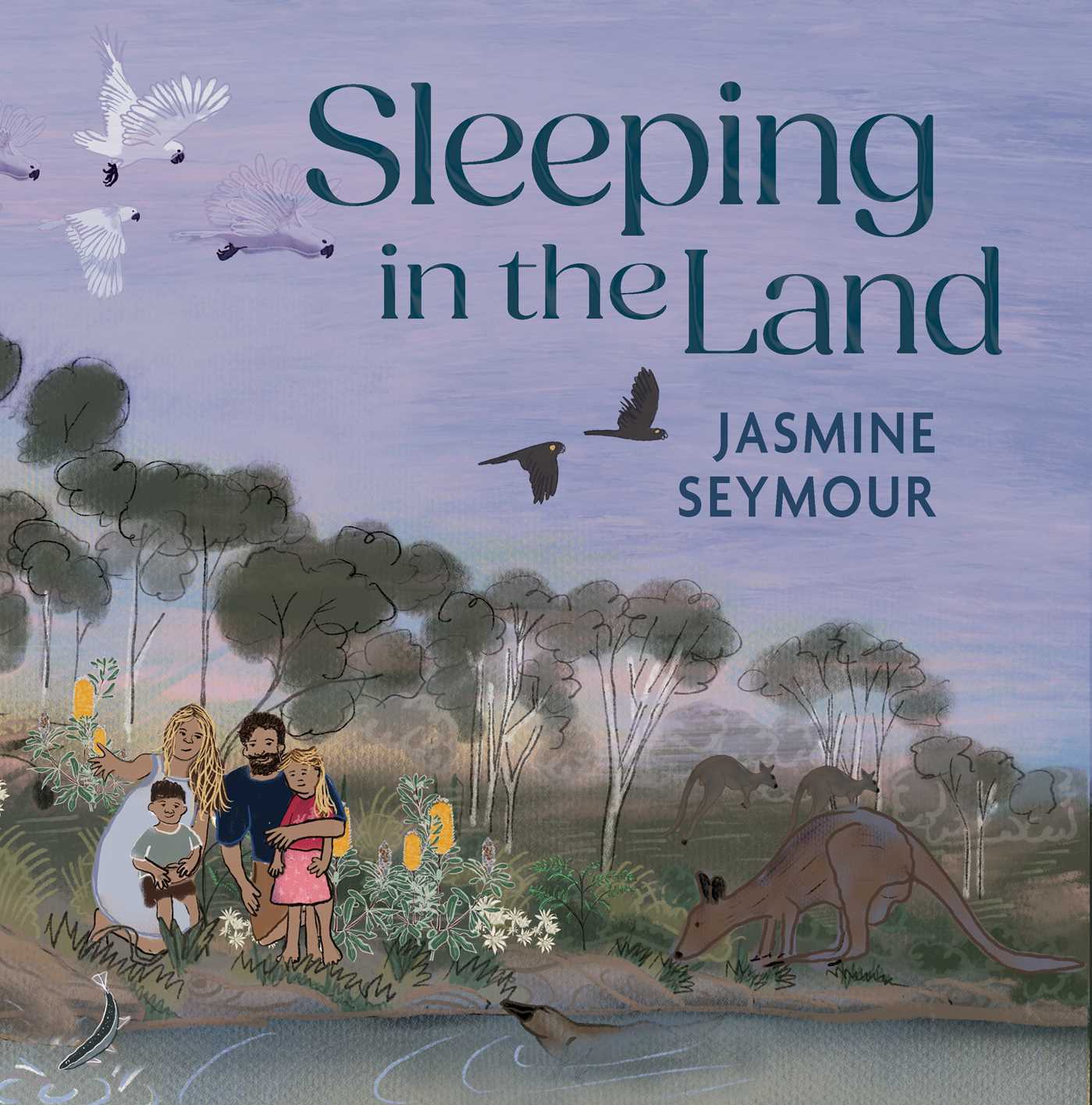
This stunning book was particularly synchronistic as I had not long ago been collating information about the resurgence of our First Nations languages for some resources I was writing, and indeed was doing so again last week [as of writing this review]. Some of you will also have read my recent review of One Word – in which I included some of those informational links.
After the invasion, as also happened in many other colonised countries, the indigenous languages began to die out after time. Sometimes from less usage but more often because they were forbidden.
‘When I was a child we had to keep our language secret. Today we are relearning some of our language – ensuring that we the Ngunnawal are the knowledge keepers of our language.’ — Caroline Hughes, Ngunnawal Elder
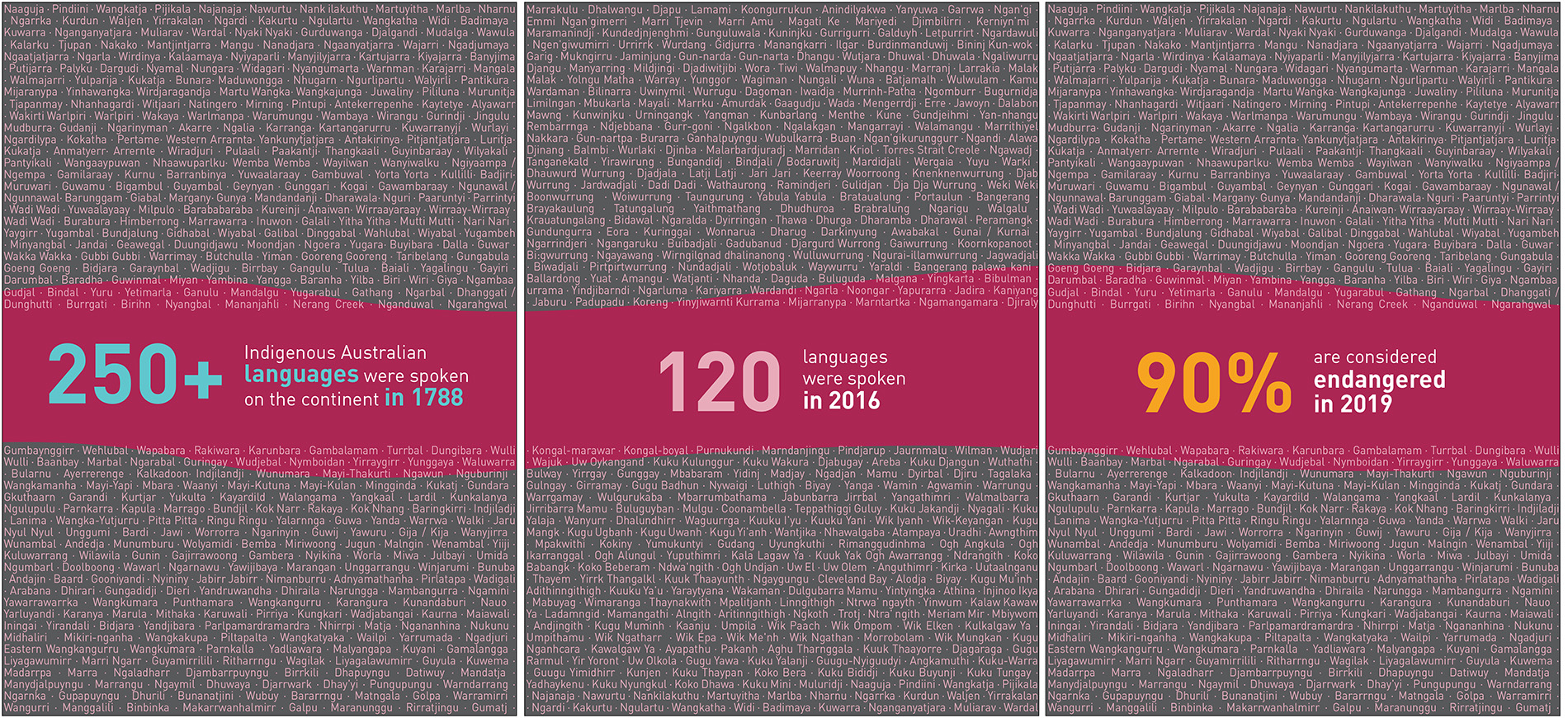
Thankfully in recent years, we have seen a growing resurgence in salvaging the remnants of almost lost languages as well as the determination to share language and keep it alive for future generations.
Language is survival
‘Kaji yimi ngalipa nyangu pirrjirdi karri, ngulaju ngalipaju kapurlipa wankaru nyina Warlpiri patu yapa. Ngalipa nyangu yimingki ka ngalpa pirrjirdi mardani. Kuja juku ka ngalpa pirrjirdi warrarda mardani.‘ — Theresa Napurrurla Ross, Warlpiri
If our language survives, we survive as Warlpiri people. Our language keeping us strong. It’s always kept us strong. Jasmine Seymour has crafted an informational picture book that provides valuable insight into the Dharug-gal and their language. For those who don’t know it, the Dharug nation was in the Country of the region now called Sydney. The traditional land of the Darug Aboriginal people stretches roughly from the coast, north to Wisemans Ferry, west into the Blue Mountains to Hartley, south along both sides of the Nepean River to Appin, and then east approximately along the Georges River to Botany Bay.
Beginning with a non-fiction narrative describing the arrival of the English colonists some of whom made attempts to understand and learn some Dharug language, and some who tried to Englishfy it into a written format, but for the most part, the traditional language was diminishing as European type schooling was introduced with some Aboriginal children being taught and the difficulties (and for some, lack of motivation) for the colonists to converse easily in Dharug making it more convenient to use English.
But the Dharug-gal say the language has been ‘sleeping in the land’ and it has begun to wake up. Although there are no fluent speakers who know all the language, diligent people have scoured old documents and records, collating words that were first written down over 200 years ago. These are now being taught to new generations and the book has many examples scattered throughout.
The back matter is extensive and contains so much useful information with detailed language sounds of vowels, dipthongs and consonants, language meanings and how meaning is expressed differently in Dharug, the connections or similarities between languages spoken across Australia (deep-time relationships. Along with this are pages on the revitalisation project, the learning, a map showing the extent of Dharug language and a glossary.
It’s not just this full and rich text that is magnificent. The illustrations are glorious, full of depth and amply captioned with examples of Dharug language. All in all, it’s an extraordinarily excellent book which will become such a valuable resource for so many – not confined to schools on Dharug country either – but as a hugely important adjunct to your cross-cultural learning throughout.
My prediction is that this will feature highly on forthcoming awards list and IMO is already looking like a very strong contender for a top gong. It’s a must-have for both schools, ELC and homes alike and I easily give it a 5 🪃﹏𓊝﹏𓂁﹏🦘rating for readers from lower primary up.
Learn Dharug Dharug Ngurra SBS
Dharug Learning – Wingaru Education
Dharug and Dharawal Resources – Dharug Dalang – Dictionary
Languages Alive – AITSIS
There are many, many freely available resources including videos for learning more about Dharug country and language, including several from author Jasmine Seymour such as these.


Leave a Reply