

Translated, edited and additional material by John B. Haviland.
New South Books
9781922102904/ August 2021/AUD$24.95, NZD$29.99
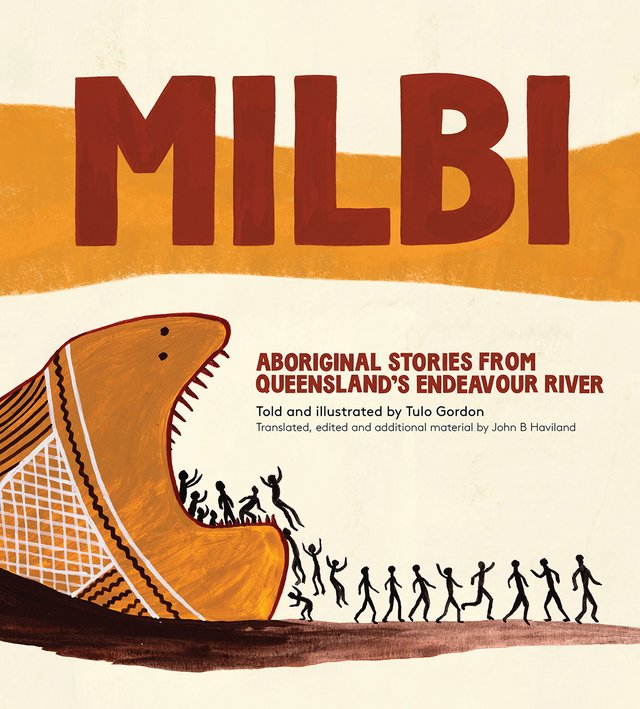
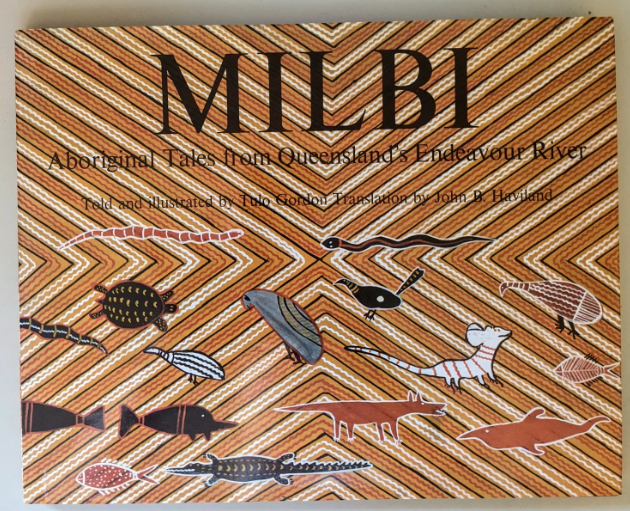
Somehow or other this book had escaped my attention altogether, until I saw it in the Museum of Brisbane bookshop the day The Kid and I did our walking history tour. And now I’m only sorry that it took me so long to find it. What a pearler of a resource this and how important, especially for students in Queensland! and not only that but the very history of the book and its creator is just wonderful. Tulo Gordon was a gifted storyteller and artist who grew up in this country and as he grew older, used his talents to both collect stories and illustrate them.
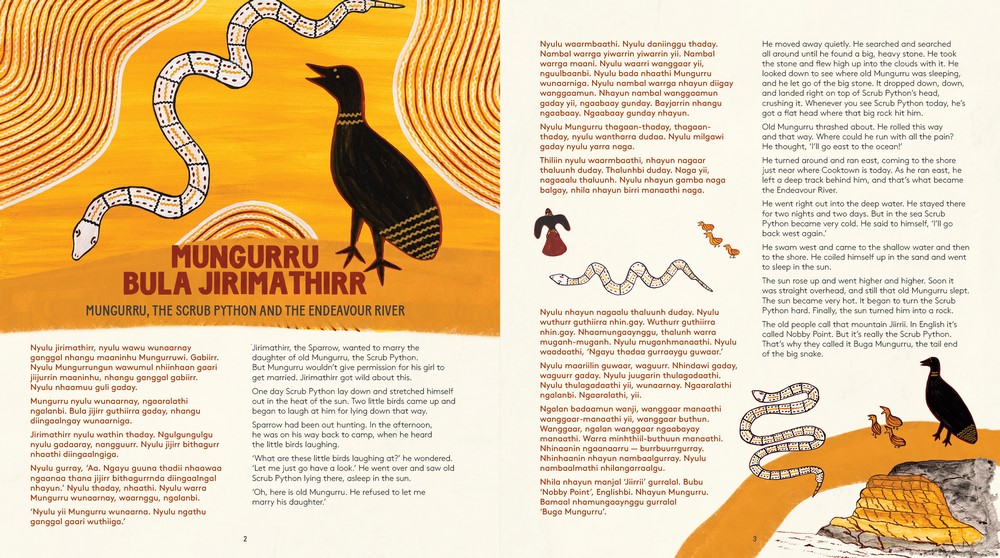
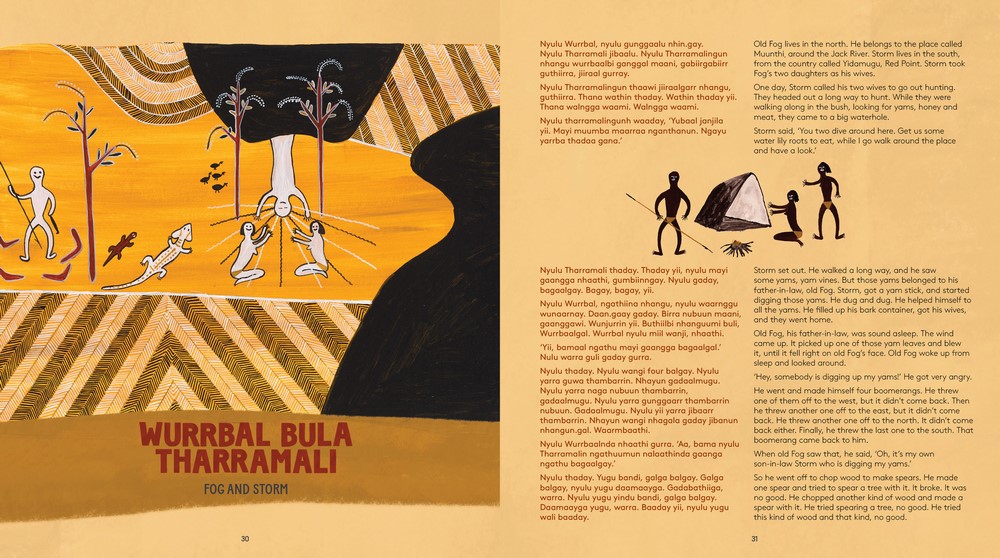
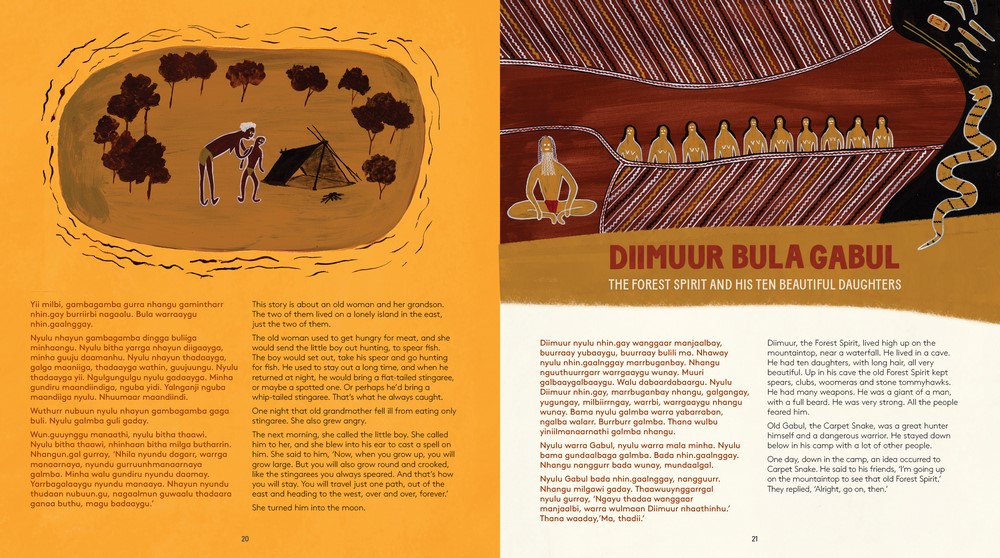
The first edition of this book was published in 1979 and this one in 2021. While the first was a collection of these stories told in English and illustrated, this one goes so much further. The stories are told in both English and Guugu Yimithirr Language side-by-side.
With the inclusion of an illustrated map showing the stories’ place of origin, and extensive back matter in which John Haviland provides the reader with a marvellous outline of Tulo’s life and, some history of the Aboriginal people of Qld in the early 20th century onwards, this goes well beyond the traditional stories sharing a history lesson for readers that they will find both enlightening and impactful.
Many of the stories, as is rightly pointed out, bear similarities across language groups and clans across Australia. As we know already (and another great teaching point for students) many oral tradition stories echo each other even across the world.
Contrary to the whitefella belief that our First Nations peoples had such limited lives, this sharing of stories, like the similarities in words in the many different languages, and traditions, demonstrates that in fact the people travelled, shared, conversed, and traded with other groups using the long-established songlines. Stories like The Giant Dingo and Gujal – How Gujal, the Eagle, got his Wings are just two examples of this. What a lesson it would be to collate and compare the similar stories from different language groups! As we would with traditional tales from various world cultures.
For too long, there have been many people refusing to acknowledge the highly developed culture of our Aboriginal people, preferring to cling to the centuries-old opinion of ‘savages’ living primitive lives. Our First Nations people understood the land and its other inhabitants, they understood how to live in harmony with the land and how to protect it – which is a lot more than can be said for the successive generations of whitefellas and, still, the authorities who refuse to countenance changing their actions to protect country and its inhabitants – witness the threats to Victoria Park in Brisbane, the Glasshouse Mountains and the loss of an entire koala colony in Ormiston. Those are just a few.
This book is important. It is an optimum means to share to readers the importance of country, tradition and the wealth of knowledge that the Aboriginal people have always held. I pay my respects to Tulo Gordon for his work and I admire John Haviland’s skill in updating the original book so that we can share the Language in which Tulo would have gathered and re-told his many stories, as well as providing us with the fascinating insight into Tulo’s life. Unhesitatingly a 5 🪃🪃🪃🪃🪃 rating – it is an absolute must for any collection be it primary, secondary or home.
Save Our Glass House Mountains: Home
Koala found during controversial clearing of trees at …


Leave a Reply