

| Mythological Creatures Publishing, 2026 | |
| ISBN | 1764699769, 9781764699761 |
RRP: A$40 – hardback plus postage
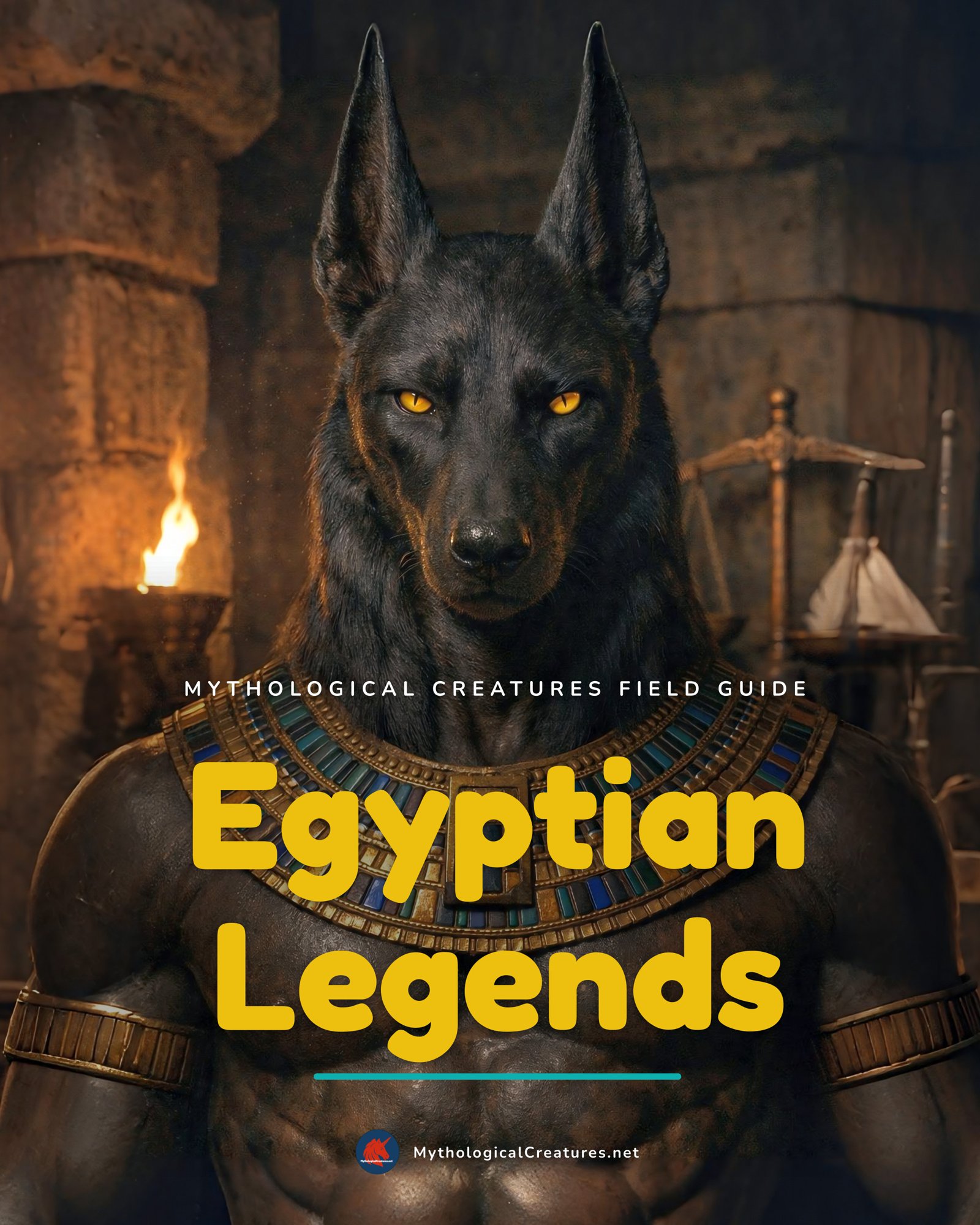
And now for something completely different. This is a new concept in small publishing and while we are quite used to books being movie tie-ins, we are not so used to them being website tie-ins.
You may have seen Mythological Creatures promo on your own local educators social media e.g. Queensland Primary Teachers and the explanation to their background, concept and intent. Personally, I find it refreshing that this is a venture that offers free resources and free interactivity without the ubiquitous sign-up or, indeed, having to pay for the resources.
Aside from the multiplicity of fascinating facts and engaging activities/resources on the website I love the ‘gamified’ presentation style which will (and has already) draw inquisitive and keen youngsters like flies to honey. Some things never change and I know there are equally as many kiddos deeply interested in all things ancient as I was a nerdy child. With the growing interest and success of the webpage came a user-generated response and interest in having hardcopy field guides to link to the website and here we are.
This Egyptian Legends is one of 5 in the series created specifically to augment the material on the website. And I have revelled in it. It is something quite different and innovative and that’s always a pleasure (one does get tired of same-same) and like the website there is a ‘gamification’ aspect to the book which young readers will really go for.
The design layout is terrific and the information, facts, figures, tips etc are all chunked to make reading accessible even for your less able mythologists. I especially like the inclusion of pop culture references, an aspect I often include in my own teaching notes. The entries in the field guide are linked to the website which as you will read is ‘draw[n] from verified folklore and scholarly sources to illuminate the origins, symbolism, and evolving depictions of these timeless entities.‘.
While, as we all know, hardback bindings/publications are most costly it was a wise choice for these as they will be handled time and time again whether by one child owner or many groms in your library or classroom, so I would urge you to not let the price put you off. These will be a hot item in any collection.
Of course, the additional bonus of free resources, posters and suchlike are big plus for any educator whether in a school setting or a home school. The website outlines curriculum links for UK, US as well as Australia. The creators openly acknowledge the artwork is not done by an illustrator and while I wholeheartedly support my many colleagues in writing/illustrating, I am ok with this approach for this book as it is in complete sync with the website and the graphics there, and makes perfect sense when, as Mythological Creatures puts it:
THE ARTWORK
For four thousand years these creatures have existed as words. A description in a scroll, a shape scratched into a pot. Nobody could show you a Kappa as the texts describe it, only as someone once chose to sketch it. We can now.
Each creature was researched from the surviving sources, such as the Shan Hai Jing, the Book of the Dead, Greek vase painting and Toriyama Sekien’s yokai scrolls, and then rendered using AI image generation to match what those sources actually say, rather than the stylised version that came down to us. A Kappa the way it is written, not the way it was drawn.
We did it that way because words are losing the fight for a ten-year-old’s attention. If a photorealistic Ammit is what makes a kid want to know who Ammit was, we think that trade is worth making.
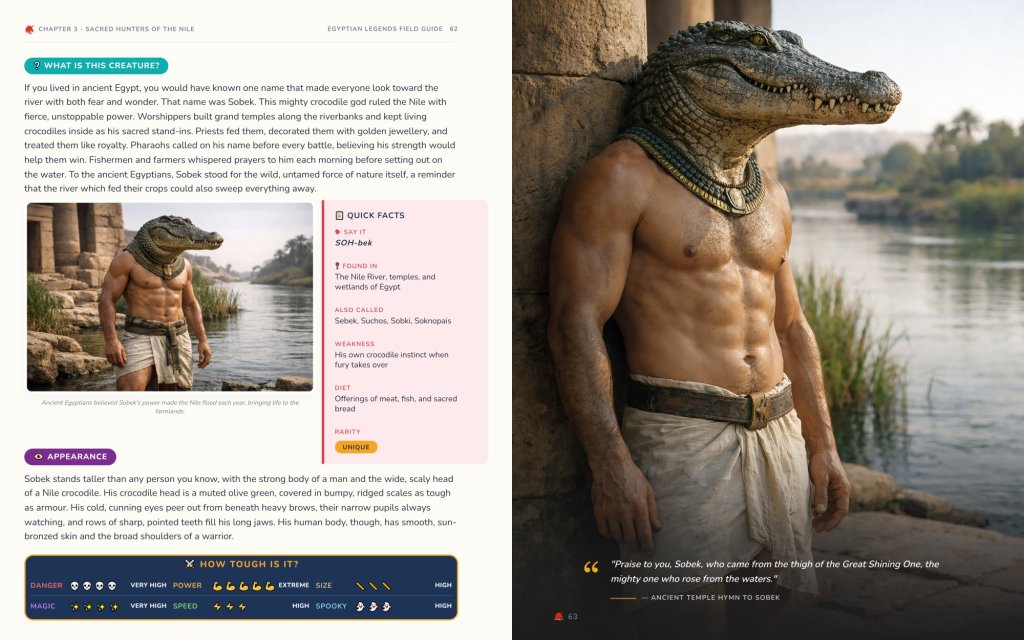
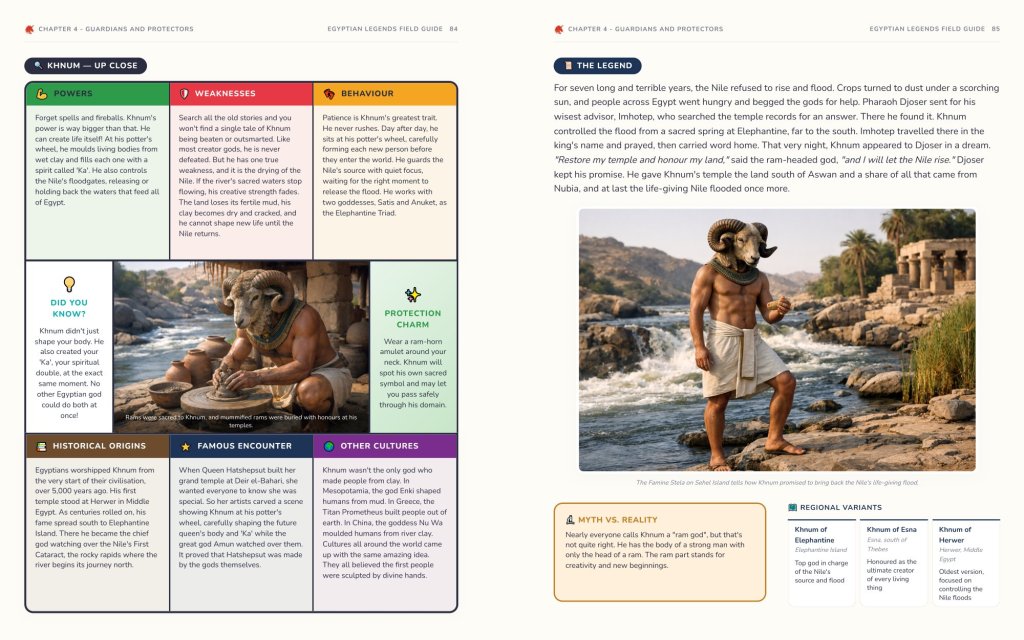
Here are some internals to give you an idea. I think my personal favourite is Bastet [obviously because many of you will be aware of the Demon Spawn aka Whiskers, who could very well be Bastet in a new incarnation] but there are so many more which I had never even heard of! How exciting is that? Learning new and interesting facts is always fun. I have to admit that when I look back at photos from two years ago, I realise just how much I resembled Taweret (look her up!) but happy to say these days far more svelte and fit like Mafdet 😉.
Especially in these last weeks of the year when the set work is done why not dabble into some ancient cultures and create some engaging interest with your readers. Who knows perhaps some of them may find themselves with a lifelong interest in the subject? I’m more than happy to give this, and the series, a 5 📜⌛🏛️🏺rating for keen and budding researchers from about Year 3 upwards.
Why not try it out yourself via the website and judge but I have complete confidence that your kiddos, even the reluctant learners/readers, will enjoy both website and books. Remember when we could hook into the kids’ interests and have them learn at the same time? Those were the fun days.
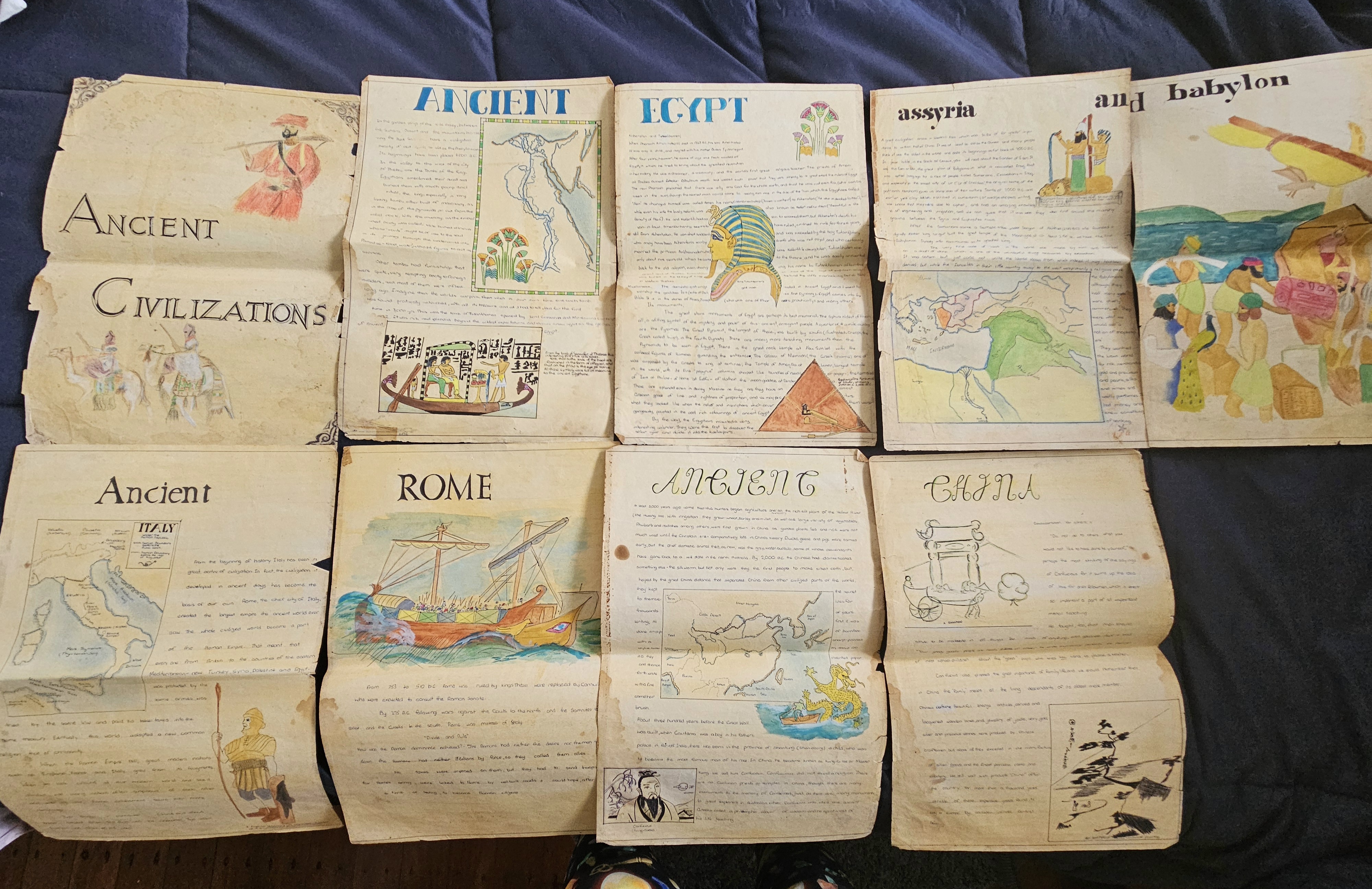
[Fun Fact ; My dream occupation choice as a nerdy child was always either a librarian – funny that! – or an archaeologist and I was wildly excited when my much-loved Mrs d’Alpuget my 5OC/6OC teacher at Hurstville PS, set us a project on ancient civilisations – Ancient Egypt and Rome but then one’s own choice for the rest. I revelled in it and put my heart and soul into my work with the reward of the equivalent of a Pulitzer. Mrs d’Al’s tiny star stamp for each page. One was glory but to have one on every single page of a project was the stuff of legends. And here it is still amost 60 years later]


Leave a Reply